

TL;DR
Depression is increasingly common among Americans, with many experiencing symptoms. Experts stress the importance of understanding, diagnosis, and accessible treatment. The situation underscores ongoing public health challenges.
Recent research indicates that a significant portion of the American population is familiar with depression, either personally or through loved ones. This widespread experience underscores the importance of addressing mental health challenges and expanding access to effective treatment options.
According to recent surveys, nearly one in five Americans has experienced depression at some point, with many reporting ongoing symptoms. Mental health experts note that depression often remains underdiagnosed and undertreated, despite its high prevalence. The COVID-19 pandemic has further amplified awareness and concern about mental health issues, with increased calls for better resources and support systems. Researchers emphasize that depression can affect anyone regardless of age, background, or socioeconomic status, making it a pervasive public health concern.
Studies also highlight that stigma and lack of access to care continue to hinder effective treatment. Many individuals report feeling unable to seek help due to societal stigma or financial barriers. Mental health advocacy groups stress the importance of early diagnosis and intervention, as untreated depression can lead to severe consequences, including increased risk of suicide and diminished quality of life.
Why Widespread Depression Awareness Matters for Public Health
This high level of familiarity with depression among Americans underscores the urgent need for improved mental health services and destigmatization efforts. Untreated depression can lead to significant personal and societal costs, including lost productivity and increased healthcare expenses. Recognizing depression as a common experience highlights the importance of expanding access to mental health care, integrating screenings into routine healthcare, and reducing societal stigma to encourage more individuals to seek help.

Unfuck Your Brain: Getting Over Anxiety, Depression, Anger, Freak-Outs, and Triggers with science
As an affiliate, we earn on qualifying purchases.
As an affiliate, we earn on qualifying purchases.
Depression Prevalence and Public Health Challenges in the U.S.
Data from recent years show that depression affects approximately 20% of Americans at some point in their lives, with current estimates indicating millions are experiencing symptoms today. The COVID-19 pandemic has contributed to a surge in mental health issues, prompting renewed focus on mental health policies and resources. Historically, barriers such as stigma, lack of insurance, and limited mental health providers have hampered effective treatment. Efforts to expand mental health services and increase awareness are ongoing, but challenges remain.
“Depression is now a familiar experience for many Americans, but stigma and access issues still prevent many from seeking help.”
— an anonymous researcher

JUBTIC Mood Tracker Journal, 100-Day Mental Health Journal, Rose Gold
- 100-Day Mood Tracker: Track emotions and experiences daily
- Emotional Outlet: Express feelings to reduce stress
- Self-Care & Wellness: Monitor diet, sleep, and exercise
As an affiliate, we earn on qualifying purchases.
As an affiliate, we earn on qualifying purchases.
Unanswered Questions About Depression Trends and Treatment
It is not yet clear how the prevalence of depression will change in the coming years or how effectively current initiatives will reduce stigma and improve access. Data on long-term outcomes for those untreated or undertreated remain limited, and the impact of new healthcare policies is still unfolding. Researchers continue to study the barriers to care and the most effective intervention strategies.
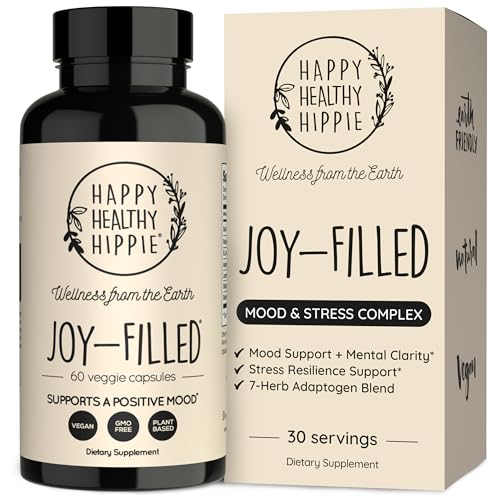
Joy-Filled Mood Support Supplement + St. John's Wort, Plant-Based, 60 Ct
- Mood and Mental Clarity: Supports positive mood and clarity
- Stress Resilience: Contains adaptogens for stress support
- Energy Support: Promotes steady mental and physical energy
As an affiliate, we earn on qualifying purchases.
As an affiliate, we earn on qualifying purchases.
Next Steps for Improving Depression Awareness and Care
Public health officials and advocacy groups are expected to increase efforts to promote mental health awareness, expand screening programs, and improve access to treatment. Policy debates around funding for mental health services and insurance coverage are likely to intensify. Researchers will continue to monitor trends, aiming to develop more effective, accessible interventions and reduce stigma further.

Interpersonal Process in Therapy: An Integrative Model (MindTap Course List)
As an affiliate, we earn on qualifying purchases.
As an affiliate, we earn on qualifying purchases.
Key Questions
How common is depression among Americans?
Approximately 1 in 5 Americans has experienced depression at some point, with many currently experiencing symptoms, according to recent surveys.
What are the main barriers to treatment for depression?
Stigma, financial barriers, and lack of access to mental health providers are among the primary obstacles preventing individuals from seeking help.
Has the COVID-19 pandemic affected depression rates?
Yes, the pandemic has contributed to increased mental health issues, including higher rates of depression and anxiety across various populations.
What can be done to improve mental health support?
Expanding access to mental health services, reducing societal stigma, and integrating screenings into routine healthcare are key steps to better support those affected.
Are there effective treatments for depression?
Yes, evidence-based treatments include psychotherapy, medication, and lifestyle changes, though access and individual response vary.
Source: rss