TL;DR

Get health and wellness essentials delivered free with Prime
- Fast, free delivery on millions of items
- Prime Video, Amazon Music and more included
- Member-only deals all year
Fit&Well published a yoga therapist’s seven-part seated movement sequence for older adults, including people with mobility limits or chronic conditions. The therapist describes the exercises as gentle but potentially energizing; the article does not provide clinical evidence that the routine improves health outcomes.
Fit&Well has published a seven-part chair-based movement sequence recommended by a yoga therapist who works with older adults, including people living with Parkinson’s disease, other movement disorders and chronic health conditions. The routine is designed to be done seated and offers modifications, though the report presents the therapist’s experience rather than evidence from a clinical study.
The therapist says chair-based yoga can suit people who do not have the mobility for floor exercises as well as those who simply feel more comfortable moving from a chair. The reported aims include stretching muscles, mobilizing joints and encouraging a calmer bodily feeling. The therapist says gentle movements can also leave participants feeling more uplifted, but that is a description of their classes, not a measured result for all older adults.
The sequence begins with a minute of settling: sit toward the back of a sturdy chair, place both feet flat on the floor, rest the hands on the lap and allow the breath to find a natural rhythm. It then moves through arm arcs into prayer, seated twists, single and double arm raises, side bends, seated cat-cow movements and forward folds. Most movements are suggested for three to five repetitions, or three repetitions on each side for twists and side bends.
The report advises participants to work within their own range and capacity rather than trying to reach a particular pose. It calls for a sturdy chair and enough surrounding space to raise the arms. For side bends, someone who needs more stability can hold the chair instead of extending the lower arm. During forward folds, the hands can stay on the knees for additional support; looking up at raised hands is optional.
A Seated Option for Gentle Movement
The sequence offers a way to explore movement without getting down to the floor, which may make it relevant to some older adults who prefer a seated routine or have limited mobility. Its instructions also include ways to reduce the range of movement or use the chair for support. Those features may help readers understand how the therapist adapts a class, but they do not establish that every exercise is suitable for every person.
The distinction between a practical exercise suggestion and a proven health intervention matters. Fit&Well’s account does not report trial results, quantify changes in strength or mobility, or show that the sequence prevents or treats a condition. People considering exercise with a chronic condition or movement disorder may want to ask a qualified health professional or appropriately trained instructor about movements suited to their needs.
Products Worth Considering

Levoit Core 400S-P Smart Air Purifier for Large Rooms
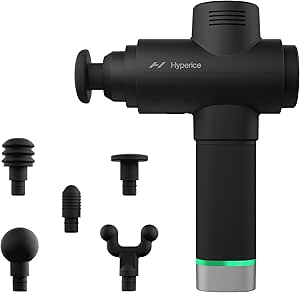
Hyperice Hypervolt 2 Pro Handheld Percussion Massage Gun

Oura Ring 5 Smart Ring, Silver, Size 7
As an affiliate, we earn on qualifying purchases.
How the Seven-Move Sequence Works
The source report frames the routine as a short seated flow rather than a test of flexibility or a set of poses to master. It links each movement to breathing: inhaling as arms rise or the body returns upright, and exhaling during actions such as lowering the arms, turning or folding forward. The opening minute is intended to let participants settle before moving through the exercises.
In order, the movements are grounding, an arm sweep and prayer, torso twists, arm raises, side bends, cat-cow and a forward fold. The therapist’s instructions repeatedly allow choices, including keeping the gaze comfortable, bending only within an accessible range and using the chair for balance. The report does not give a broader weekly exercise plan or specify how often readers should repeat the sequence.
“I encourage everyone to move within the range and capacity of their body—there’s no particular shape or position to achieve.”
— The yoga therapist quoted in Fit&Well
Evidence and Individual Suitability
The report does not identify a clinical study testing this exact sequence, provide data on its effects, or say how many people have tried it. It also does not specify a standard duration for the full flow, a recommended weekly frequency, or screening criteria for participants. The therapist’s account of class experience should not be read as proof that the movements will produce the same effects for everyone.
Individual abilities and health circumstances vary, and the article does not assess readers or determine whether a particular movement is appropriate for them. It is also unclear from the source material whether the routine has been reviewed by a clinician or adapted for specific diagnoses. Readers with concerns about balance, pain, mobility or a health condition can seek guidance from a qualified professional before trying a new routine.
Practical Steps Before Trying It
The source provides no announced follow-up study or next publication milestone. For readers interested in the routine, the immediate steps described are to choose a sturdy chair, leave room to move the arms and use the suggested supports where needed. The therapist’s main instruction is to stay within a comfortable range rather than force a movement or imitate a particular shape.
Whether the sequence is appropriate for a specific person depends on that person’s circumstances; the report does not resolve that question. Readers can discuss exercise options with a qualified health professional or a trained instructor familiar with their needs. Any future evidence about the routine’s effects would need to be reported separately from the therapist’s recommendations and observations.
Key Questions
What exercises are included in the chair sequence?
The seven movements are a seated settling exercise, an arm sweep into prayer, torso twists, single and double arm raises, side bends, seated cat-cow and forward folds. The Fit&Well report gives suggested repetitions for each movement.
What equipment does the routine require?
The report calls for a sturdy chair and enough space around it to raise the arms comfortably. It does not list additional equipment.
Can the movements be modified?
Yes. The report suggests holding the chair for support during side bends and placing the hands on the knees during a forward fold. It also advises moving within an accessible range and treating looking up as optional.
Does the report prove the routine improves health?
No. It reports a yoga therapist’s recommendations and observations from classes, but provides no clinical-trial results or measured health outcomes for this specific sequence.
Should someone with a chronic condition try the sequence?
The report does not determine whether the routine is suitable for any individual condition. Someone with questions about their mobility or health can consult a qualified health professional or an instructor familiar with their needs.
Source: fitandwell.com