
TL;DR

Get health and wellness essentials delivered free with Prime
- Fast, free delivery on millions of items
- Prime Video, Amazon Music and more included
- Member-only deals all year
Studies show that sweating is not a reliable indicator of workout quality or intensity. Experts emphasize that factors like effort and heart rate are better measures. The link between sweating and exercise benefits remains complex and debated.
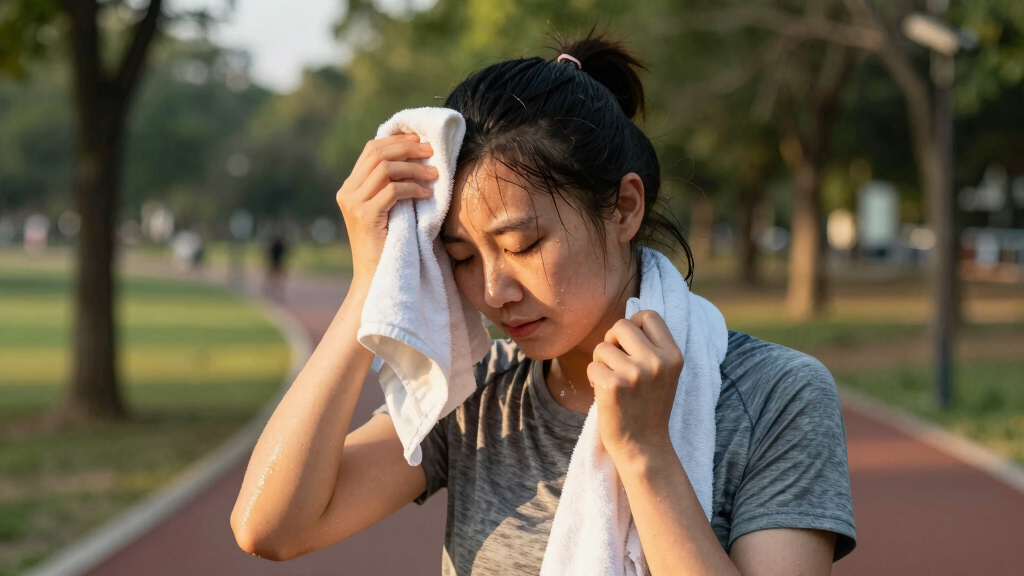
Recent scientific studies and expert opinions confirm that sweating more during exercise does not necessarily mean a more effective workout, challenging a common misconception among fitness enthusiasts.
Multiple recent studies, including a review published in the Journal of Exercise Science, indicate that sweating is primarily a physiological response to temperature regulation rather than a direct measure of workout intensity or effectiveness. Experts like Dr. Lisa Chen, a sports physiologist, state that factors such as heart rate, perceived exertion, and caloric burn are more accurate indicators of workout quality. While sweating can be associated with higher effort in some cases, it varies significantly based on individual physiology, environmental conditions, and hydration levels. The idea that sweating more equates to better fitness outcomes is thus considered a myth by many specialists.
Some fitness programs and trainers continue to promote sweating as a sign of a good workout, but recent evidence suggests this is misleading. The American Council on Exercise (ACE) emphasizes that workout effectiveness should be assessed through measurable metrics like heart rate zones and calorie expenditure rather than sweat levels. The debate remains active, with ongoing research exploring how different factors influence sweating and exercise outcomes.
Why It Matters
Understanding that sweating is not a reliable marker of workout effectiveness is important for fitness consumers and trainers. It can prevent overemphasis on sweating as a goal, encouraging more accurate measures of progress and effort. This shift could influence workout design, motivation strategies, and health assessments, especially in climates or environments where sweating is more pronounced. Recognizing the distinction helps promote healthier, more effective exercise habits and reduces misconceptions that may lead to overexertion or dehydration.
As an affiliate, we earn on qualifying purchases.
Background
For decades, sweating has been viewed as a sign of a hard workout and physical effort. Popular fitness culture often equates sweating with burning calories or building muscle. However, recent scientific reviews and expert analyses challenge this view, emphasizing that sweating is primarily a thermoregulatory response. Previous studies have shown that individuals can sweat heavily without exerting significant effort, and vice versa. This evolving understanding aligns with broader efforts to refine fitness metrics and promote evidence-based training practices.
“Sweating is a response to body temperature regulation, not a direct indicator of workout intensity or effectiveness.”
— Dr. Lisa Chen, sports physiologist
“Workout success should be measured by heart rate zones and calorie burn, not by how much you sweat.”
— American Council on Exercise (ACE)
As an affiliate, we earn on qualifying purchases.
What Remains Unclear
It remains unclear how individual differences in physiology and environment influence the relationship between sweating and exercise outcomes. Ongoing research is exploring whether specific conditions or populations may experience different correlations, but definitive conclusions are still pending.
wearable fitness device with effort measurement
As an affiliate, we earn on qualifying purchases.
As an affiliate, we earn on qualifying purchases.
What’s Next
Researchers plan to conduct further studies to better understand the complex relationship between sweating, effort, and fitness benefits. Fitness professionals are encouraged to update their assessment methods, focusing on measurable effort indicators rather than sweat levels. Public health messages may also evolve to correct misconceptions about sweating and exercise effectiveness.
exercise performance measurement tools
As an affiliate, we earn on qualifying purchases.
As an affiliate, we earn on qualifying purchases.
Key Questions
Does sweating more mean I am burning more calories?
Not necessarily. While increased effort can lead to more sweating, it does not directly correlate with calorie burn. Heart rate and perceived exertion are better indicators of calorie expenditure.
Should I aim to sweat more to get a better workout?
No. Focusing on effort, intensity, and duration is more effective than trying to sweat more. Proper hydration and listening to your body are also important.
Can environmental conditions affect how much I sweat during exercise?
Yes. Temperature, humidity, and clothing can influence sweating levels without reflecting workout quality. This variability further disconnects sweating from workout effectiveness.
Is sweating a sign of dehydration or overexertion?
Sweating can lead to dehydration if fluids are not replenished. It can also indicate overexertion, especially in hot environments. Monitoring effort and hydration is essential.
What are better ways to measure workout effectiveness?
Using heart rate monitors, tracking perceived exertion, and calculating calories burned are more reliable methods than relying on sweat levels.
Cold & flu season Picks
humidifiers
As an affiliate, we earn on qualifying purchases.