
TL;DR

Get health and wellness essentials delivered free with Prime
- Fast, free delivery on millions of items
- Prime Video, Amazon Music and more included
- Member-only deals all year
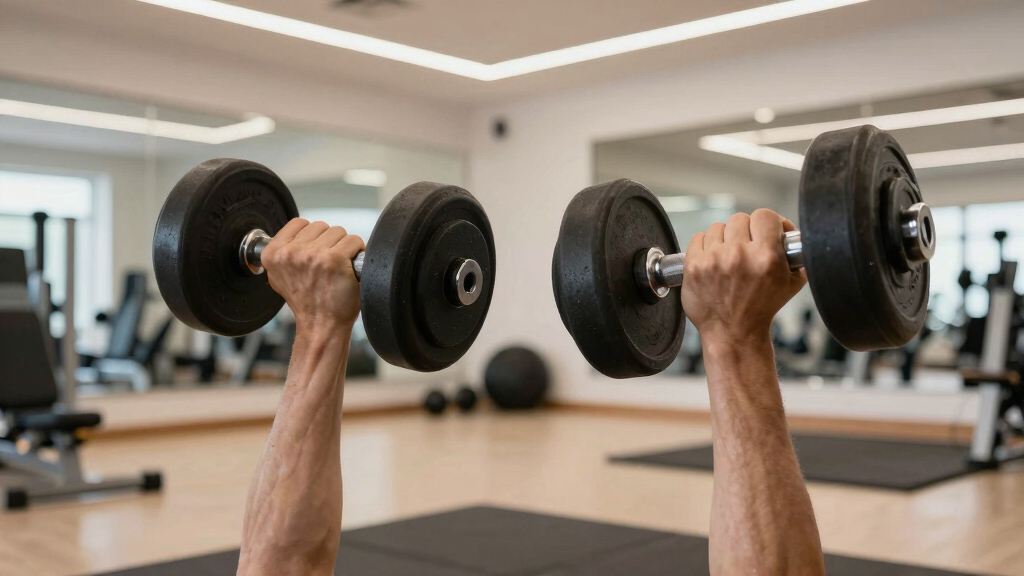
A large-scale study indicates that consistent weight training for 90 minutes to two hours weekly can lower the risk of premature death by up to 13%. Combining strength and aerobic exercises yields even greater benefits. The findings suggest strength training is a vital component of healthy aging.
New research confirms that engaging in 90 minutes to two hours of weight training per week can lower the risk of premature death by up to 13%, highlighting the importance of strength-based exercise for long-term health.
The study analyzed data from three long-term studies involving 147,374 men and women over a 30-year period. Participants who regularly performed weight training within the specified timeframe showed a 13% reduction in all-cause mortality risk. The risk of death from cardiovascular disease decreased by 19%, and from neurological diseases like dementia, the reduction was 27%. The research also found that individuals combining high levels of aerobic and strength training experienced up to a 58% decrease in early death risk.
Experts note that doing more than two hours of strength training weekly did not significantly increase benefits, suggesting a threshold for optimal gains. The findings support the idea that resistance training can help prevent or delay health issues associated with aging, such as heart disease, stroke, and neurological decline.
Why It Matters
This research underscores the importance of including strength training in regular physical activity routines, especially for aging populations. It offers evidence that weight training can contribute to longer, healthier lives and may reduce pressure on healthcare systems by preventing chronic diseases. For individuals, it highlights a practical way to improve health outcomes through manageable exercise routines.
As an affiliate, we earn on qualifying purchases.
Background
While the benefits of aerobic exercise like running, cycling, and swimming are well established, the role of resistance or weight training in reducing mortality risk has been less clear. Previous studies suggested health benefits but lacked definitive links to longevity. This new research consolidates evidence over three decades, emphasizing strength training’s role in healthy aging.
“Strength-based physical activity is a powerful tool, particularly in support of healthy ageing – helping prevent or delay poor health, keeping us mobile and independent.”
— Tom Burton, Sport England
“Strength training helps improve joint pain, energy levels, blood sugar management, and even cognitive function, making people feel more vibrant and energetic.”
— Beverly Wilson, personal trainer
resistance bands for strength training
As an affiliate, we earn on qualifying purchases.
As an affiliate, we earn on qualifying purchases.
What Remains Unclear
It is still unclear whether there is an upper limit to the benefits of strength training beyond two hours per week, as the study found no additional gains with more than that. The long-term effects of different types of resistance exercises and how they interact with other lifestyle factors also remain under investigation.
As an affiliate, we earn on qualifying purchases.
What’s Next
Researchers plan to explore the optimal types and intensities of strength training for various age groups and health conditions. Public health agencies may consider updating guidelines to emphasize resistance training as a core component of physical activity recommendations.
As an affiliate, we earn on qualifying purchases.
Key Questions
Does lifting weights really help you live longer?
Yes, according to recent research, regular weight training for 90 minutes to two hours weekly can reduce the risk of early death by up to 13%, especially when combined with aerobic exercise.
Can more than two hours of weight training each week provide extra benefits?
The study suggests that doing more than two hours per week does not significantly increase health benefits, indicating a threshold for optimal gains.
What specific health risks does weight training help prevent?
It helps reduce risks associated with heart disease, stroke, and neurological diseases like dementia, contributing to overall longevity and healthy aging.
Is strength training better than aerobic exercise for longevity?
Both are beneficial; the most significant reductions in mortality risk are observed when combining high levels of aerobic and strength training.
Should I start weight training if I have existing health issues?
Individuals with health concerns should consult healthcare professionals before beginning new exercise routines, but resistance training can be adapted to many health conditions under supervision.
Source: BBC Health
Fall Picks
fall essentials
As an affiliate, we earn on qualifying purchases.