
TL;DR

Get health and wellness essentials delivered free — and shop member deals
- Fast, free delivery on millions of items
- Access to Prime Big Deal Days deals on October 6–7
- Prime Video, Amazon Music and more included
Scientists have created a bioengineered chewing gum designed to combat HPV and other microbes. This innovation could provide a new, non-invasive method for infection prevention. The development is in early stages, with further testing needed.
Scientists have announced the creation of a bioengineered chewing gum that can potentially help fight human papillomavirus (HPV) and other microbes. This innovation, still in experimental stages, aims to offer a non-invasive, accessible method for reducing infection risk, especially in populations with limited access to vaccines or healthcare. The development is significant because it introduces a new approach to microbial prevention outside traditional vaccines or medications.
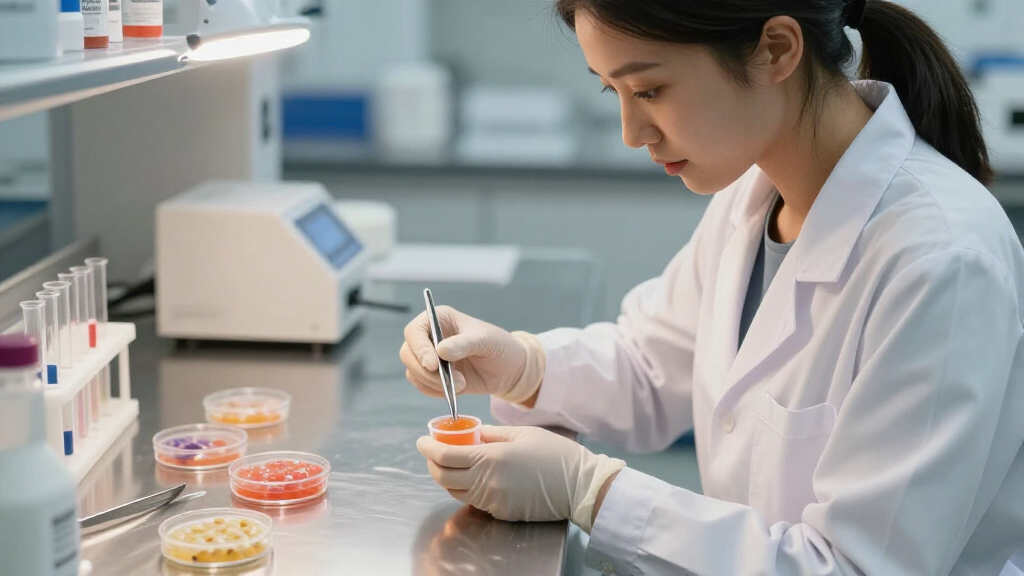
The bioengineered gum is designed to release antimicrobial agents directly in the mouth, targeting HPV and other pathogens. According to the research team at a biotech lab, laboratory tests have shown promising results in reducing microbial presence in simulated oral environments. The gum incorporates genetically engineered enzymes and antimicrobial peptides that can neutralize or inhibit the growth of specific viruses and bacteria.
While the project is still in the experimental phase, initial data suggests the gum could be safe for human use, pending further clinical trials. The researchers emphasized that the bioengineering process involves modifying natural compounds to enhance their antimicrobial properties while maintaining safety standards. The team expects to begin early human trials within the next year, contingent on regulatory approval.
Potential Impact on Disease Prevention Strategies
This development could revolutionize how microbial infections, particularly HPV, are prevented. Unlike vaccines, which require administration and multiple doses, a bioengineered chewing gum could provide a convenient, over-the-counter option for reducing infection risk, especially in regions with limited healthcare infrastructure. If proven effective in humans, this approach might complement existing prevention methods, potentially lowering the incidence of HPV-related cancers and other microbe-associated diseases.
antimicrobial chewing gum for oral health
As an affiliate, we earn on qualifying purchases.
As an affiliate, we earn on qualifying purchases.
Advances in Bioengineering for Infectious Disease Control
Recent years have seen increasing interest in bioengineering solutions for infectious diseases, including vaccines, topical treatments, and now, oral delivery systems like chewing gum. Previous research has explored antimicrobial mouthwashes and lozenges, but a sustained-release gum that targets viruses like HPV represents a novel approach. The concept builds on ongoing efforts to develop non-invasive, easy-to-use prevention tools, especially for sexually transmitted infections and oral pathogens.
Early-stage studies in 2022 and 2023 demonstrated the feasibility of engineering enzymes and peptides capable of neutralizing HPV and other microbes in laboratory settings. The current development marks a step toward translating these findings into a practical, consumer-friendly product.
As an affiliate, we earn on qualifying purchases.
Uncertainties About Effectiveness and Safety in Humans
It remains unclear how effective the bioengineered gum will be in real-world human use, as most results so far are from laboratory simulations. The safety profile, optimal dosage, and long-term effects are still under investigation. Regulatory approval processes and clinical trial outcomes are yet to be determined, meaning the product is not yet available for public use.
As an affiliate, we earn on qualifying purchases.
Next Steps in Testing and Regulatory Approval
The research team plans to initiate early-phase human clinical trials within the next 12 months to assess safety and efficacy. Concurrently, they will seek regulatory approval from health authorities to proceed with larger-scale studies. If successful, the gum could reach the market within several years, pending regulatory and manufacturing processes.
As an affiliate, we earn on qualifying purchases.
Key Questions
How does the bioengineered gum work to fight microbes?
The gum releases genetically engineered enzymes and antimicrobial peptides that can neutralize or inhibit the growth of HPV and other pathogens in the mouth.
Is this a replacement for HPV vaccination?
No. The gum is intended as a supplementary prevention method and is not yet proven to replace vaccines. Vaccination remains the most effective way to prevent HPV-related diseases.
When might this product be available to consumers?
If clinical trials are successful and regulatory approval is obtained, the product could become available in a few years, likely around the late 2020s.
Are there any safety concerns with the bioengineered gum?
Safety assessments are ongoing. Current laboratory data indicate the compounds are safe for use, but human safety trials are necessary to confirm this.
Could this gum help reduce HPV transmission globally?
Potentially, yes. If proven effective and accessible, it could become a useful tool in global health efforts, especially in areas with low vaccination rates or limited healthcare infrastructure.
Source: hn
Fall Picks
fall essentials
As an affiliate, we earn on qualifying purchases.