
TL;DR
Recent research indicates that many common supplements, including multivitamins, creatine, collagen, and vitamin D, offer limited or marginal health benefits for most people. Experts recommend prioritizing a nutritious diet over supplementation unless specific deficiencies exist.
Recent studies and expert analyses indicate that many widely used dietary supplements, including multivitamins, creatine, collagen, and vitamin D, offer limited benefits for most people. While some supplements may be beneficial in specific circumstances, the evidence suggests that for the average consumer, spending money on these products may not yield significant health improvements.
Multiple large-scale trials and reviews, including those cited by Guardian Life, show that multivitamins generally provide only marginal benefits, such as a tiny memory improvement in older adults, with little impact on mood, immune health, or overall wellbeing for those meeting their nutritional needs through food. Creatine, often promoted for athletic performance, offers modest gains when combined with training but is not a substitute for proper diet and recovery.
Similarly, collagen supplements may improve skin hydration and elasticity in specific groups, like women in their 40s and 50s, but should not replace a diet rich in protein and vitamin C, which are essential for tissue repair. Vitamin D supplementation is recommended during winter months in regions like the UK, especially for at-risk groups, but excess intake can be harmful. Magnesium supplements tend to benefit those with low dietary intake, but most people can meet their needs through diet alone. Electrolyte supplements are generally unnecessary unless engaging in prolonged heavy sweating or illness, as the body regulates mineral balance effectively through food and water.
Experts emphasize that the best health returns come from consuming a balanced diet rich in fruits, vegetables, whole grains, nuts, seeds, dairy, and protein sources, rather than relying on supplements for general health.
Why Most Supplements Are Not Cost-Effective for General Health
This analysis underscores that many consumers may be wasting money on supplements that offer little to no proven benefit, especially when their nutritional needs are already met through diet. It highlights the importance of focusing on food-based nutrition for better health outcomes and urges caution in supplement use without medical advice.

Amazon Basics Adult Multivitamin Gummies, Mixed Berry & Cherry Flavors, 150 Count, 75-Day Supply, Pack of 1 (Previously Solimo)
- Flavor Variety: Mixed berry and cherry flavors
- Storage Note: Avoid heat and sunlight exposure
- Gummy Type: Soft pectin-based multivitamin gummies
As an affiliate, we earn on qualifying purchases.
As an affiliate, we earn on qualifying purchases.
Limited Evidence Supporting Routine Supplement Use
Over recent years, supplement sales have surged globally, driven by marketing claims and health trends. However, scientific reviews, including those summarized by Guardian Life, indicate that for most people, supplements like multivitamins, creatine, collagen, and vitamin D provide only marginal or situational benefits. The trend persists despite a lack of strong evidence for widespread efficacy, particularly among individuals with adequate diets.
Research continues to evolve, and some groups—such as pregnant women, older adults, or those with specific deficiencies—may still benefit from targeted supplementation under medical guidance. Nonetheless, general use by healthy individuals remains questionable based on current evidence.
“For most people, a balanced diet provides all the nutrients they need. Supplements are often unnecessary and can be a waste of money if you’re already eating well.”
— Dr. Jane Smith, Nutrition Scientist
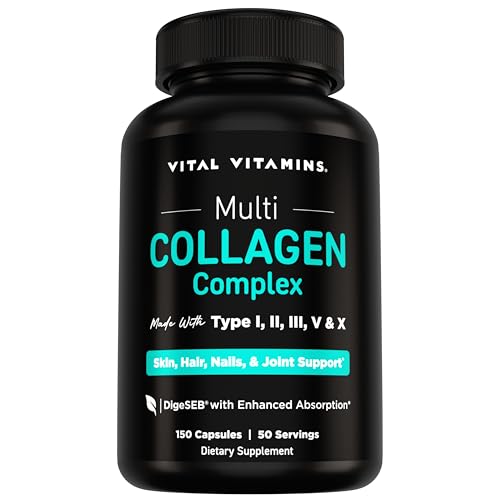
Vital Vitamins Multi Collagen Peptides Complex for Women & Men, 150 Pills
- Complete Collagen Blend: Includes Types I, II, III, V, X
- Multi-Source Hydrolyzed Peptides: Bovine, marine, chicken, eggshell
- Supports Skin, Hair, Nails: Enhances appearance and health
As an affiliate, we earn on qualifying purchases.
As an affiliate, we earn on qualifying purchases.
What Research Still Needs to Confirm
It remains unclear whether certain subgroups might benefit more significantly from specific supplements, and ongoing studies continue to evaluate long-term effects. The full scope of potential benefits or harms of widespread supplement use has not yet been definitively established, and individual responses can vary.

Nature Made Vitamin D3 1000 IU (25 mcg), 300 Vitamin D Softgels
- Product Quantity: 300 Softgels for 300-day supply
- Health Support: Supports immune, muscle, teeth, and bone health
- Vitamin D Content: Contains 1000 IU (25 mcg) Vitamin D3
As an affiliate, we earn on qualifying purchases.
As an affiliate, we earn on qualifying purchases.
Future Directions in Supplement Research and Guidelines
Researchers plan to further investigate the efficacy of various supplements through large-scale, long-term trials. Health authorities may update guidelines based on emerging evidence, potentially leading to more targeted recommendations and better consumer education about when supplements are truly beneficial.

Nature's Bounty Magnesium 500 mg Tablets, High Potency Magnesium Supplement for Bone & Muscle Health, Whole Body Support, 200 Count (Pack of 1)
- Supports Bone and Muscle Health: Helps maintain bone mineralization and strength
- Easy to Swallow Coating: Convenient coated tablets for easy ingestion
- High Potency Formula: Provides 119% of daily magnesium needs
As an affiliate, we earn on qualifying purchases.
As an affiliate, we earn on qualifying purchases.
Key Questions
Are multivitamins worth taking if I eat a balanced diet?
Most evidence suggests that if you maintain a balanced diet, multivitamins provide little additional benefit and may not be worth the expense.
Can supplements help improve athletic performance?
Some supplements like creatine may offer modest improvements when combined with proper training, but they are not substitutes for good nutrition and recovery strategies.
Should I take vitamin D supplements during winter?
Yes, especially in regions like the UK, supplementing with vitamin D during autumn and winter is recommended for bone health and to compensate for limited sunlight exposure.
Is collagen supplementation effective for skin health?
It may offer small benefits for skin hydration and elasticity in specific groups, but it should complement a diet rich in protein and vitamin C rather than replace it.
What are the risks of taking too many supplements?
Excessive intake of some supplements, particularly fat-soluble vitamins like D, can cause toxicity. Always consult a healthcare professional before starting new supplements.
Source: Guardian Life