
Smartwatches can estimate REM sleep with reasonable accuracy, but they don’t detect it as precisely as clinical sleep studies. They use sensors to track movement and heart rate, analyzing patterns over time. Keep in mind, individual sleep cycles vary, and device accuracy isn’t perfect. While they’re useful for tracking trends, they shouldn’t replace professional assessments. If you want to understand the limitations and what to expect, there’s more to explore below.
Key Takeaways
- Smartwatches can identify REM sleep using movement and heart rate data, but their accuracy is limited compared to clinical methods.
- Detection accuracy varies based on device quality, placement, and individual sleep patterns.
- They provide a general overview of sleep stages, not precise or detailed sleep cycle data.
- External factors like minimal movement or low heart rate fluctuations can hinder accurate REM detection.
- Overall, smartwatches offer reasonable estimates for tracking sleep trends rather than exact REM sleep measurement.
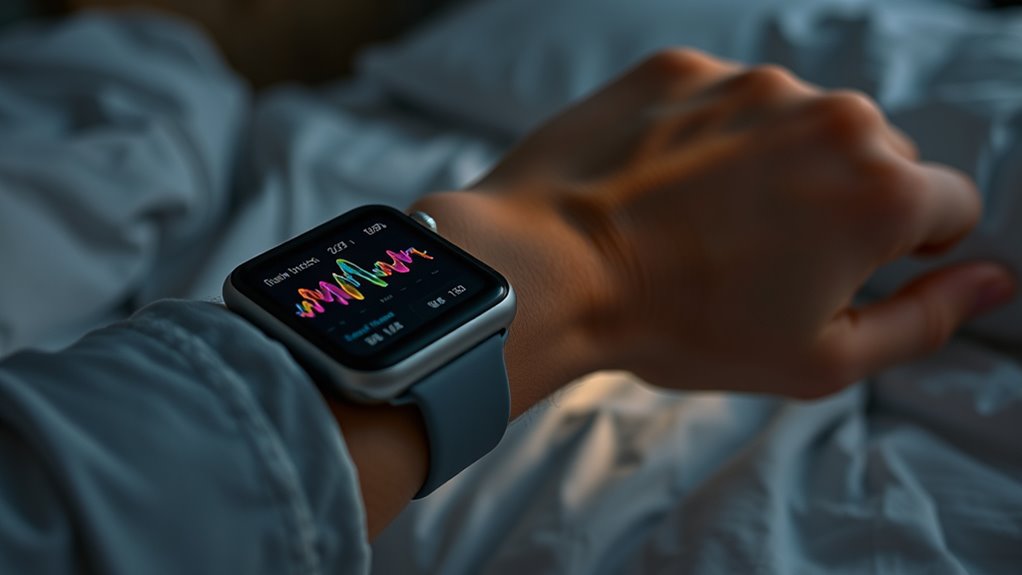
Many modern smartwatches now feature the ability to detect REM sleep, giving users valuable insights into their sleep quality without the need for cumbersome equipment. These devices track your sleep cycle by monitoring various signals such as movement, heart rate, and sometimes even blood oxygen levels. The goal is to identify when you enter REM sleep, the stage associated with vivid dreams and vital for mental and emotional health. However, the question remains: how accurate are these devices when it comes to detecting REM sleep? The answer depends on several factors, but generally, smartwatches provide a good general idea rather than pinpoint precision.
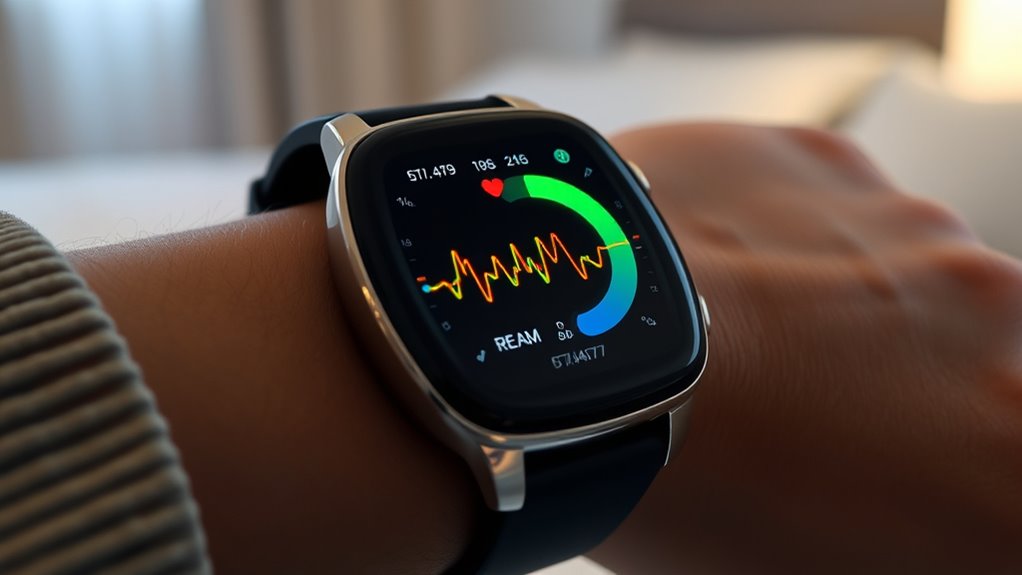
Most smartwatches use accelerometers to track your movements and heart rate sensors to analyze physiological changes during sleep. These signals are processed through sophisticated algorithms designed to approximate different sleep stages, including REM. While this technology has improved considerably over the years, it’s important to recognize that device accuracy can vary. Factors like wrist placement, skin contact, and even individual sleep patterns can influence how well the device detects REM sleep. If your movements are minimal or your heart rate fluctuates less during sleep, the smartwatch might have a harder time accurately identifying REM stages.
It’s also worth noting that sleep cycles are inherently complex and can differ from person to person. The average sleep cycle lasts about 90 minutes, with REM stages occurring at different times throughout the night. Smartwatches attempt to map these cycles based on the data they collect, but they don’t have the same detailed insights as clinical sleep studies. Nonetheless, they do a decent job at providing a broad overview of your sleep health, including how much REM sleep you’re getting each night. Understanding sleep cycle variability can help set realistic expectations for smartwatch accuracy.
While device accuracy has improved, it’s essential not to rely solely on your smartwatch for definitive sleep analysis. They’re excellent tools for tracking trends over time and identifying patterns, but they shouldn’t replace professional sleep assessments if you suspect serious sleep issues. Many users find that their smartwatch data helps them make small adjustments to improve sleep quality, like managing stress or establishing a consistent bedtime routine. In conclusion, smartwatches can detect REM sleep with reasonable accuracy, but they work best as a general guide rather than an infallible diagnostic tool. Keep your expectations realistic, and use the data as a helpful starting point for better sleep habits.
Frequently Asked Questions
How Do Smartwatches Differentiate REM Sleep From Other Sleep Stages?
Smartwatches differentiate REM sleep from other sleep stages by analyzing your sleep cycle using advanced sensor technology. They monitor heart rate, movement, and sometimes even blood oxygen levels to identify specific patterns associated with REM sleep, such as rapid eye movements and muscle atonia. By tracking these signals throughout the night, your smartwatch can estimate when you’re in REM sleep versus other stages, providing insights into your overall sleep quality.
What Are the Limitations of Smartwatch Sensors in Detecting REM Sleep?
Ever wonder if smartwatch sensors can truly capture REM sleep accurately? The main limitations stem from sensor calibration issues that affect data precision, as well as the inability to measure brain activity directly. Additionally, you should consider data privacy concerns, since sleep data is often transmitted and stored online. These factors make it difficult for smartwatches to consistently and reliably detect REM sleep, especially compared to clinical sleep studies.
Can Smartwatch Data Be Used for Clinical Sleep Disorder Diagnosis?
Smartwatch data alone isn’t reliable enough for clinical sleep disorder diagnosis due to limitations in data accuracy. While they can provide insights into your sleep cycle patterns, they can’t replace professional evaluations. If you suspect a sleep disorder, consult a healthcare provider who can perform extensive tests like overnight polysomnography. Use smartwatch data as a helpful starting point, but don’t rely solely on it for medical decisions.
How Does Skin Type Affect Smartwatch Sleep Tracking Accuracy?
Skin type definitely affects smartwatch sleep tracking accuracy, especially because sensor calibration varies with skin hydration and texture. If your skin is dry or oily, it can interfere with the sensors’ ability to detect heart rate and movement accurately. This means your smartwatch might misinterpret sleep stages. To improve accuracy, verify your device’s sensors are clean and consider that skin differences can cause inconsistencies in sleep data.
Are There Specific Brands or Models Better at Detecting REM Sleep?
Some brands excel at detecting REM sleep thanks to advanced sleep tracking algorithms and better wearable compatibility. Fitbit and Apple Watch are popular options, offering sophisticated sensors and algorithms that improve accuracy. You’ll find that these devices analyze your movement and heart rate more effectively, giving you a clearer picture of your REM sleep. Keep in mind, though, no smartwatch can perfectly track REM sleep, but these brands come closest.
Conclusion
While smartwatches have come a long way in tracking REM sleep, they still aren’t quite the crystal ball we wish for. Think of them like a dial-up modem in a fiber-optic world—useful, but not perfect. If you’re craving pinpoint accuracy, a sleep study remains your best bet. Until then, enjoy your smartwatch’s insights, but remember, it’s more of a helpful compass than a GPS—still guiding you, but not always the destination itself.