
Phone apps can genuinely help improve your sleep by tracking your patterns, offering personalized tips, and controlling your environment. They use sensors or microphones to monitor sleep stages, sounds, and habits. Many include relaxation tools or integrate with smart devices to create a sleep-friendly setting. While they work best when combined with good sleep habits, understanding their features and limitations is key. Keep exploring to discover how these tools can support your best rest.
Key Takeaways
- Sleep apps monitor sleep patterns using sensors, providing insights to help improve sleep quality.
- They offer relaxation techniques and pre-sleep routines that can aid in falling asleep more easily.
- Apps can identify disruptions and suggest lifestyle or environmental adjustments for better rest.
- Integration with smart devices allows automation of bedroom conditions, enhancing sleep environments.
- Consistent use of evidence-based features in sleep apps can promote healthier sleep habits over time.
How Do Sleep Apps Work?
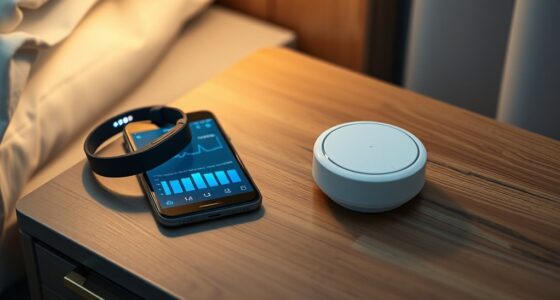
Have you ever wondered how sleep apps track your sleep patterns? These apps use sensors in your phone or wearable devices to monitor movements and sounds during the night. They analyze your sleep hygiene habits—like bedtime consistency and pre-sleep routines—to offer personalized tips for better sleep. Some apps also include dream analysis features, interpreting your dreams based on patterns or descriptions you input, helping you understand your subconscious. By combining data on sleep stages and habits, they create an extensive picture of your sleep quality. This information can motivate you to make healthier choices, improve your sleep hygiene, and gain insights into your dream activity. Additionally, understanding the importance of Sleep Monitoring Technologies can help you identify underlying factors that may affect your sleep quality and overall relaxation. Utilizing accurate sensors can significantly enhance the precision of sleep data collection, especially when integrated with advanced nanotechnology-based sensors, which are emerging as highly sensitive and minimally invasive tools. Implementing these tools can also aid in preventing skin damage caused by poor sleep habits, as quality rest is essential for healthy skin. Sleep apps aim to empower you to take control of your sleep health through detailed tracking and analysis.
Scientific Evidence Supporting Sleep Apps
Research shows that sleep apps can accurately track your sleep patterns, helping you identify trends and issues. Studies also indicate that certain app-based interventions can improve sleep quality when used consistently. Understanding the scientific evidence behind these tools can help you decide if they’re worth incorporating into your routine. Additionally, integrating smart appliances into your sleep environment can enhance comfort and automation for better rest. These devices often utilize sleep-tracking technology to optimize your bedroom conditions automatically, aligning with connected home fitness principles to support overall wellness. Incorporating adaptive lighting and other automation features can further create a sleep-friendly environment that responds to your natural rhythms.
Sleep Pattern Tracking
Scientific studies have shown that sleep tracking apps can provide accurate insights into your sleep patterns when used correctly. These apps analyze data from sensors or your phone’s microphone to monitor sleep duration, cycles, and disturbances. Some apps incorporate dream analysis features, helping you understand your subconscious patterns and possible stressors affecting sleep quality. They also consider your sleep environment, like noise levels and light exposure, to identify factors disrupting restful sleep. By tracking these elements over time, you can recognize habits or conditions impacting your sleep quality. This detailed information allows you to make informed adjustments to your routines or environment. Incorporating sleep hygiene practices alongside app data can further enhance your sleep quality. Additionally, understanding sleep environment factors can lead to targeted improvements for better rest. Monitoring your sleep patterns regularly can empower you to develop healthier sleep habits and recognize early signs of sleep issues. Recognizing the importance of consistent sleep schedules can further improve overall sleep health. While not perfect, sleep pattern tracking with apps offers a valuable, data-driven way to understand and improve your sleep health. Calm and organized homes can support better sleep habits, making it easier to achieve restful nights.
Effectiveness of Interventions
While sleep apps offer promising tools for improving sleep, evidence about their effectiveness varies. Some studies show they help reinforce good sleep hygiene and bedtime routines, leading to better sleep quality. However, results aren’t consistent across all users. Here’s what you should consider:
- They can remind you to stick to regular sleep and wake times.
- Some apps provide guided relaxation or mindfulness exercises to create a calming bedtime routine.
- Monitoring sleep patterns may motivate you to improve habits, but doesn’t guarantee results.
- Combining app use with other healthy sleep practices yields the best outcomes.
- Incorporating healthy dog snacks into your routine can promote overall well-being, which may positively influence sleep quality.
- Using sleep tracking technology designed with scientific accuracy can provide more reliable insights into your sleep patterns. Additionally, selecting user-friendly interfaces can increase adherence and consistent use of the apps.
- Ensuring that the apps are based on scientific principles can enhance their effectiveness and reliability. Integrating evidence-based techniques can further improve the chances of achieving better sleep.
Ultimately, these interventions can support better sleep, but their success heavily depends on your commitment to consistent routines and lifestyle changes.
Common Features of Effective Sleep Apps

Effective sleep apps often include personalized sleep tracking, so you can see patterns and make improvements. Guided relaxation techniques, like breathing exercises or meditation, help you wind down before bed. These features work together to create a more restful night’s sleep. Incorporating sleep environment optimization can further enhance your sleep quality by addressing factors like light, noise, and temperature. Additionally, some apps offer air quality insights that help you monitor and improve the air in your bedroom, contributing to better sleep. Paying attention to ambient conditions can make a significant difference in achieving restorative rest and can be supported by integrating home environment control devices. Understanding how sleep science influences these tools can help you choose the most effective options for your needs.
Personalized Sleep Tracking
Personalized sleep tracking is a key feature that sets effective sleep apps apart, as it allows you to receive tailored insights based on your individual sleep patterns. By analyzing your sleep hygiene and circadian rhythms, the app helps identify habits that may hinder restful sleep. With this data, you can make targeted improvements, such as adjusting bedtime routines or optimizing your environment. Here’s how personalized tracking benefits you:
- Detects irregular sleep patterns to promote consistency.
- Highlights disruptions linked to your circadian rhythm.
- Offers custom suggestions to improve sleep hygiene.
- Tracks progress over time for better self-awareness.
This tailored approach helps you understand your unique sleep needs, making it easier to develop habits that lead to more restful nights.
Guided Relaxation Techniques
Guided relaxation techniques are a common feature in successful sleep apps, helping you unwind and prepare for restful sleep. These techniques often include mindfulness meditation, which encourages you to focus on the present moment and release racing thoughts. Breathing exercises are also frequently used, guiding you to slow your breath and calm your nervous system. By following audio prompts, you learn to relax your muscles and quiet your mind, reducing stress that can interfere with sleep. Many apps combine these methods into soothing sessions tailored to your needs, making it easier to *shift* from wakefulness to rest. Incorporating guided relaxation methods into your nightly routine can *considerably* improve your sleep quality and help you wake up feeling refreshed.
Limitations and Risks of Using Sleep Apps
While sleep apps can offer convenient insights into your sleep patterns, they also come with important limitations and risks. First, privacy concerns arise because your data might be shared or stored without your full awareness. Second, data accuracy isn’t guaranteed—apps often rely on algorithms that can misinterpret your sleep stages or movements. Third, false reassurance or unnecessary worry can develop if the app provides misleading information. Fourth, over-reliance on technology might distract you from establishing healthy sleep habits. Be cautious about what data you share and remember that these apps are tools, not definitive diagnoses. Staying aware of these risks helps you make smarter choices about using sleep apps in your sleep routine.
Tips for Choosing the Right Sleep App

How can you choose the right sleep app for your needs? Start by looking for an app with a user-friendly interface that’s easy to navigate, so you won’t get frustrated or overwhelmed. Check reviews to see if others find it simple and effective. Equally important is data privacy; guarantee the app clearly states how it handles your personal information and sleep data. Avoid apps that share your data without permission or lack transparency. Consider the features you want—such as sleep tracking or relaxation tools—and verify they are accurate and reliable. Free trials or demos can help you test usability before committing. By prioritizing a user-friendly design and strong data privacy policies, you’ll find an app that supports your sleep goals safely and effectively.
Complementary Strategies for Better Sleep

Enhancing your sleep quality often involves more than just using a sleep app; incorporating complementary strategies can make a significant difference. Establishing a consistent bedtime routine helps signal your body it’s time to sleep, making falling asleep easier. Creating a sleep-friendly environment is also essential—keep your room dark, quiet, and cool. Consider these steps:
- Set a regular sleep schedule, even on weekends.
- Limit screen time and avoid screens at least an hour before bed.
- Use blackout curtains or an eye mask to block out light.
- Keep your bedroom well-ventilated and free of distractions.
Future Trends in Digital Sleep Solutions
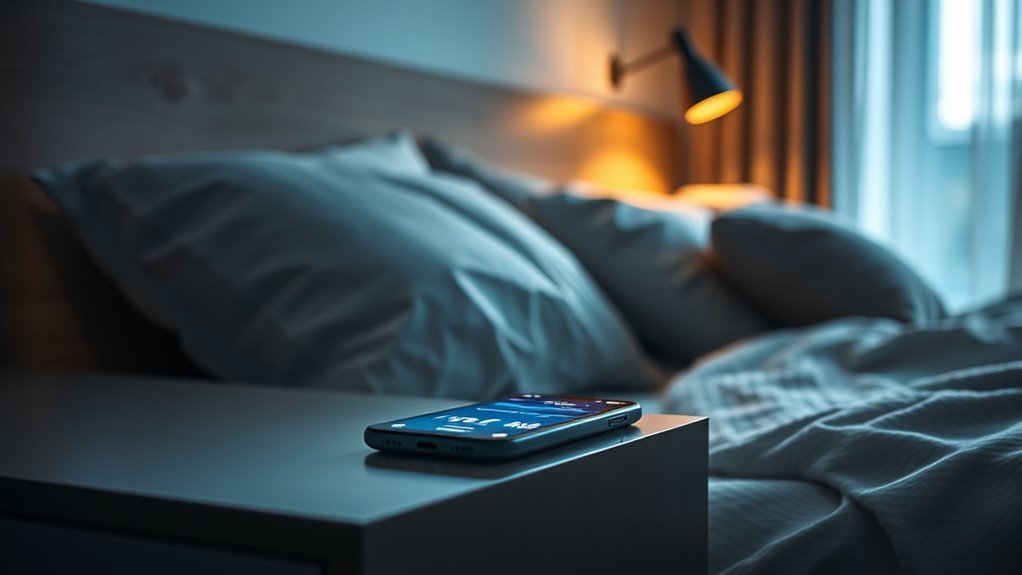
Advancements in technology are rapidly shaping the future of digital sleep solutions, making personalized and more effective tools increasingly accessible. Wearable technology will become more sophisticated, continuously monitoring your sleep patterns and providing real-time insights. AI customization will play a key role, tailoring sleep recommendations based on your unique needs, habits, and health data. Expect smarter devices that adapt to your lifestyle, automatically adjusting settings like lighting or temperature to optimize sleep quality. As these innovations evolve, you’ll benefit from more precise, personalized sleep coaching that seamlessly integrates into daily routines. The combination of wearable tech and AI customization promises a future where sleep solutions are not only more effective but also effortless to incorporate into your life, helping you achieve better rest with minimal effort.
Frequently Asked Questions
Are Sleep Apps Suitable for Children or Teenagers?
Sleep apps aren’t typically suitable for children or teenagers because their child development needs differ, and many apps lack age-appropriate content. You should prioritize apps with good usability that are designed specifically for young users, guaranteeing they promote healthy sleep habits without causing distraction. Always supervise app use and consult a healthcare professional if you’re concerned about sleep issues, to ensure safety and effectiveness for their age group.
Can Sleep Apps Replace Professional Medical Advice?
Sleep apps can’t replace professional medical advice, even if they claim to improve your sleep quality. While they can offer helpful insights and track patterns, their reliability varies, and they lack personalized expertise. You should consult a healthcare professional for persistent sleep issues, as they can provide accurate diagnosis and tailored treatment. Relying solely on apps might overlook underlying health problems that only a medical expert can address.
How Much Do Effective Sleep Apps Typically Cost?
Effective sleep apps typically cost between $0 and $50 annually, depending on features. You’ll find free options with basic sleep tracking, while premium apps offer advanced features like personalized sleep coaching and detailed analytics. When considering cost comparison, think about the app features that suit your needs best. Investing in a quality sleep app can be worthwhile if it helps improve your sleep habits and overall well-being.
Are There Privacy Concerns With Sleep Monitoring Data?
Think of your sleep data as a treasure chest—you wouldn’t leave it unlocked. Yes, there are privacy concerns with sleep monitoring data; some apps may share or mishandle your info. Always check data security measures and user privacy policies before trusting an app. Protect your personal insights like gold, ensuring your sleep patterns stay private and secure, so you can rest easy knowing your data’s safe.
Do Sleep Apps Work Equally Well for Different Sleep Disorders?
Sleep apps may not work equally well for different sleep disorders, as their effectiveness varies depending on your sleep quality and specific condition. For common issues like insomnia, they can offer helpful insights and routines. However, if you have complex disorders like sleep apnea, apps alone might not be enough. You should consult a specialist for personalized treatment. Always remember, the app’s effectiveness depends on your unique sleep needs and disorder.
Conclusion
So, if you explore the world of sleep apps, you might just discover the secret to the best sleep of your life—better than a week’s vacation in paradise! While they’re not magical, these apps could be your ultimate bedtime sidekick, turning sleepless nights into sweet dreams. Just remember, no app can do all the work alone—pair it with good habits. Sleep tight, and let technology turn your nights into a sleep fairy tale!