
Sleep tracking rings often beat smartwatches in comfort, discreetness, and accuracy, making them ideal for all-night wear. They are lightweight, less obtrusive, and have sensors closer to your skin, providing more precise sleep data. While smartwatches offer more features and customization, they can be bulkier and less comfortable for sleep. Want to discover which device best fits your needs? Keep exploring to find out more.
Key Takeaways
- Sleep rings typically provide more accurate and detailed sleep data due to sensor placement closer to the skin.
- They are more comfortable and discreet for continuous wear, including overnight sleep tracking.
- Smartwatches offer additional features and customization but can be bulkier and less comfortable for extended wear.
- Sleep rings generally have longer battery life and easier, quicker charging compared to smartwatches.
- The choice depends on individual preferences for comfort, data accuracy, and desired device functionality.
Design and Comfort
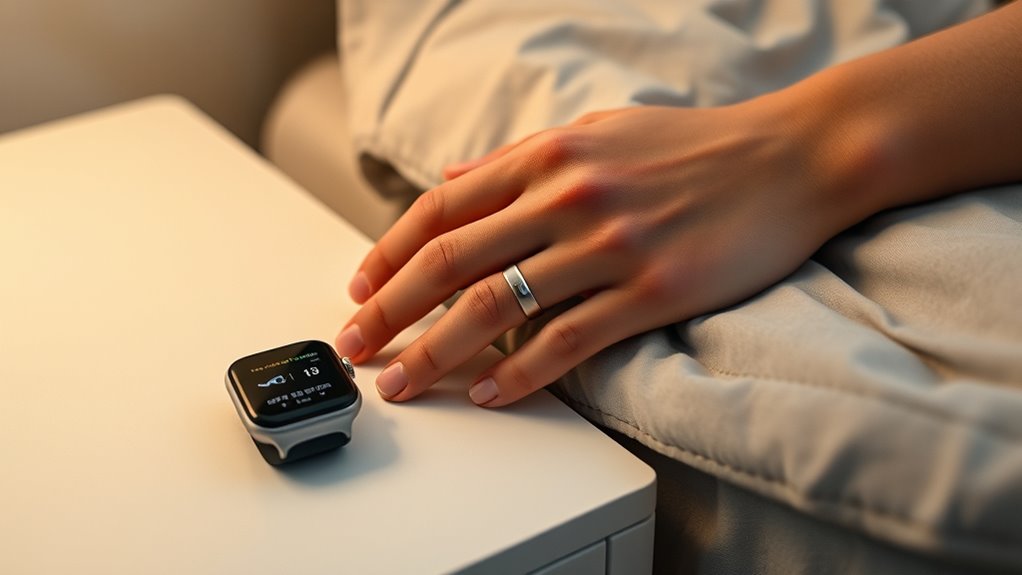
When it comes to design and comfort, sleep tracking rings and smartwatches offer very different experiences. Material differences play a big role—rings are typically made from lightweight metals or durable ceramics, making them less obtrusive. Smartwatches, on the other hand, tend to be bulkier with plastic or metal cases, which can feel more noticeable on your wrist. Aesthetic appeal varies: rings are sleek, minimalist, and discreet, blending effortlessly with everyday style. Smartwatches often feature larger screens and a sportier or more high-tech look, which might appeal if you prefer a statement piece. Ultimately, your comfort depends on your personal preference for weight and appearance; a ring’s subtlety might be more comfortable, but a smartwatch offers a more visible, customizable aesthetic. Additionally, considerations like Free Floating can influence the overall experience and usability of each device type, especially regarding wearable technology design, as the wearable form factor impacts how seamlessly the device fits into daily life. The sensor placement also plays a crucial role in the accuracy and comfort of sleep tracking devices, affecting overall usability. Moreover, the choice between devices may also be impacted by biometric sensors, which are integrated differently depending on the device type to optimize data collection and user comfort.
Features and Functionality
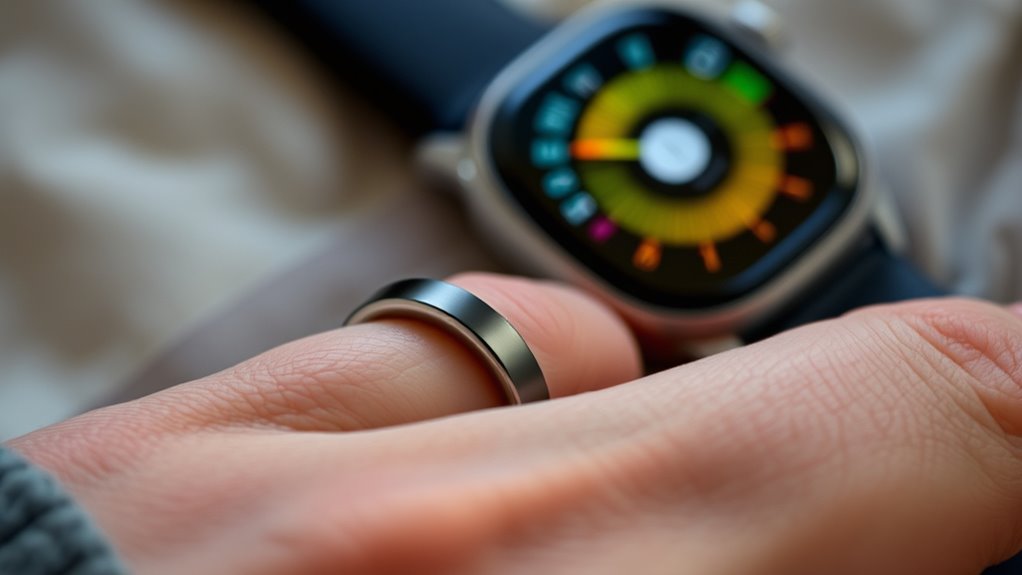
When comparing sleep tracking rings and smartwatches, it’s important to take into account how accurately they measure your sleep data. You’ll also want to look at how comfortable and wearable each device is for long-term use. Don’t forget to check out their app features and how well they integrate with your existing health and fitness tools. Additionally, consider the future of modern kitchen technology, which emphasizes seamless and automated integration—paralleling how these devices aim to streamline health monitoring.
Sleep Data Accuracy
Sleep data accuracy is a critical factor when comparing sleep tracking rings and smartwatches, as it directly impacts the reliability of the insights they provide. Rings often excel at capturing detailed sleep patterns because they sit closer to your skin and have advanced sensors. This proximity allows for more consistent contact and better sensor readings, enhancing data quality. Additionally, sensor placement plays a significant role in data precision, with rings benefiting from optimal positioning for accurate readings. Proper wiring basics and device fit are essential for maximizing accuracy. Furthermore, regular calibration and correct wearing habits can significantly improve the quality of sleep data collected. When considering device maintenance, keeping your device clean and properly charged can also contribute to more reliable measurements. The sensor technology used in rings often incorporates more sophisticated sensors that can detect subtle physiological signals, making them more effective at tracking sleep stages. Ultimately, if you prioritize accurate sleep data, especially for tracking subtle sleep pattern changes, rings tend to offer more precise insights than smartwatches.
Wearability and Comfort
Wearability and comfort play an essential role in your overall sleep tracking experience, as devices that feel intrusive or uncomfortable can disrupt your rest. Sleep rings are typically lightweight and slim, blending seamlessly with current fashion trends, making them less noticeable and more comfortable to wear overnight. They’re made from durable materials that withstand daily wear without losing shape or function, ensuring long-term reliability. Smartwatches, on the other hand, tend to be bulkier and can sometimes feel heavy, especially if worn overnight. Their straps may cause irritation or discomfort if not properly fitted. When choosing between the two, consider how the device feels on your finger or wrist and whether it aligns with your comfort preferences and style. Material durability and fashion compatibility are key to sustained wearability. Additionally, understanding market trends can help you select a device that offers the best combination of comfort, style, and functionality. For many users, wearable device ergonomics significantly influence their willingness to wear these devices consistently. Moreover, the technological advancements in sleep tracking can impact the overall user experience and accuracy of data collected.
App and Integration Features
App and integration features substantially enhance the overall functionality of sleep tracking devices, shaping how effectively they support your sleep analysis. A robust app *unlocks* advanced capabilities, such as:
- Customizing sleep goals based on your habits and preferences.
- Accessing detailed insights through refined sleep tracking algorithms.
- Syncing data seamlessly across devices for *comprehensive* health tracking.
- Setting personalized notifications to improve sleep routines.
- Understanding net worth implications and how device interoperability can influence your health data management.
Furthermore, data security measures are crucial to protect sensitive health information shared across platforms. These features enable you to tailor your experience, making data more meaningful and actionable. With app customization, you can prioritize metrics that matter most, while improved integrations ensure your sleep data complements other health apps. Additionally, user interface design plays a key role in making these tools accessible and easy to navigate, encouraging consistent use. Incorporating third-party integrations can also expand the device’s capabilities, providing a more holistic view of your health. Ultimately, these tools help you better understand your sleep patterns and make targeted improvements.
Accuracy and Data Reliability
You want to trust your sleep data, so the sensor technology’s accuracy matters. Consistency over time ensures your results stay reliable, day after day. Plus, accurate sleep stage detection helps you understand your sleep patterns better. Incorporating safe installation practices and understanding how sensors work can also improve overall data reliability. Additionally, understanding sensor calibration techniques can help maintain measurement precision and ensure your data remains trustworthy. Recognizing the impact of contrast ratio and display calibration can further enhance the clarity and accuracy of visual feedback from these devices. Maintaining awareness of air quality factors can also influence sensor performance and data accuracy.
Sensor Technology Precision
Sensor technology precision is essential in determining how accurately sleep tracking devices measure critical metrics. Precise sensors rely on proper sensor calibration to guarantee measurements are correct. When data synchronization occurs seamlessly, your device can accurately compare readings over time. Here are four key factors that impact sensor accuracy:
- Consistent sensor calibration maintains measurement reliability.
- High-quality sensors detect subtle physiological signals.
- Proper data synchronization prevents data mismatches.
- Advanced sensor algorithms enhance measurement precision.
- European cloud infrastructure can support secure data processing and storage, ensuring your sleep data remains protected and reliable.
In rings or smartwatches, these factors influence how well your device tracks sleep stages and vital signs. Better sensor technology means your data is more trustworthy and consistent. Ultimately, precision in sensor technology determines whether your sleep insights are accurate and actionable.
Data Consistency Over Time
Maintaining consistent and reliable data over time is vital for trustworthiness in sleep tracking. You want your device’s algorithm dependability to guarantee that your sleep data remains accurate day after day. Sleep rings often excel in data consistency because their sensors are designed to minimize fluctuations caused by movement or external factors. Smartwatches, while versatile, may sometimes show variability due to differences in sensor placement or usage patterns. Over extended periods, a device with stable data accuracy helps identify genuine sleep trends rather than anomalies. By prioritizing devices with proven algorithm reliability, you guarantee your sleep insights are dependable and meaningful. Consistent data quality allows you to make informed decisions about your sleep health, ultimately leading to better sleep habits.
Sleep Stage Detection Accuracy
Accurate sleep stage detection is essential for understanding your sleep quality, and the reliability of this feature varies between sleep tracking devices. When evaluating data accuracy, consider these factors:
- Sensor Technology: Ring devices often use PPG sensors, while smartwatches may include multiple sensors, affecting detection precision.
- Algorithm Sophistication: Advanced algorithms improve sleep stage detection, but their effectiveness depends on device calibration.
- Data Consistency: Consistent data over multiple nights helps verify sleep patterns, yet some devices struggle with accurate stage classification.
- User Variability: Factors like movement or skin tone can impact sleep stage detection accuracy, making data less reliable.
Understanding these elements helps you gauge whether a sleep tracking ring or smartwatch provides more dependable data accuracy for your sleep insights.
User Experience and Ease of Use

When comparing sleep tracking rings and smartwatches, your overall experience often hinges on how easy they are to use daily. Rings are small, unobtrusive, and require minimal interaction, leading to higher user satisfaction. In contrast, smartwatches offer more features but can be bulky, which some find less comfortable. Customer feedback suggests rings score better for simplicity, while smartwatches excel in functionality. Consider this table:
| Ease of Use Factor | Impact on Satisfaction |
|---|---|
| Design & Comfort | Rings are more comfortable for continuous wear |
| Setup Process | Rings are easier to set up and sync |
| Daily Interaction | Rings require little to no daily interaction |
Choosing depends on your preference for simplicity versus feature richness.
Battery Life and Charging
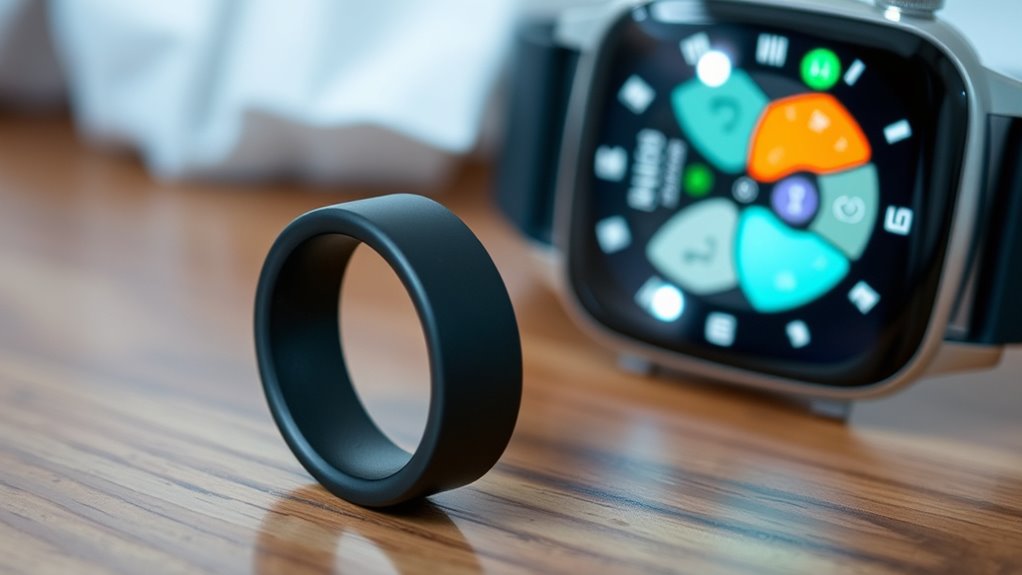
Battery life and charging are crucial factors to contemplate because they directly affect how often you’ll need to recharge your device. Longer battery longevity means less hassle and uninterrupted tracking. Charging convenience ensures you can easily power up your device without disruption. Consider these points:
- Sleep rings often last several days on a single charge, reducing frequent recharges.
- Smartwatches typically require daily charging, which can interrupt your routine.
- Wireless charging options enhance convenience, especially for sleep devices worn overnight.
- Quick-charging features can help you top up your device quickly if needed.
Ultimately, a device with better battery longevity and easy charging options offers a smoother experience, letting you focus on sleep insights rather than constant recharging.
Compatibility and Integration

Compatibility and integration play a pivotal role in ensuring your sleep tracking device complements your existing technology ecosystem. With third-party compatibility, you can connect your sleep tracker to various apps and platforms beyond the device’s native system, enhancing your data insights. Cross-platform integration allows your sleep data to sync seamlessly across different operating systems like iOS and Android, giving you flexibility and convenience. Sleep rings often prioritize broad compatibility, working smoothly with popular health apps and fitness ecosystems. Smartwatches, on the other hand, tend to offer more extensive integration features, syncing with various devices and services. When choosing between the two, consider how well each device integrates with your existing gadgets and preferred apps to maximize your sleep tracking experience.
Cost and Value

Considering the cost and value of sleep tracking devices is essential to making a smart investment in your health. Pricing strategies vary widely, impacting affordability and perceived worth. When evaluating options, think about:
- Initial cost versus long-term benefits
- How brand reputation influences device reliability
- Additional features that add value without inflating price
- The potential savings from improved sleep quality and health
Sleep tracking rings often come with a higher upfront price but may offer better data accuracy and comfort, while smartwatches usually lower initial costs but include more features. Your choice depends on balancing budget with the device’s ability to deliver meaningful insights, making brand reputation a key factor in ensuring your investment pays off.
Frequently Asked Questions
Can Sleep Rings Detect Stress Levels During Sleep?
Yes, sleep rings can detect stress levels during sleep by monitoring heart rate variability and other physiological signals. This helps you understand your stress detection and its impact on your sleep quality. By tracking these metrics, sleep rings offer insights into how stress affects your rest, enabling you to make adjustments for better sleep health. They’re a useful tool for gaining a deeper understanding of your overall sleep and stress patterns.
Are Sleep Rings Suitable for All Sleep Disorders?
Sleep rings aren’t suitable for all sleep disorders due to their limited sleep ring accuracy and detection capabilities. While they excel at tracking general sleep patterns, they may fall short in identifying complex conditions like sleep apnea or restless leg syndrome. If you have a diagnosed sleep disorder, consult a healthcare professional for thorough assessment tools, as sleep rings are better suited for monitoring overall sleep quality rather than detailed sleep disorder detection.
Do Sleep Rings Offer Personalized Sleep Coaching?
Yes, sleep rings often offer personalized sleep coaching by analyzing your sleep cycle and providing tailored insights to improve sleep quality. They track patterns closely, helping you understand your unique sleep needs. With this data, you can adjust habits and routines for better rest. Sleep rings make it easier to identify areas for improvement and stay motivated, ultimately enhancing your overall sleep health.
How Do Sleep Rings Handle Data Privacy Concerns?
In the age of digital renaissance, sleep rings prioritize your privacy by utilizing data encryption and safeguarding user anonymity. They typically store your data securely on your device or transmit it through encrypted channels, ensuring your sleep patterns stay private. You maintain control over your information, deciding what to share. This focus on privacy helps build trust, so you can rest easy knowing your sleep data remains protected from unauthorized access.
Can Sleep Rings Track Sleep Patterns in Different Environments?
Yes, sleep rings can track sleep patterns in different environments by adjusting for ambient conditions. They use sensors to monitor environmental accuracy, such as temperature and light, which influence sleep quality. You’ll find that sleep rings adapt to various settings more effectively than some smartwatches, providing consistent data regardless of ambient conditions. This makes them reliable tools for monitoring sleep across diverse environments, ensuring you get accurate insights no matter where you are.
Conclusion
Ultimately, whether a sleep tracking ring beats a smartwatch depends on what you value most. If you want comfort and discreetness, a ring might be your best bet. But if you prefer detailed features and broader compatibility, a smartwatch could be the way to go. Remember, don’t put all your eggs in one basket—choose the device that fits your lifestyle and priorities best. After all, variety is the spice of life!