
Sleep trackers can confuse you at first because their data often seems unclear or inconsistent. You might see conflicting sleep scores, durations, or interruptions that are hard to interpret, making it difficult to understand what they really mean. Many devices inaccurately classify wakefulness or sleep stages, especially if sensors aren’t precise. Without knowing their limitations, it’s easy to misjudge your sleep quality or get frustrated. Keep going to discover how to better understand and trust your sleep data.

Get health and wellness essentials delivered free — and shop member deals
- Fast, free delivery on millions of items
- Access to Prime Big Deal Days deals on October 6–7
- Prime Video, Amazon Music and more included
Key Takeaways
- Sleep trackers often provide complex, conflicting data that can be hard for beginners to interpret accurately.
- Variability in device accuracy and sensors can lead to inconsistent or misleading sleep readings.
- Lack of understanding about how sleep stages are identified causes confusion and misinterpretation.
- External factors and device limitations may distort data, making it seem unreliable or inconsistent.
- Inexperience with sleep tracking makes it difficult to distinguish between actual sleep issues and device inaccuracies.
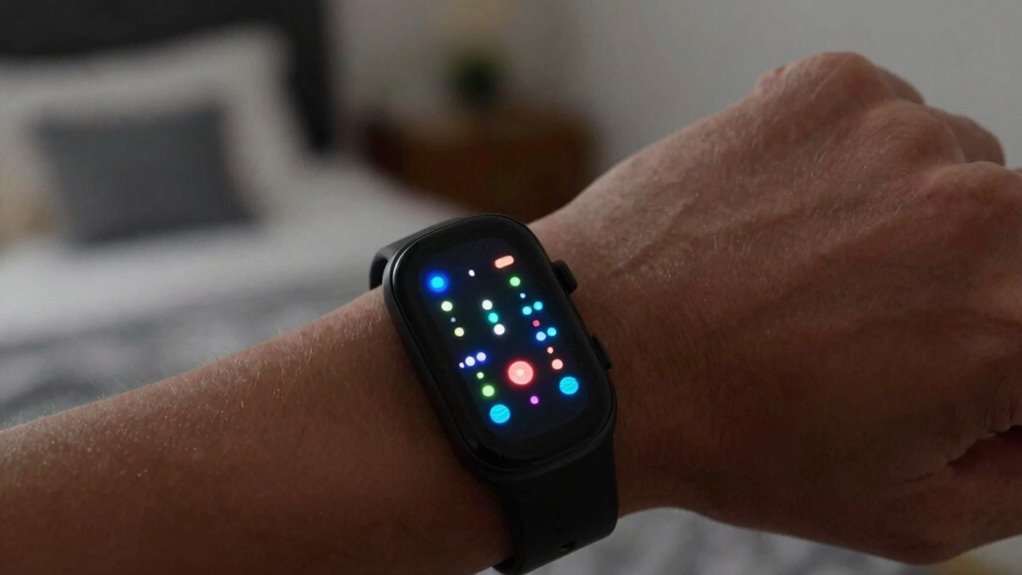
Sleep trackers are designed to help you understand your sleep patterns, but for beginners, they often create more confusion than clarity. When you first start using one, it’s easy to become overwhelmed by the amount of data it provides. You might look at your sleep score, duration, and interruptions and wonder what they really mean. This is where sleep data interpretation becomes tricky. The numbers can be confusing, especially since many devices don’t always agree on what constitutes restful sleep or wakefulness. You may find yourself questioning whether your sleep tracker is accurately reflecting your actual sleep quality or just producing misleading data.
Sleep trackers can be confusing for beginners, often providing unclear or conflicting sleep data.
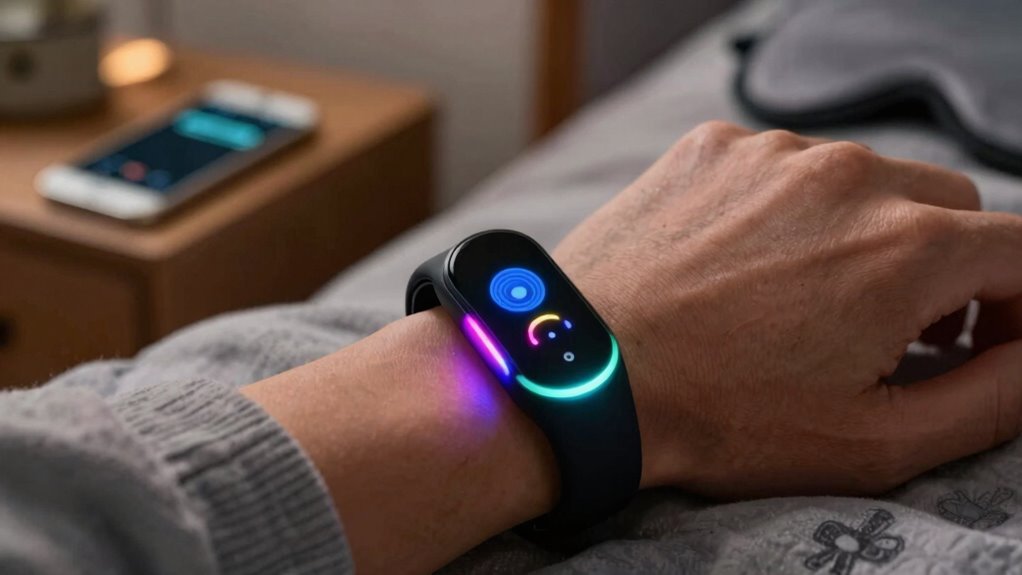
One of the main reasons sleep trackers confuse beginners is because of device accuracy concerns. Not all devices are created equal, and their sensors vary in how well they detect sleep stages. Some trackers rely on movement to determine if you’re asleep, which can be problematic if you tend to stay still while awake or move slightly during sleep. Others use heart rate or skin temperature, but these methods also have limitations, especially if you’re wearing the device loosely or if external factors influence your readings. As a result, you might see inconsistent or seemingly inaccurate data from night to night, leading you to question whether the device is reliable at all. Recognizing limitations of sleep tracking technology can help set realistic expectations and reduce confusion.
This uncertainty makes it difficult to interpret your sleep data correctly. For example, if your tracker reports short sleep durations or frequent awakenings, you may assume your sleep hygiene is poor. But the truth might be that the device isn’t capturing your sleep cycles properly, or that it’s misreading your restlessness. Without a clear understanding of how your device works and its accuracy concerns, you might end up making unnecessary changes or stressing over trivial issues. The lack of context and the potential for inaccuracies can leave you feeling frustrated rather than informed. Gaining awareness of sensor limitations and how they impact data accuracy can help you develop a more balanced perspective on your sleep patterns.
best sleep tracker with accurate sleep stages
As an affiliate, we earn on qualifying purchases.
As an affiliate, we earn on qualifying purchases.
Frequently Asked Questions
Do Sleep Trackers Work for Everyone Equally?
Sleep trackers don’t work equally for everyone because sleep accuracy varies based on individual sleep patterns and body responses. Device compatibility also plays a big role; some trackers work better with certain smartphones or wearables. You might find that a tracker gives accurate data for your sleep, but it may not be as precise for someone else. To get the best results, choose a device suited to your sleep habits and tech setup.
Can Sleep Trackers Detect Sleep Disorders Accurately?
Sleep trackers aren’t precise enough to reliably detect sleep disorders, so rely on professionals for diagnosis. While they provide helpful insights into your sleep quality, their data accuracy isn’t perfect, especially for complex conditions. You might feel hopeful when your tracker shows good sleep, but it can miss underlying issues. For accurate diagnosis and treatment, consult a healthcare provider rather than solely depending on sleep tracker data.
Are There Any Health Risks Using Sleep Trackers?
Using sleep trackers generally poses minimal health risks, but it’s essential to prioritize good sleep hygiene. Over-relying on data can cause stress, affecting your sleep quality. Also, be cautious about data privacy; some devices collect sensitive information that could be vulnerable if not properly secured. To stay safe, choose reputable trackers, manage your data privacy settings, and focus on healthy sleep habits rather than obsessing over the numbers.
How Often Should I Calibrate My Sleep Tracker?
You should calibrate your sleep tracker once every two weeks to guarantee sensor accuracy. Studies show that even small calibration gaps can reduce data precision by up to 15%, impacting your insights. Regular calibration helps maintain accuracy, especially if you’ve experienced inconsistent readings. Keep an eye on your device’s instructions, and don’t hesitate to recalibrate if your sleep patterns change or if data feels off.
Do Sleep Trackers Track Dreams or Just Sleep Stages?
Sleep trackers don’t track dreams, only sleep stages and cycles. They monitor movements and heart rate to estimate when you’re in light, deep, or REM sleep. If you’re interested in dream interpretation, you’ll need to record your dreams separately, as trackers don’t capture that aspect. Understanding your sleep cycle can improve sleep quality, but dreams remain a personal experience outside the scope of most sleep tracking technology.
wearable sleep monitor for beginners
As an affiliate, we earn on qualifying purchases.
As an affiliate, we earn on qualifying purchases.
Conclusion
So, don’t be discouraged if sleep trackers seem confusing at first. Like deciphering a mysterious cipher from the days of the Renaissance, understanding your device takes patience and practice. Remember, even the most seasoned explorers once struggled with uncharted waters. As you familiarize yourself with your tracker’s quirks, you’ll gain clearer insights into your sleep patterns. Keep at it, and soon you’ll be steering your nightly rest with the confidence of a seasoned mariner.
sleep tracking device with heart rate sensor
As an affiliate, we earn on qualifying purchases.
As an affiliate, we earn on qualifying purchases.
sleep tracker with detailed sleep analysis
As an affiliate, we earn on qualifying purchases.
As an affiliate, we earn on qualifying purchases.
Fall Picks
fall essentials
As an affiliate, we earn on qualifying purchases.