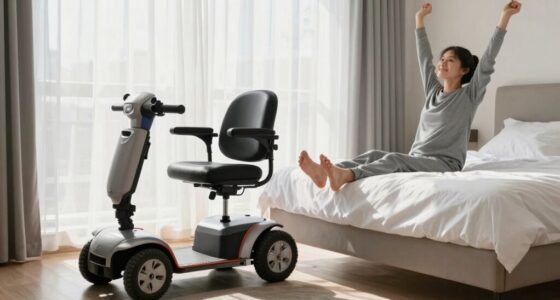

Recovery seating has become essential to your home wellness routine because it provides supportive, ergonomic comfort that aids injury recovery and promotes better posture. Its focus on sustainability and eco-friendly materials aligns with your desire for healthier living spaces. This furniture creates a dedicated space for relaxation and self-care, blending comfort with healing benefits. If you keep exploring, you’ll discover how these designs can enhance your everyday well-being even further.
Play games included with Prime
Start a Prime free trial and play with Amazon Luna on your devices.
As an affiliate, we earn on qualifying purchases.
Key Takeaways
- Growing focus on health and self-care emphasizes the need for dedicated recovery spaces at home.
- Ergonomic design in recovery seating promotes proper posture and aids in injury recovery and pain management.
- Comfort and functionality support extended relaxation and healing, making recovery seating essential in wellness routines.
- Use of sustainable, eco-friendly materials aligns with holistic health and environmental responsibility.
- Recovery seating enhances overall well-being by creating supportive environments for rest, relaxation, and self-care.
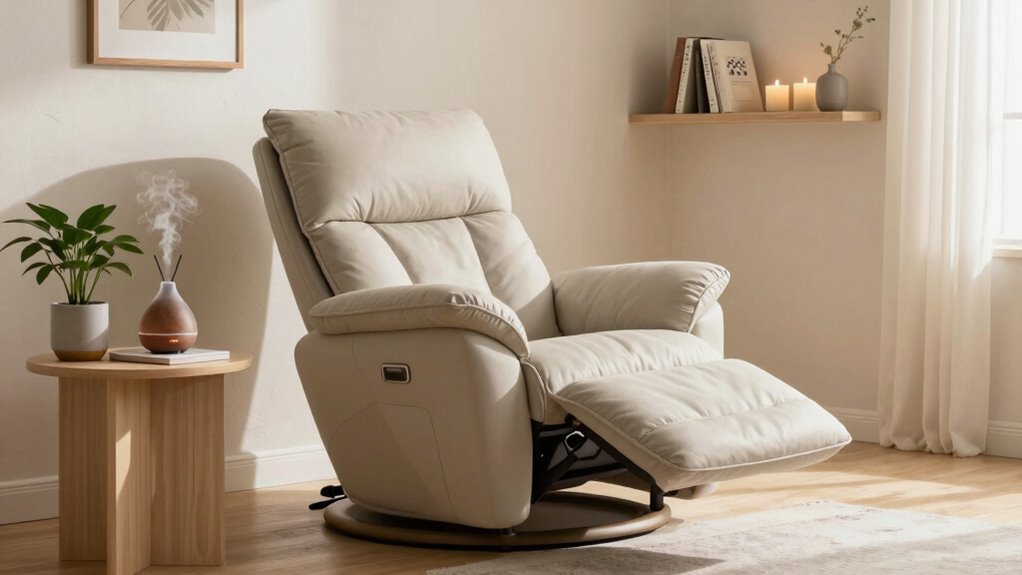
Recovery seating has become an essential element of home wellness routines, offering a comfortable and supportive environment for rest and rehabilitation. As more people prioritize health and self-care, having a dedicated space to relax and recover has gained importance. Recovery seating isn’t just about comfort; it’s about creating an environment that promotes healing and overall well-being. One of the key reasons these seats have become popular is their ergonomic design. You want a piece of furniture that supports your body’s natural contours, reducing strain on your muscles and joints. Whether you’re recovering from an injury, managing chronic pain, or simply seeking a cozy spot to unwind, ergonomic features guarantee that your seating promotes proper posture and minimizes discomfort. It’s not just about sitting; it’s about sitting smartly, so your body can recover more efficiently. Additionally, the ergonomic design often incorporates supportive features that enhance comfort during extended periods of use. Incorporating biodiversity-aware materials in recovery seating can also contribute to sustainable living practices by reducing environmental impact. Using eco-friendly materials not only benefits the planet but can also improve indoor air quality, supporting overall health. Incorporating sustainable design principles into recovery seating can further enhance its environmental benefits and promote a more holistic approach to wellness. Moreover, selecting furniture made from renewable resources ensures that your home wellness space remains environmentally responsible over time.
ergonomic recovery seating chair
As an affiliate, we earn on qualifying purchases.
As an affiliate, we earn on qualifying purchases.
Frequently Asked Questions
How Do Recovery Seats Differ From Traditional Sofas?
Recovery seats differ from traditional sofas by focusing on comfort and wellness. They often feature a sleek, space-saving design that fits easily into smaller areas, making them ideal for modern homes. Their aesthetic appeal combines style with functionality, providing gentle support for relaxation or recovery. Unlike bulky traditional sofas, recovery seats prioritize ergonomic comfort, helping you unwind and promote wellness without sacrificing your space or interior decor.
What Materials Are Best for Durability and Comfort?
You should choose recovery seating made from durable, eco-friendly materials like organic cotton, sustainably sourced wood, or recycled plastics. These materials offer aesthetic versatility, fitting seamlessly into various home styles while providing comfort. Eco-friendly options are not only better for the environment but also tend to last longer, ensuring your seating remains functional and attractive over time. Prioritize quality, sustainability, and style to get the most from your recovery seating.
Are Recovery Seats Suitable for All Ages?
Recovery seats are generally suitable for all ages, but you should consider age considerations and safety features. For children, look for seats with secure, supportive designs and non-slip bases. For seniors, choose models with ergonomic support and easy-to-stand features. Always check safety features like sturdy frames and stable bases to prevent accidents. By choosing age-appropriate recovery seating, you guarantee comfort and safety for everyone in your home.
How Often Should Recovery Seating Be Cleaned?
Think of your recovery seating as a trusted friend—regular cleaning keeps it welcoming and healthy. You should clean it at least once a week, or more often if used daily. Follow simple maintenance tips like wiping down surfaces with a damp cloth and checking for wear. By maintaining your recovery seat regularly, you guarantee it remains a cozy, safe haven for your wellness journey, ready whenever you need a moment of respite.
Can Recovery Seating Help With Specific Health Conditions?
Recovery seating can help with specific health conditions by promoting posture improvement and offering pain relief. When you use it regularly, it encourages proper spinal alignment, reducing discomfort caused by poor posture or musculoskeletal issues. Many users find that recovery seating alleviates back, neck, and shoulder pain, making daily activities easier. If you have specific health concerns, consulting a healthcare professional can help determine if recovery seating fits your needs.
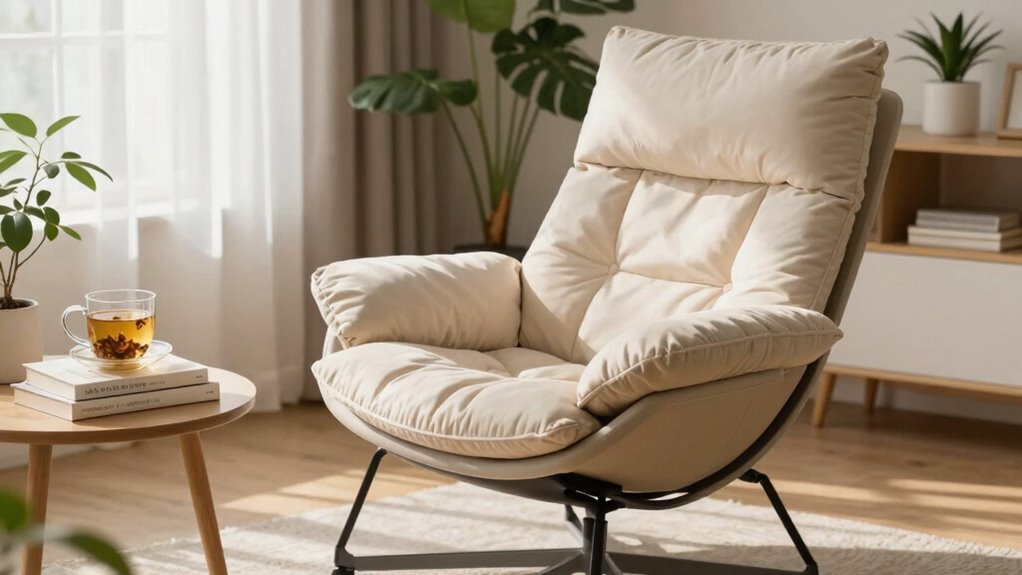
eco-friendly supportive lounge chair
As an affiliate, we earn on qualifying purchases.
As an affiliate, we earn on qualifying purchases.
Conclusion
As you embrace recovery seating in your home, you’re joining a growing movement toward holistic wellness. Research shows that over 60% of homeowners now prioritize wellness-focused furniture, highlighting its rising importance. By incorporating these pieces, you’re not just improving comfort—you’re actively supporting your health and well-being. Recovery seating isn’t just a trend; it’s a smart investment in your daily self-care. Make it a part of your home, and experience the benefits firsthand.
adjustable ergonomic recovery seat
As an affiliate, we earn on qualifying purchases.
As an affiliate, we earn on qualifying purchases.
As an affiliate, we earn on qualifying purchases.
Fall yard work Picks
leaf blowers
As an affiliate, we earn on qualifying purchases.