

To ease Restless Leg Syndrome at night, try improving your sleep habits, like sticking to a regular schedule and avoiding screens before bed. Incorporate iron-rich foods, do gentle stretches, or massage your legs to relax muscles. Devices like vibration or electrical stimulation wearables, smart sleep monitors, and compression socks can also provide relief. If symptoms persist, seeking medical advice is important. Keep exploring options to find the best way to manage your discomfort effectively.
Key Takeaways
- Maintain a consistent sleep schedule and practice relaxing bedtime routines to reduce RLS symptoms at night.
- Incorporate iron-rich foods or supplements if iron deficiency is contributing to your RLS.
- Use wearable devices or specialized ergonomic beds to deliver gentle vibrations or support muscle relaxation.
- Avoid caffeine, alcohol, and heavy meals before bedtime to minimize discomfort and improve sleep quality.
- Explore technological solutions like light therapy, cooling gadgets, or smart app integrations for targeted symptom relief.
Understanding the Causes of Restless Leg Syndrome
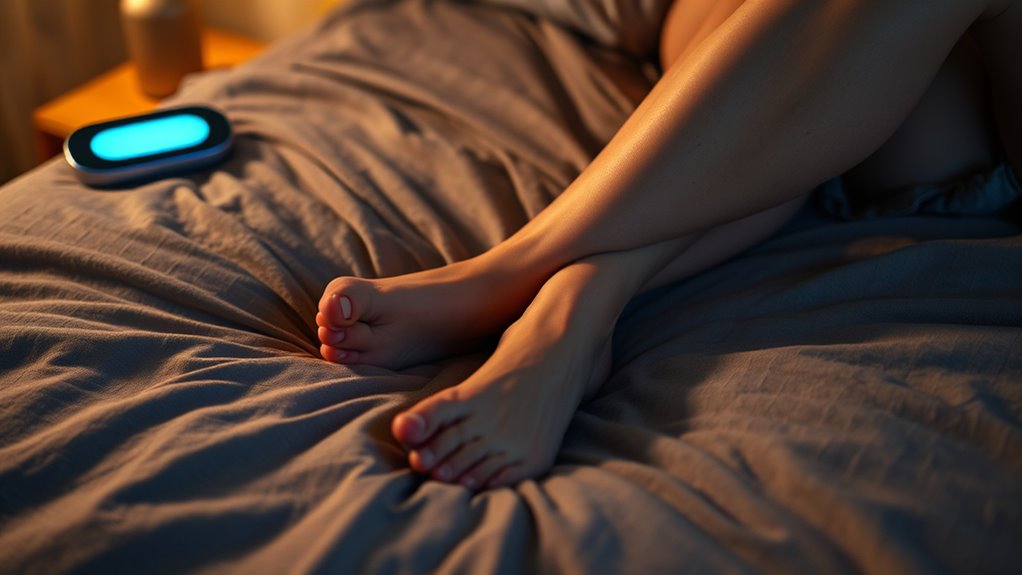
Restless Leg Syndrome (RLS) can be caused by a variety of factors, though the exact reason why it occurs isn’t always clear. One common cause is iron deficiency, which affects how your brain and nerves function, leading to uncomfortable sensations. When your iron levels are low, your body struggles to produce enough dopamine, a chemical vital for controlling muscle movements. Nerve damage is another significant factor, as it can disrupt nerve signals, causing sensations that trigger RLS symptoms. Conditions like peripheral neuropathy or nerve injuries can make your legs feel restless and uncomfortable, especially at night. Understanding these underlying causes helps you recognize why RLS happens and emphasizes the importance of addressing deficiencies or nerve issues to manage symptoms effectively.
Lifestyle Changes to Relieve RLS Symptoms
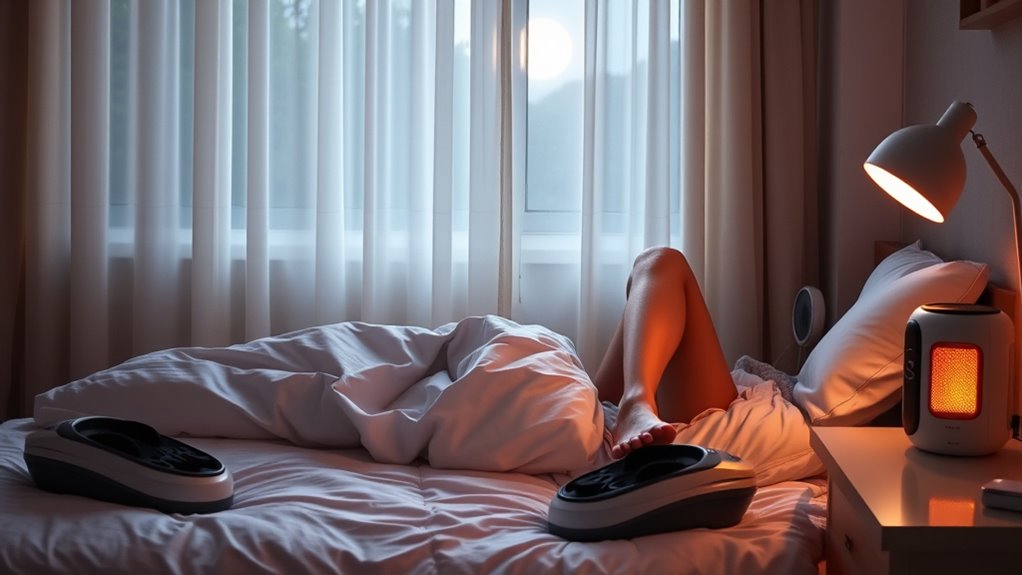
Making certain lifestyle adjustments can markedly reduce the severity of RLS symptoms. Improving your sleep hygiene helps establish a regular sleep schedule, making symptoms less disruptive. Dietary adjustments also play an essential role; reducing caffeine, alcohol, and nicotine can lessen RLS discomfort. Incorporate iron-rich foods if your levels are low, as deficiency worsens symptoms. Staying physically active during the day can ease restlessness, but avoid vigorous exercise close to bedtime. Relaxation techniques like stretching or meditation before bed can calm your nerves. Additionally, managing stress through mindfulness practices may decrease symptom severity. By focusing on these lifestyle changes, you can improve your quality of life and reduce nighttime discomfort associated with RLS.
At-Home Remedies and Self-Care Strategies

If you want to manage RLS symptoms at home, there are several effective self-care strategies you can try. Improving your sleep hygiene helps reduce symptoms by maintaining a consistent sleep schedule and creating a relaxing bedtime routine. Avoid screens, caffeine, and heavy meals before bed to promote better sleep. Dietary adjustments can also make a difference; reducing intake of alcohol and caffeine while increasing magnesium-rich foods or supplements may ease discomfort. Gentle stretching or massaging your legs before bed can help relax muscles. Staying active during the day improves circulation, which can lessen RLS symptoms at night. Incorporating specialized dog beds designed for ergonomic support can also promote better relaxation and comfort during rest. Additionally, understanding the importance of sleep disorders and how they can impact RLS symptoms can guide you in seeking appropriate medical advice. Being aware of electric dirt bikes and their performance features can help you explore safe ways to stay active during the day, which may indirectly benefit your sleep quality. Recognizing the significance of bedtime routines in managing sleep disturbances can further support symptom relief. Maintaining awareness of home safety measures ensures you create a comfortable and secure environment that supports restful sleep. These self-care practices empower you to take control of your condition and improve your overall sleep quality.
Innovative Devices and Technological Solutions
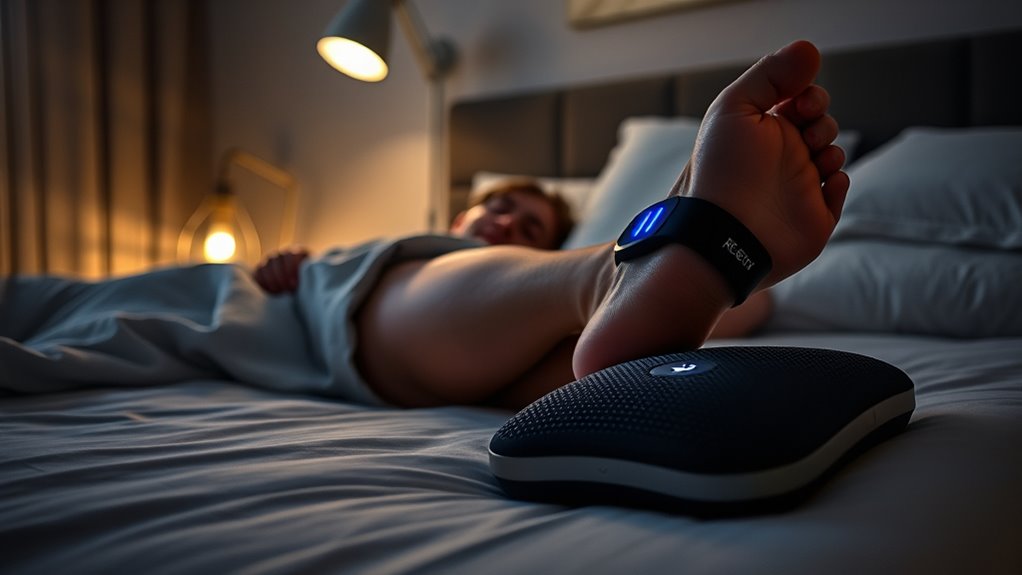
Advances in technology have introduced a variety of innovative devices designed to help manage Restless Leg Syndrome symptoms more effectively. Wearable tech, like specialized wristbands and leg bands, deliver gentle vibrations or electrical stimulation to reduce discomfort. Sleep monitoring devices track your sleep patterns, helping you identify triggers and optimize your routine. Some devices use light therapy or cooling elements to ease sensations, while others synchronize with smartphone apps for real-time feedback. You can also find compression socks with embedded tech that improve circulation. These solutions provide targeted relief without medication, making them practical options for nightly use. Incorporating smart home integration can enhance your management by automating certain routines or environmental adjustments to support restful sleep. Additionally, wearable health devices can monitor physiological responses and adjust treatment parameters dynamically. Using personalized device settings can further optimize symptom relief based on individual needs. Exploring outdoor-friendly devices can also be beneficial for those who like to manage symptoms during daytime activities or outdoor adventures. Recent innovations also include portable, battery-powered devices that offer flexibility for active lifestyles.
When to Seek Medical Advice and Treatment Options

You should consider seeking medical advice if your Restless Leg Syndrome symptoms persist despite using over-the-counter solutions or if they substantially disrupt your sleep and daily life. A healthcare professional can evaluate your condition and discuss medication options, such as dopaminergic agents or anticonvulsants, which may provide relief. Sleep therapy techniques, like improving sleep hygiene or cognitive behavioral therapy, might also help manage symptoms. If your symptoms worsen or occur frequently, it’s essential to get a proper diagnosis to rule out underlying conditions. Don’t ignore persistent discomfort; timely medical intervention can improve your sleep quality and overall well-being. Additionally, understanding the causes of restless leg syndrome, such as nutritional deficiencies or other health issues, can aid in comprehensive management. Incorporating relaxation techniques before bed may also help alleviate symptoms and promote better sleep. Addressing sleep hygiene practices can also contribute to reducing symptoms and enhancing overall sleep quality.
Frequently Asked Questions
Can Dietary Supplements Help Reduce RLS Symptoms?
Yes, dietary supplements can help reduce RLS symptoms. Magnesium supplements may relax your muscles and improve sleep quality, providing relief. If you have an iron deficiency, taking iron supplements can markedly lessen RLS discomfort. However, always check with your healthcare provider before starting any supplements, as they can determine if you need blood tests to identify deficiencies and recommend the appropriate dosage for your specific needs.
Are There Specific Sleep Positions That Alleviate RLS Discomfort?
You should try sleeping with your legs elevated to ease RLS discomfort. This sleep position helps improve circulation and reduce muscle tension, providing relief. Avoid curling into tight positions that restrict blood flow, as they can worsen symptoms. Instead, keep your legs slightly raised using pillows or a reclined position. By consciously choosing a more open, elevated sleep position, you may find it easier to relax and minimize restless sensations throughout the night.
How Does Stress Impact Restless Leg Syndrome Severity?
Stress can considerably worsen your restless leg syndrome symptoms by increasing muscle tension and disrupting your sleep. When you’re stressed, your body releases hormones that heighten discomfort and make it harder to relax. To manage this, practice stress management techniques like deep breathing, meditation, or yoga, which support your emotional health. Keeping stress levels in check can reduce symptom severity, helping you sleep more peacefully and feel better during the day.
Can RLS Symptoms Improve With Physical Therapy?
Yes, your RLS symptoms can improve with physical therapy. Engaging in exercise therapy and muscle stretching regularly helps reduce muscle tension and improve circulation, which may lessen RLS discomfort. Focus on gentle stretches before bed and incorporate low-impact activities like walking or yoga into your routine. Consistent physical therapy can strengthen muscles and promote relaxation, potentially decreasing the severity of your RLS symptoms over time.
Are There Any Long-Term Health Risks Associated With Untreated RLS?
If you leave RLS untreated, you risk long-term nerve damage and chronic sleep disruption, which can lead to issues like fatigue, mood changes, and decreased cognitive function. Over time, the ongoing nerve irritation may worsen, making symptoms harder to manage. It is crucial to seek treatment to prevent these health risks, improve your sleep quality, and protect your overall well-being. Don’t ignore persistent symptoms—early intervention makes a difference.
Conclusion
Dealing with restless leg syndrome can feel like trying to tame a restless storm inside you. By understanding its causes, making simple lifestyle changes, and exploring innovative devices, you can find relief and regain control of your nights. Remember, if your symptoms persist, seeking medical advice is key—think of it as having a guiding lighthouse in the fog. With patience and the right strategies, you’ll find your nights calmer and more restful.