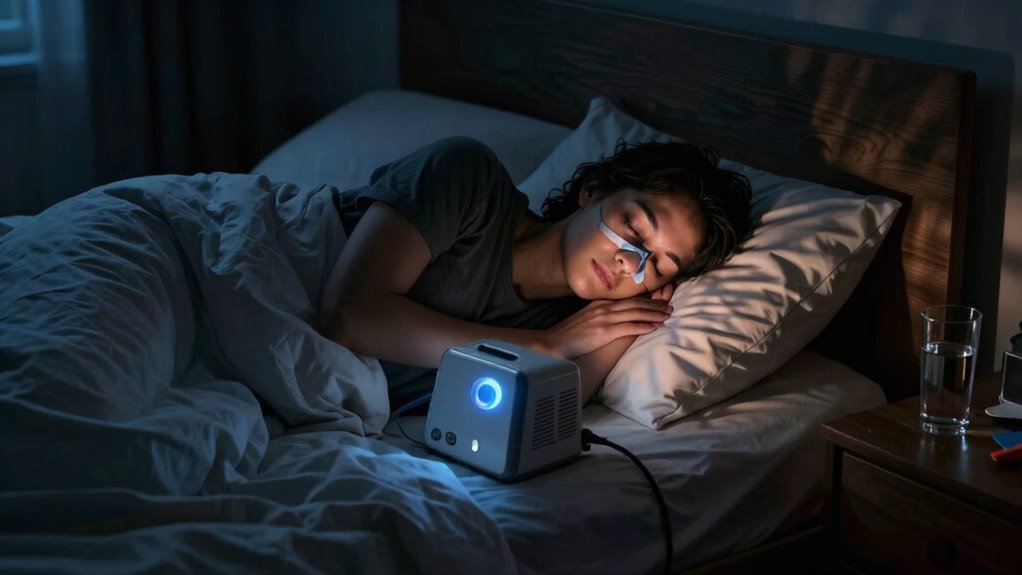

Sleep breathing problems at home need more attention because they greatly affect your health and daily life. If left unaddressed, they can cause tiredness, concentration issues, and long-term health risks like high blood pressure and diabetes. Improving your sleep environment and practicing breathing exercises can make a big difference. Taking steps early can protect your well-being, so keep going to discover ways you can better manage your sleep and breathing health effectively.

Get health and wellness essentials delivered free with Prime
- Fast, free delivery on millions of items
- Prime Video, Amazon Music and more included
- Member-only deals all year
Key Takeaways
- Early home intervention can prevent long-term health complications associated with sleep breathing issues.
- Creating a calm, comfortable sleep environment reduces triggers and improves breathing quality overnight.
- Regular breathing exercises strengthen respiratory muscles, enhancing airflow and reducing breathing disruptions at home.
- Addressing sleep breathing problems at home supports better energy, focus, and overall well-being.
- Consulting healthcare professionals ensures proper diagnosis and management of persistent or worsening issues.

Sleep breathing problems at home can substantially impact your quality of life, causing tiredness, difficulty concentrating, and even health issues over time. When your breathing doesn’t flow smoothly during sleep, it disrupts your rest and affects your daily functioning. Addressing these issues begins with understanding your sleep environment. A cluttered, noisy, or uncomfortable bedroom can worsen breathing difficulties. For example, a dusty mattress or pillows may trigger allergies, while excessive noise or bright lights can prevent you from reaching deep, restorative sleep. Creating a calm, clean, and comfortable sleep environment is essential. Keep your room cool, dark, and well-ventilated, and consider using air purifiers if allergies or dust are factors. These small adjustments can make a big difference in reducing respiratory strain during sleep.
A calm, clean, and comfortable sleep environment enhances breathing and quality rest.
Beyond environmental changes, incorporating breathing exercises into your nightly routine can help improve your breathing efficiency. Breathing exercises strengthen your respiratory muscles, promote better airflow, and encourage relaxation, which can be particularly helpful if you suffer from conditions like sleep apnea or snoring. Techniques such as diaphragmatic breathing or paced breathing help you control your breath and reduce episodes of shallow or irregular breathing. When practiced regularly, these exercises can lower stress levels, ease tension in your airway, and promote a steadier breathing pattern throughout the night. The key is consistency; dedicating just a few minutes before bed to focus on controlled, deep breaths can gradually improve your respiratory health.
It’s also important to recognize that sleep breathing problems are not something to ignore. Chronic disrupted sleep can lead to serious health concerns, including high blood pressure, cardiovascular issues, and even diabetes. The sooner you address these issues at home, the better your long-term health prospects. Implementing a good sleep environment and practicing breathing exercises aren’t cures on their own, but they’re vital first steps. Understanding sleep environment factors and how they influence breathing can help you make targeted improvements that promote better sleep quality. Additionally, being aware of potential air quality issues in your home can help you identify additional factors that impact your breathing during sleep. If your breathing issues persist or worsen, consulting a healthcare professional is crucial. They can identify underlying causes and recommend treatments such as CPAP therapy or other interventions.
Furthermore, understanding sleep environment factors and how they influence breathing can help you make targeted improvements that promote better sleep quality. In the end, your sleep environment and daily habits play a significant role in managing sleep breathing problems. By making your bedroom more conducive to restful sleep and actively working on breathing techniques, you take control of your health. Prioritize your sleep, and over time, you’ll notice improvements in your energy levels, concentration, and overall well-being.
As an affiliate, we earn on qualifying purchases.
Frequently Asked Questions
Can Sleep Breathing Issues Cause Long-Term Health Problems?
Yes, sleep breathing issues can cause long-term health problems. When your breathing patterns are disrupted, it impacts your sleep quality, leading to fatigue and other health issues. Poor sleep impacts your immune system, heart health, and mental clarity. Over time, untreated sleep breathing problems can increase risks for high blood pressure, diabetes, and even stroke. Addressing these issues early helps maintain your overall health and guarantees better long-term well-being.
How Can I Differentiate Between Snoring and Sleep Apnea?
You can differentiate snoring from sleep apnea by observing snoring patterns and apnea symptoms. Snoring is usually regular and less disruptive, while sleep apnea causes pauses in breathing, leading to loud, irregular snoring followed by choking or gasping. If you notice apnea symptoms like daytime fatigue, morning headaches, or restless sleep, it’s a sign to consult a healthcare professional for proper diagnosis and treatment.
Are Children at Higher Risk for Sleep Breathing Problems?
Yes, children are at a higher risk for sleep breathing problems, which can profoundly impact their development. You might notice their growth slowing or behavior changing unexpectedly. Parental awareness is vital, as early detection can prevent long-term issues. Sleep breathing issues can feel like a hurricane in your child’s health, but with attentive observation and timely intervention, you can help protect their overall well-being and growth.
What Home Remedies Can Improve Sleep Breathing Quality?
You can improve sleep breathing quality with natural remedies and lifestyle changes. Try elevating your head while sleeping to open airways, and incorporate humidifiers to reduce dryness. Avoid allergens and irritants in your environment. Practice regular exercise to strengthen your respiratory system, and establish a consistent sleep schedule. These simple steps can boost airflow and reduce breathing issues naturally, helping you sleep more soundly and breathe easier at night.
When Should I See a Doctor About Sleep Breathing Concerns?
Think of your sleep as a delicate bridge—when it creaks or sways, you should see a doctor. If you notice persistent snoring, gasping, or daytime fatigue despite practicing good sleep hygiene and breathing exercises, it’s time to seek professional help. Don’t wait until sleep problems become a nightly storm. A healthcare provider can evaluate underlying issues and recommend treatments to restore your restful nights and safe breathing.
As an affiliate, we earn on qualifying purchases.
Conclusion
If you ignore sleep breathing problems at home, you’re letting a silent storm brew beneath your roof, quietly threatening your well-being. Like a thief in the night, they steal your rest and essential energy, leaving you drained and vulnerable. But by paying attention and taking action, you can tame this hidden tempest, restoring peace to your nights and sunlight to your days. Don’t let these silent shadows rule — it’s time to shine a light and reclaim your restful throne.
As an affiliate, we earn on qualifying purchases.
sleep environment improvement products
As an affiliate, we earn on qualifying purchases.
As an affiliate, we earn on qualifying purchases.
Halloween Picks
halloween
As an affiliate, we earn on qualifying purchases.