
TL;DR

Get health and wellness essentials delivered free — and shop member deals
- Fast, free delivery on millions of items
- Access to Prime Big Deal Days deals on October 6–7
- Prime Video, Amazon Music and more included
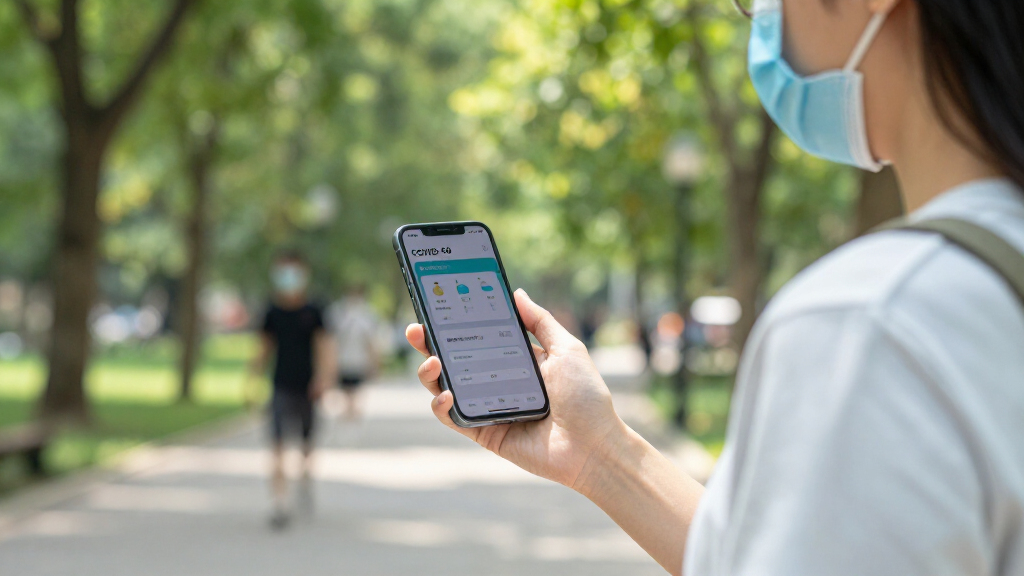
COVID-19 cases are increasing across the United States this summer, marking a notable surge. Health authorities are tracking the rise, which could impact public health measures and hospital capacity.
COVID-19 case numbers are rising across the United States this summer, marking a notable surge that has prompted health officials to increase surveillance and prepare for potential impacts on hospitals and public health policies. The increase is confirmed by recent CDC reports and comes amid ongoing vaccination efforts and the emergence of new variants.
The Centers for Disease Control and Prevention (CDC) reported a 20% increase in weekly COVID-19 cases nationwide over the past month, with certain states experiencing even higher rises. Hospitalizations related to COVID-19 have also increased by approximately 15%, according to data from the Department of Health and Human Services (HHS).
Officials attribute the surge partly to increased social activity during summer months, the spread of newer variants, and waning immunity among some populations. Vaccination rates remain uneven across states, with some areas showing resistance or low booster uptake.
Health authorities emphasize that the situation remains fluid, with ongoing efforts to promote booster shots, reinforce public health guidelines, and prepare healthcare facilities for potential increases in patient load. No new variant has been definitively linked to the surge, but officials are monitoring for any mutations that could impact transmissibility or severity.
Implications for Public Health and Policy
This summer COVID surge underscores the ongoing challenge of managing the pandemic as immunity wanes and new variants emerge. The rise in cases could strain hospitals, influence policy decisions on mask mandates and social distancing, and impact vaccination campaigns. For the public, it highlights the importance of staying updated on booster shots and following health guidance to mitigate spread.As an affiliate, we earn on qualifying purchases.
Recent Trends and Past Summer Surges
Historically, summer months have seen fluctuating COVID-19 case numbers, often influenced by increased travel, gatherings, and outdoor activities. Last year, a similar surge prompted renewed public health advisories and booster campaigns. While vaccines have reduced severe outcomes, variants like Delta and Omicron have demonstrated the virus’s ability to adapt, leading to periodic surges.
Earlier this year, health officials noted a decline in cases following winter peaks, but recent data indicates a resurgence, highlighting the virus’s persistent threat and the need for ongoing vigilance.
“We are seeing an uptick in cases, which reminds us that COVID-19 remains a threat. Vaccination and booster shots are crucial to controlling the spread.”
— Dr. Rochelle Walensky, CDC Director
As an affiliate, we earn on qualifying purchases.
Unclear Impact of New Variants and Long-Term Trends
It is not yet clear whether the current surge is driven by specific new variants or if it will lead to sustained increases over the coming months. The effectiveness of booster campaigns and public adherence to health guidelines remain variable across regions, making future trends unpredictable.
As an affiliate, we earn on qualifying purchases.
Monitoring, Vaccination Campaigns, and Policy Responses
Health officials will continue to monitor case data closely, with updates expected in the coming weeks. Efforts to promote booster vaccinations are expected to intensify, and some regions may consider reinstating or maintaining mask mandates and other public health measures if the surge worsens. Researchers are also studying the virus’s evolution to anticipate future developments.
vitamin D supplements for immunity
As an affiliate, we earn on qualifying purchases.
As an affiliate, we earn on qualifying purchases.
Key Questions
What is causing the summer COVID surge?
The surge is likely due to increased social activity, waning immunity, and the spread of newer variants, though no single cause has been confirmed.
Are vaccines still effective against the current surge?
Yes, vaccines, especially with booster shots, continue to provide strong protection against severe illness, hospitalization, and death, though their effectiveness against infection may vary.
Should I wear a mask or take other precautions?
Health officials recommend following local guidance, which may include mask-wearing, especially in crowded or indoor settings, and staying up to date with vaccinations and boosters.
Will there be new restrictions or policies?
Policy responses depend on the trajectory of the surge; some regions may reinstate or maintain public health measures if case numbers continue to rise significantly.
What should I do if I experience symptoms?
If you develop COVID-19 symptoms, get tested promptly, isolate, and consult healthcare providers for guidance on treatment and care.
Source: google-trends
Halloween Picks
halloween
As an affiliate, we earn on qualifying purchases.