
TL;DR

Get health and wellness essentials delivered free with Prime
- Fast, free delivery on millions of items
- Prime Video, Amazon Music and more included
- Member-only deals all year
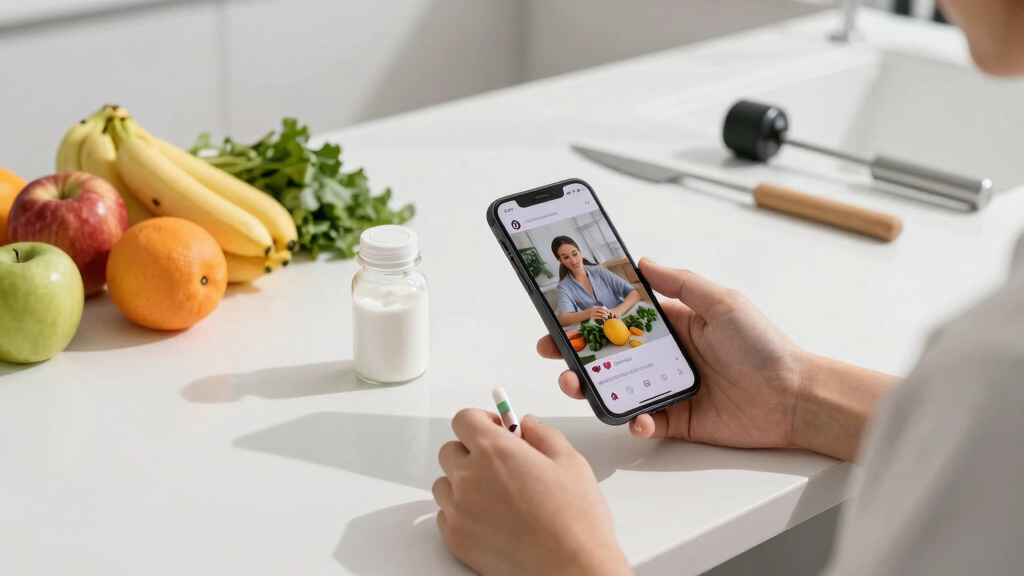
An increasing number of individuals are obtaining health advice from TikTok and Instagram. While this trend offers accessible information, concerns remain about accuracy and safety. Experts are evaluating the implications for public health.
More people are increasingly relying on TikTok and Instagram for health advice, raising questions about the accuracy and safety of the information they receive. This trend matters because it influences health decisions for millions, with potential impacts on public health outcomes.
Recent surveys and studies indicate a significant rise in social media platforms, especially TikTok and Instagram, as sources of health information. According to a report from Pew Research Center, nearly 40% of adults who seek health advice have used social media for this purpose in 2024, with younger demographics leading this trend. Health influencers and content creators often share tips, personal stories, and sometimes medical advice, which can be both helpful and misleading.
Medical experts warn that while social media offers accessible health information, it lacks the rigorous review process of traditional medical sources. The American Medical Association has issued statements cautioning users to verify information and consult healthcare professionals directly. Some platforms are implementing measures to flag or remove false health claims, but enforcement remains inconsistent.
Why It Matters
This trend is significant because it reshapes how health information is disseminated and consumed, potentially affecting health behaviors and outcomes. Misinformation can lead to harmful practices or delay in seeking professional care. Conversely, social media can increase awareness and engagement among underserved populations. The balance between accessible information and accurate guidance is critical for public health.
As an affiliate, we earn on qualifying purchases.
Background
The use of social media for health advice has grown alongside broader digital health trends. Historically, people relied on doctors, traditional media, and official health agencies. The rise of platforms like TikTok and Instagram has democratized information sharing but also introduced challenges related to misinformation. Previous studies have shown that health-related content on TikTok, in particular, has surged since 2022, with influencers often sharing personal experiences that resonate with viewers.
“While social media can be a valuable tool for health education, it is crucial that users verify information and consult qualified healthcare providers for personalized advice.”
— Dr. Lisa Moreno, public health expert
“Nearly 40% of adults seeking health advice have used TikTok or Instagram for health information, highlighting the platform’s growing influence.”
— Pew Research Center report, 2024
“Platforms must do more to combat misinformation and ensure users can access reliable health content.”
— American Medical Association
health misinformation fact-checker
As an affiliate, we earn on qualifying purchases.
As an affiliate, we earn on qualifying purchases.
What Remains Unclear
It remains unclear how much influence social media health advice has on actual health outcomes or whether misinformation significantly impacts public health. The effectiveness of platform interventions to curb false information is also still being evaluated.
As an affiliate, we earn on qualifying purchases.
What’s Next
Health authorities and social media platforms are expected to enhance efforts to verify content and promote credible sources. Future research will likely focus on measuring the impact of social media health advice on behaviors and health outcomes, as well as developing better regulation and educational tools for users.
telemedicine consultation device
As an affiliate, we earn on qualifying purchases.
As an affiliate, we earn on qualifying purchases.
Key Questions
Is health advice from TikTok and Instagram reliable?
Not always. While some content is accurate and helpful, much is unverified or misleading. Users should verify information with healthcare professionals.
Risks include adopting harmful practices, delaying professional treatment, or believing false claims, which can negatively impact health.
Look for content from verified accounts, check for references to reputable sources, and consult healthcare providers for personalized advice.
Are platforms doing enough to prevent misinformation?
Platforms are implementing measures like content moderation and fact-checking, but enforcement remains inconsistent and ongoing improvements are needed.
Cold & flu season Picks
humidifiers
As an affiliate, we earn on qualifying purchases.