
Hypnic jerks happen when your muscles suddenly twitch as you’re falling asleep, usually because your nervous system reacts to the change from wakefulness to sleep. They’re common and often harmless, but stress, caffeine, irregular sleep schedules, or poor sleep hygiene can make them more frequent. If they keep waking you or seem intense, it might be linked to sleep issues like insomnia or sleep apnea. Keep going to learn more about how to reduce these jerks.
Listen free for 30 days with Audible
Thousands of audiobooks and originals — cancel anytime.
As an affiliate, we earn on qualifying purchases.
Key Takeaways
- Hypnic jerks are involuntary muscle twitches that occur as you transition into sleep, often causing you to jerk awake.
- They are a common, usually harmless phenomenon linked to relaxation and the body’s natural sleep process.
- Factors like stress, fatigue, caffeine, or irregular sleep schedules can increase the likelihood of hypnic jerks.
- Poor sleep hygiene and underlying sleep disorders such as insomnia or sleep apnea may also trigger these jerks.
- Improving sleep habits, managing stress, and creating a calming bedtime routine can help reduce the frequency of hypnic jerks.
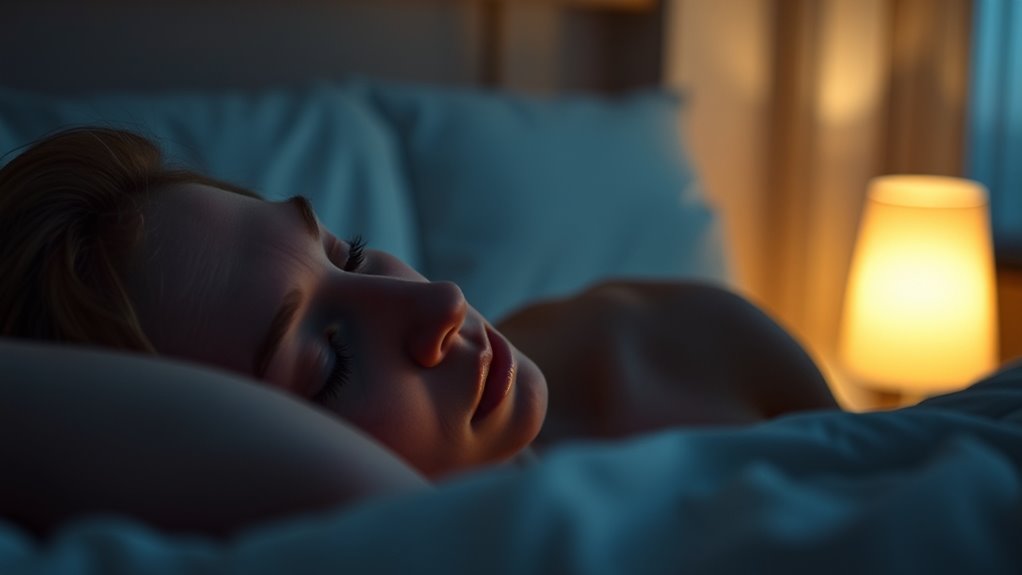
Have you ever experienced a sudden, jarring muscle twitch just as you’re falling asleep? That involuntary jolt, often waking you up briefly, is known as a hypnic jerk. It’s a common phenomenon that can catch you off guard, especially when you’re eager to drift into a restful sleep. While harmless for most, these jerks can sometimes be linked to issues with sleep hygiene or underlying sleep disorders. Understanding what triggers them can help you reduce their frequency and improve your overall sleep quality.
Sleep hygiene plays a *vital* role in preventing hypnic jerks. Good sleep hygiene involves establishing a consistent sleep schedule, avoiding caffeine or heavy meals before bedtime, and creating a calming sleeping environment. When your body is well-rested and your nervous system isn’t overstressed, you’re less likely to experience sudden muscle twitches. On the other hand, poor sleep hygiene—such as irregular sleeping hours, exposure to screens late at night, or high stress levels—can make your body more prone to these jerks. If you’re not getting enough restorative sleep, your nervous system may become more reactive, increasing the likelihood of hypnic jerks occurring as you *shift* into sleep.
Sometimes, hypnic jerks are linked to sleep disorders like insomnia, sleep apnea, or restless leg syndrome. These conditions interfere with your natural sleep cycle, making your body more susceptible to sudden awakenings and muscle twitches. For example, sleep apnea causes brief pauses in breathing, which can disrupt your sleep and trigger muscle contractions. Restless leg syndrome involves uncomfortable sensations in the legs that often worsen as you try to fall asleep, leading to involuntary movements. If you notice that your hypnic jerks are frequent, intense, or accompanied by other sleep disturbances, it’s wise to consult a healthcare professional. Proper diagnosis and treatment of underlying sleep disorders can *substantially* reduce these episodes and improve your sleep quality.
Managing hypnic jerks often involves addressing both lifestyle and health factors. Improving sleep hygiene is usually the first step—establishing a relaxing bedtime routine, keeping your bedroom cool and dark, and avoiding stimulants in the evening can help. If you suspect a sleep disorder, a sleep study or medical evaluation might be necessary to identify specific issues. In some cases, relaxation techniques like deep breathing, meditation, or gentle stretching before bed can calm your nervous system and minimize muscle twitches. Additionally, understanding the role of stress and how it impacts your nervous system can help you develop better coping strategies. Remember, occasional hypnic jerks are normal, but persistent or disruptive episodes warrant attention to *make sure* they’re not symptoms of a larger sleep problem. By taking proactive steps, you can reduce these sudden jolts and enjoy more peaceful nights.
As an affiliate, we earn on qualifying purchases.
Frequently Asked Questions
Are Hypnic Jerks More Common in Certain Age Groups?
You might notice hypnic jerks are more common during teenage sleep due to age-related changes in sleep patterns and increased stress. As you age, the frequency of these jerks tends to decrease, but young adults and teenagers often experience them more frequently. These involuntary movements are usually harmless but can be more noticeable during periods of heightened fatigue or irregular sleep schedules, especially in teens steering busy lives.
Do Medications Influence the Frequency of Hypnic Jerks?
Medications, including sleep aids, can influence how often you experience hypnic jerks. Some drugs may increase muscle activity or alter sleep patterns, making jerks more frequent. Conversely, others might suppress them by promoting deeper, more stable sleep. If you notice a change in hypnic jerk frequency after starting new medications, consult your healthcare provider to discuss potential medication effects on your sleep.
Can Hypnic Jerks Indicate Underlying Health Issues?
Think of hypnic jerks as warning bells; they can signal underlying health issues. While most are harmless, frequent or intense jerks might point to medical conditions like sleep disorders or neurological issues. For example, if you notice sudden, persistent jerks, it could indicate a need to consult a healthcare professional, as these signs sometimes reflect underlying problems that require diagnosis and treatment. Stay attentive to your body’s signals.
How Can I Reduce the Occurrence of Hypnic Jerks?
To reduce hypnic jerks, improve your sleep hygiene by sticking to a consistent sleep schedule and creating a relaxing bedtime routine. Incorporate relaxation techniques like deep breathing, meditation, or gentle stretching before bed to calm your mind and body. Avoid caffeine and screens close to bedtime, and make certain your sleep environment is comfortable. These strategies help ease your shift into sleep, decreasing the likelihood of experiencing hypnic jerks.
Are Hypnic Jerks Linked to Dreams or Sleep Stages?
Hypnic jerks are linked to sleep stages and dream correlation, influencing when you might experience them. As you shift into lighter sleep, especially during REM, your body’s relaxation and dream activity can trigger these sudden jerks. You might notice more jerks when dreams become vivid or intense. Understanding this connection helps you see how sleep stages and dream states intersect, making your sleep smoother and more restful.
As an affiliate, we earn on qualifying purchases.
Conclusion
So, when sleep suddenly shudders with a swift snap or a startling jerk, remember it’s a common, harmless hiccup in your nightly journey. Hypnic jerks happen as your body shifts from wakefulness to sleep, a natural nocturnal nudge. Don’t dread these delicate disturbances; instead, delight in knowing they’re a part of the peaceful process. Embrace these brief, benign bursts, and soon, serenity settles, sending you smoothly into a silent, soothing slumber.
As an affiliate, we earn on qualifying purchases.
As an affiliate, we earn on qualifying purchases.
Evergreen bestsellers Picks
bestsellers
As an affiliate, we earn on qualifying purchases.