If you want to sleep well, avoid drinking coffee late in the day, as caffeine’s effects can last 4 to 6 hours or longer, depending on your metabolism. Consuming it in the afternoon or evening may disrupt your sleep cycle, making it harder to fall asleep or stay asleep. To learn more about timing and tips for savoring coffee without hurting your rest, keep exploring this guide.
Key Takeaways
- Caffeine’s effects can last 4 to 6 hours, so avoid drinking it late in the afternoon or evening.
- Consuming caffeine too late can disrupt sleep cycles and reduce sleep quality.
- Individual factors like metabolism and sensitivity influence how late is too late for coffee.
- Older adults process caffeine more slowly, increasing the risk of sleep disturbance from late intake.
- To prevent sleep disruption, limit caffeine consumption after mid-afternoon and opt for decaffeinated options later in the day.
How Caffeine Interacts With Your Body and Sleep Cycles

Caffeine works by blocking adenosine receptors in your brain, which are responsible for making you feel sleepy. When caffeine binds to these receptors, it prevents adenosine from activating them, disrupting your body’s natural sleep signals. This interference affects your metabolic pathways, as adenosine plays a role in energy regulation and promoting sleepiness. By inhibiting these pathways, caffeine increases alertness and reduces fatigue temporarily. Your brain perceives heightened activity, making it harder to feel tired even when your body needs rest. Over time, this interaction can impact your sleep cycles, especially if consumed later in the day. Recognizing the timing of caffeine consumption is crucial in minimizing its disruptive effects on your sleep patterns. Being aware of how caffeine affects your sleep architecture can help you make better choices for healthier rest. Additionally, understanding the metabolic effects of caffeine can shed light on how it influences energy levels and sleep quality over the long term. Consuming caffeine too close to bedtime can also interfere with your circadian rhythms, leading to poorer sleep quality and difficulty falling asleep.
The Duration of Caffeine’s Effects on Sleep

The effects of caffeine on your sleep can last for several hours, depending on various factors such as your metabolism, age, and the amount consumed. Caffeine metabolism varies from person to person, influencing how quickly your body clears caffeine. Typically, its stimulant effects may persist for 4 to 6 hours, leading to potential sleep disruption if consumed late in the day. To understand this better, consider the following:
| Factor | Effect on Caffeine Duration | Impact on Sleep Disruption |
|---|---|---|
| Metabolism Rate | Faster metabolism shortens effects | Less sleep disruption |
| Age | Older adults process slower | Increased sleep disruption |
| Caffeine Dose | Higher intake prolongs effects | Greater sleep disruption |
| Time of Consumption | Later intake extends effects | Higher risk of sleep issues |
Additionally, Free Floating caffeine in your system can unpredictably affect sleep quality, emphasizing the importance of mindful consumption timing. Recognizing metabolic differences among individuals can help tailor caffeine intake to minimize sleep disturbances, especially when considering personal factors that influence caffeine metabolism. Understanding the pharmacokinetics of caffeine can also aid in planning consumption to reduce interference with sleep cycles, as individual variability plays a significant role in its impact.
Factors That Influence How Long Caffeine Affects You
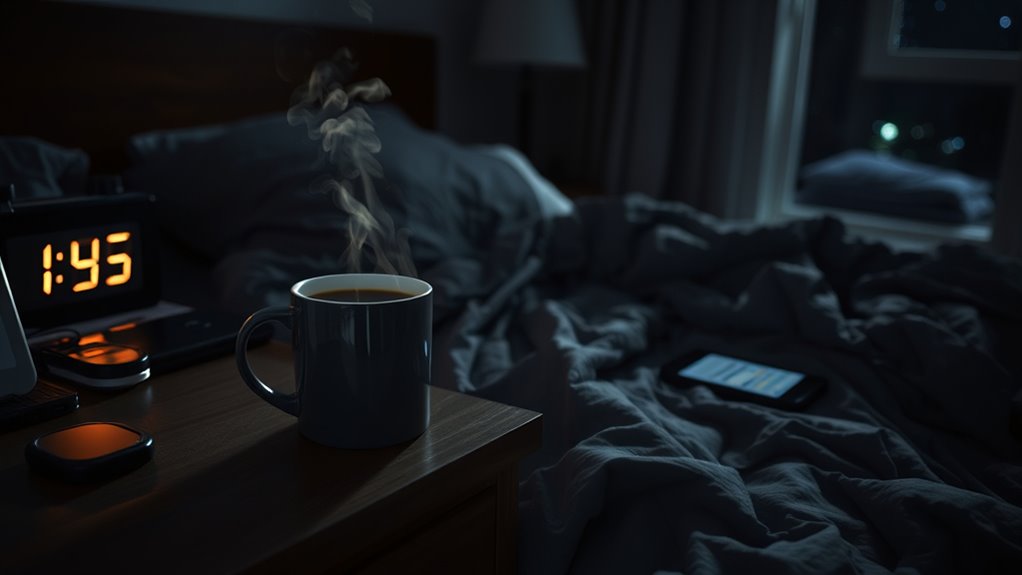
How long caffeine affects you depends on several personal factors that influence how quickly your body processes it. One key factor is caffeine tolerance; if you regularly consume coffee, your body may become less responsive, causing caffeine’s effects to wear off sooner. Conversely, infrequent drinkers often feel its impact longer. Genetic differences also play a significant role—some people metabolize caffeine faster due to their genetic makeup, leading to a shorter duration of effects. Others process it more slowly, experiencing heightened alertness and disrupted sleep for extended periods. Age, body weight, liver health, and even certain medications can further influence caffeine’s duration in your system. Additionally, filtering and pump protection in your equipment can affect the consistency of your caffeine-related routines, ensuring smooth operation during late-night coffee brewing. Understanding these factors helps you better gauge when to cut off caffeine to avoid interfering with your sleep. Recognizing your metabolism rate can help you tailor your caffeine intake to suit your individual response, especially considering how caffeine clearance varies among different people. Moreover, lifestyle habits such as exercise and diet may also impact how quickly your body processes caffeine.
Signs That It’s Too Late to Drink Coffee

Knowing when it’s too late to drink coffee can save you from sleepless nights. If you notice any of these signs, it’s probably too late to have that cup:
- You’re already feeling restless or jittery, indicating caffeine’s effects are peaking.
- It’s late in the afternoon or evening, and your sleep schedule is at risk. Instead, consider decaffeinated alternatives to satisfy your craving without disrupting rest.
- You’re struggling to fall asleep or waking up frequently, which suggests your morning caffeine intake has lingered too long.
- Being aware of individual caffeine sensitivity can help you better determine the optimal cutoff time for your coffee intake to ensure restful sleep. Understanding how metabolism of caffeine varies among individuals can further personalize your caffeine consumption habits.
Pay attention to your body’s signals. If you’re sensitive, avoid caffeine past a certain hour to protect a good night’s sleep. Additionally, knowing your sleep cycle can guide your caffeine timing to prevent interference with your rest.
Tips for Enjoying Coffee Without Disrupting Rest
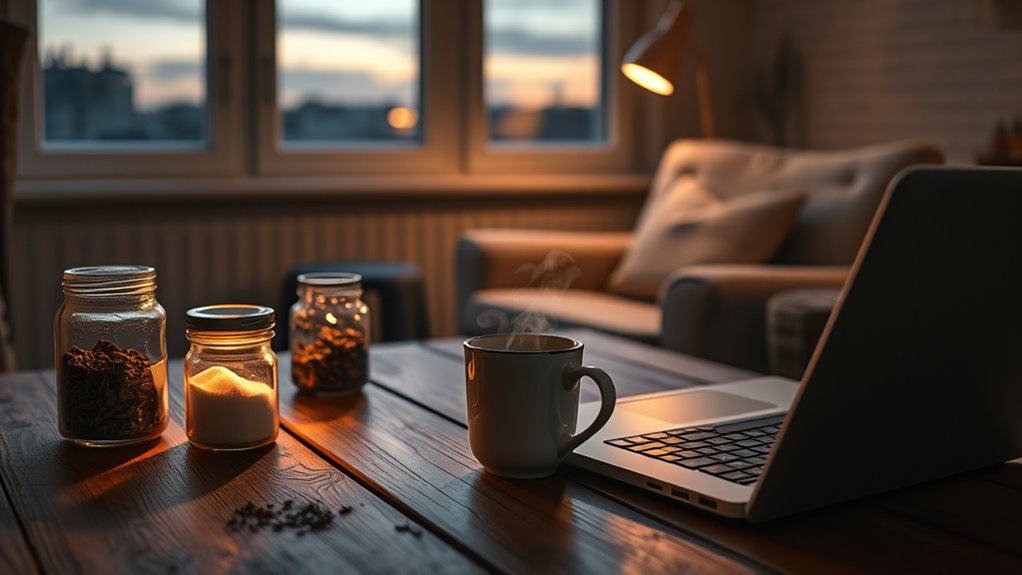
To enjoy your coffee without disrupting your sleep, timing is everything. Establishing good coffee habits involves limiting caffeine intake after a certain hour, usually mid-afternoon. Be mindful of your sleep hygiene by creating a relaxing pre-sleep routine, avoiding screens, and keeping your bedroom dark and cool. If you crave coffee later in the day, opt for decaffeinated versions or herbal teas to satisfy your taste without caffeine’s stimulant effects. Spread out your coffee consumption evenly throughout the day to prevent spikes and crashes. Remember, consistency helps your body adjust, so stick to a routine that promotes restful sleep. Additionally, understanding how home energy management impacts your alertness and sleep can help you make more informed choices about caffeine consumption. Being aware of sleep hygiene practices can further enhance your ability to enjoy coffee without sacrificing quality rest.
Frequently Asked Questions
How Does Individual Genetics Affect Caffeine Metabolism?
Your genetics considerably influence caffeine metabolism through genetic variation in liver enzymes, particularly CYP1A2. If you have a fast-metabolizing gene, caffeine clears quickly, so you can enjoy coffee later in the day without disrupting sleep. Conversely, if you carry a slow-metabolizing gene, caffeine lingers longer, making late consumption more likely to interfere with your rest. Understanding your genetic makeup helps you manage your caffeine intake better.
Can Decaffeinated Coffee Still Impact Sleep Quality?
Decaffeinated coffee can still impact your sleep quality, as it contains trace amounts of caffeine that might affect sensitive individuals. Even small quantities can cause trouble falling asleep or reduce sleep duration, especially if you drink it later in the day. You should monitor how decaffeinated impact your sleep, and consider avoiding it close to bedtime if you notice sleep disturbances.
Are There Age-Related Differences in Caffeine Sensitivity?
Imagine a young tree that quickly absorbs sunlight, just like younger individuals have higher caffeine sensitivity. As you age, your caffeine tolerance tends to increase, meaning you might need more to feel the same boost, while age-related sensitivity decreases. So, your body’s response to caffeine changes over time, affecting how late you can drink coffee without disrupting sleep. Adjusting intake based on age helps maintain balance and restful nights.
How Do Different Types of Caffeine Sources Vary in Sleep Disruption?
Different caffeine sources vary in how they affect your sleep due to differences in caffeine absorption. Coffee, energy drinks, and tea release caffeine at varying speeds, influencing how long they disrupt your sleep cycle. Coffee often causes the most sleep cycle disruption because of its higher caffeine content and rapid absorption, making it harder to fall asleep if consumed late. Be mindful of the source and timing to protect your sleep quality.
What Are the Long-Term Health Effects of Late-Night Caffeine Intake?
Late-night caffeine intake can lead to long-term health issues like caffeine addiction and chronic sleep disruption. When you regularly consume caffeine late, you risk developing dependence, making it harder to sleep without it. Over time, poor sleep quality can cause problems like weakened immune function, weight gain, and mood disorders. To protect your health, limit caffeine after early afternoon and prioritize consistent, restorative sleep.
Conclusion
Ultimately, finding the right balance between your love for coffee and restful sleep is a delicate dance. By tuning into your body’s whispers and timing your caffeine intake thoughtfully, you can savor your favorite brew without letting it overshadow your nights. Remember, a gentle approach to caffeine—like a soft sunset—can help you enjoy the warmth without dimming the dawn of your mornings. Trust your instincts, and let harmony guide your daily rhythm.