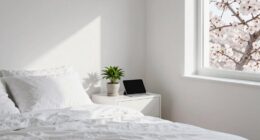
Creating sensory calm at home has become a serious wellness goal because we realize how essential a balanced sensory environment is for managing stress and promoting mental health. Small changes like adjusting lighting, adding calming scents, or using natural textures can shift your space into a sanctuary of relaxation. As awareness grows about the impact of sensory experiences, more people are prioritizing personalized spaces that foster safety and resilience. Keep exploring to discover how you can transform your home into a calming haven.

Get health and wellness essentials delivered free — and shop member deals
- Fast, free delivery on millions of items
- Access to Prime Big Deal Days deals on October 6–7
- Prime Video, Amazon Music and more included
Key Takeaways
- Increasing awareness of stress’s impact led to prioritizing sensory environments for mental health at home.
- The rise of personalized wellness routines emphasizes tailored sensory tools and calming techniques.
- Natural elements and connection to nature are integrated to enhance sensory comfort and emotional well-being.
- Small, intentional home adjustments aim to proactively prevent overstimulation and promote resilience.
- Evolving understanding of sensory needs fosters the development of dedicated wellness spaces for relaxation.
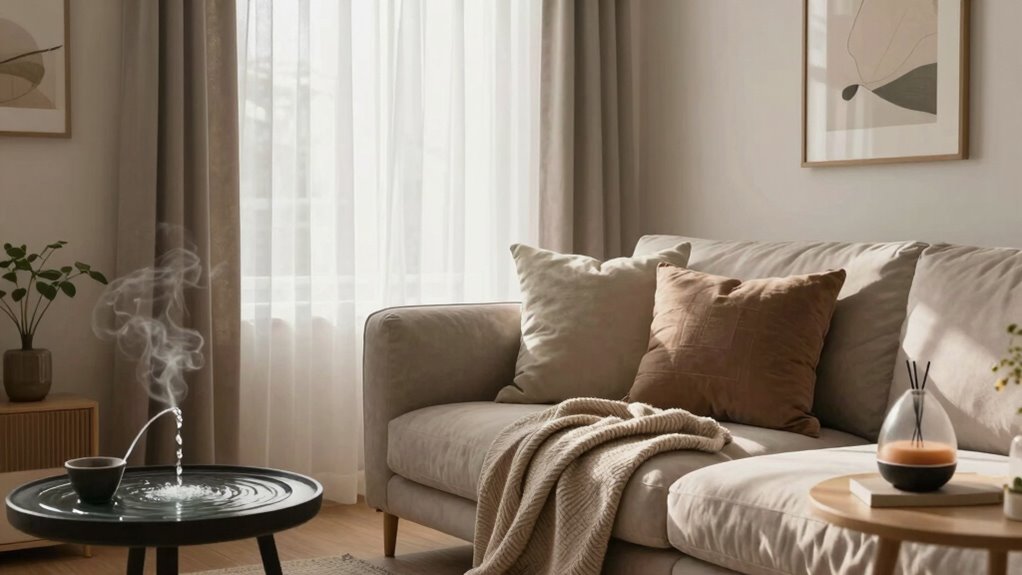
Creating a sensory calm environment at home can profoundly boost your overall well-being. As you prioritize your mental health and daily comfort, you realize that designing spaces with sensory environments in mind helps you manage stress more effectively. Sensory environments, which focus on engaging your senses in a balanced way, have become an essential part of wellness routines. You start exploring calming techniques that tailor your surroundings to soothe your mind and body, making your home a sanctuary rather than just a place to sleep or work.
You notice how small adjustments—like soft lighting, calming sounds, or pleasant scents—can considerably impact your mood. Sensory environments aren’t just about aesthetics; they’re about intentionally shaping spaces to promote relaxation. You might incorporate natural textures, such as plush rugs or smooth stones, that invite touch and add to the calming atmosphere. Adding elements like a diffuser with lavender or chamomile can help create an aroma that eases anxiety or helps you unwind after a hectic day. These calming techniques work by engaging your senses in a gentle, controlled manner that reduces overstimulation and creates a sense of safety and comfort.
As you experiment with various sensory tools, you begin to understand what works best for you. Maybe you find that a weighted blanket provides a grounding sensation, or that gentle background music helps quiet your mind during meditation. You recognize that sensory environments aren’t static; they evolve with your needs and preferences. By intentionally integrating calming techniques into your daily routine, you transform your home into a personalized wellness space. This process isn’t about perfection but about creating a consistent, nurturing atmosphere that supports your mental health. Incorporating natural elements can enhance the sensory experience and deepen your connection to the environment around you. Additionally, understanding how air quality impacts your sensory comfort can help you optimize your environment further for relaxation and health.
Your approach to home wellness shifts from reactive to proactive. Instead of waiting for stress to build up, you design your environment to prevent overwhelm. Small changes—like blackout curtains to block out excess light or a cozy corner for mindfulness practices—become part of your daily ritual. You understand that a sensory calm environment isn’t just a luxury; it’s a necessary foundation for resilience and emotional balance. You also recognize how biodiversity and natural elements play a role in creating calming environments, connecting your space to the broader natural world. Incorporating natural elements can even enhance your connection to nature, which has been shown to positively impact mental health. You may also discover that integrating natural textures and materials can further deepen this connection and promote a sense of harmony. As you continue refining your space, you notice how your overall mood improves and how you’re better equipped to handle life’s challenges. Creating this intentional, sensory-focused environment becomes a powerful way to nurture your well-being every day.
calming essential oil diffuser lavender chamomile
As an affiliate, we earn on qualifying purchases.
As an affiliate, we earn on qualifying purchases.
Frequently Asked Questions
How Do I Measure Sensory Calm Effectiveness at Home?
You can measure sensory calm effectiveness at home by observing changes in behavior and mood after using calming techniques. Notice if your child or yourself shows reduced stress, improved focus, or increased relaxation. Incorporate sensory integration activities, like deep pressure or calming textures, and track responses over time. Keep a journal of these observations, and adjust techniques as needed to find what best promotes a calming, balanced environment.
Are Sensory Calm Solutions Suitable for All Ages?
While sensory integration and calming techniques can benefit many, they aren’t necessarily suited for everyone across all ages. Younger children and seniors often find these solutions particularly helpful, but it’s wise to consult with a healthcare provider to tailor approaches safely. If you’re exploring sensory calm for your family, pay attention to individual responses and adjust accordingly, ensuring comfort and effectiveness for each age group.
What Budget Options Exist for Creating a Sensory Calm Space?
You can create a sensory calm space on a budget by exploring affordable alternatives and DIY sensory tools. Use household items like soft blankets, plush toys, or textured fabrics to add sensory input. Incorporate calming scents with essential oils or homemade playdough for tactile engagement. Repurposing items such as string lights or calming visuals can also enhance the space without breaking the bank, making relaxation accessible and personalized.
How Long Does It Take to See Results From Sensory Calm Strategies?
You’ll notice relief from sensory overload in just minutes when you start calming techniques like deep breathing or gentle white noise. Some strategies, like creating a cozy sensory corner, might take a few days to feel truly effective. With consistent use, the calming effects build up like a gentle tide, turning chaos into calm faster than you’d ever expect. Your sensory calm journey can transform your space into a peaceful oasis almost instantly.
Can Sensory Calm Improve Mental Health Beyond Stress Reduction?
Sensory calm can profoundly improve your mental health by helping you manage sensory overload and enhancing emotional regulation. When you create a calming environment, you reduce feelings of anxiety and overwhelm, making it easier to process emotions healthily. This not only supports your overall mental well-being but also fosters resilience. By consistently practicing sensory calming techniques, you empower yourself to navigate daily stressors more effectively, leading to lasting mental health benefits.
weighted blanket for anxiety relief
As an affiliate, we earn on qualifying purchases.
As an affiliate, we earn on qualifying purchases.
Conclusion
Creating a sensory calm at home isn’t just a trend—it’s a meaningful wellness goal. By prioritizing your environment, you can substantially reduce stress and improve overall well-being. Did you know that over 70% of people report feeling more relaxed and focused in spaces designed for sensory calm? It’s clear that intentional sensory spaces can transform your home into a sanctuary, helping you recharge and face daily challenges with greater resilience.
natural textured rugs for relaxation
As an affiliate, we earn on qualifying purchases.
As an affiliate, we earn on qualifying purchases.
As an affiliate, we earn on qualifying purchases.
Fall Picks
fall essentials
As an affiliate, we earn on qualifying purchases.