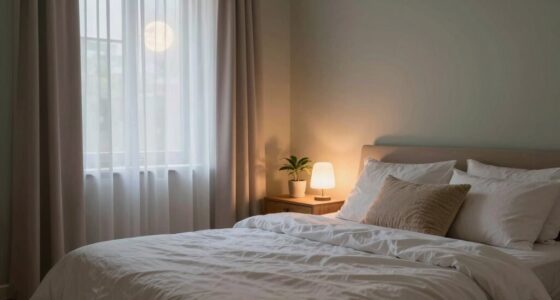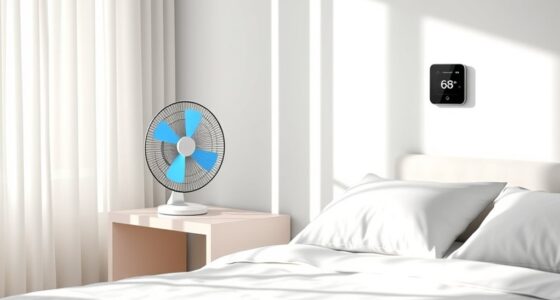

Recovery furniture helps you create a calming environment by minimizing sensory input, such as noise, bright lights, and tactile sensations. It provides low-stimulation spaces with soft colors and gentle textures, encouraging mindfulness and relaxation. Comfortable, ergonomic furniture supports your body and helps you shift from alertness to calm. By setting up a dedicated space, you signal to your brain that it’s time to unwind, making your evenings more peaceful and restorative. Keep exploring how these features can work for you.
Open a free Amazon Business account
Business pricing, bulk buying and tax-exempt orders.
As an affiliate, we earn on qualifying purchases.
Key Takeaways
- Provides a sensory-friendly environment with muted colors and textures to minimize external stimuli during evenings.
- Offers comfortable, ergonomic furniture that promotes relaxation and supports calming techniques.
- Establishes a dedicated space that signals relaxation, helping to transition from alertness to calm.
- Acts as a barrier against environmental chaos, reducing sensory overload.
- Incorporates biophilic elements to foster a connection with nature, enhancing mental well-being.

When evenings become overwhelming, recovery furniture offers a calming space that promotes low-stimulation environments. As your day winds down, you might find yourself feeling sensory overload, where sounds, lights, and even tactile sensations become too much to handle. Recovery furniture is designed to create a sanctuary where you can ease these feelings and restore your sense of calm. Its thoughtful design helps you minimize external stimuli, giving you a chance to reset after a hectic day.
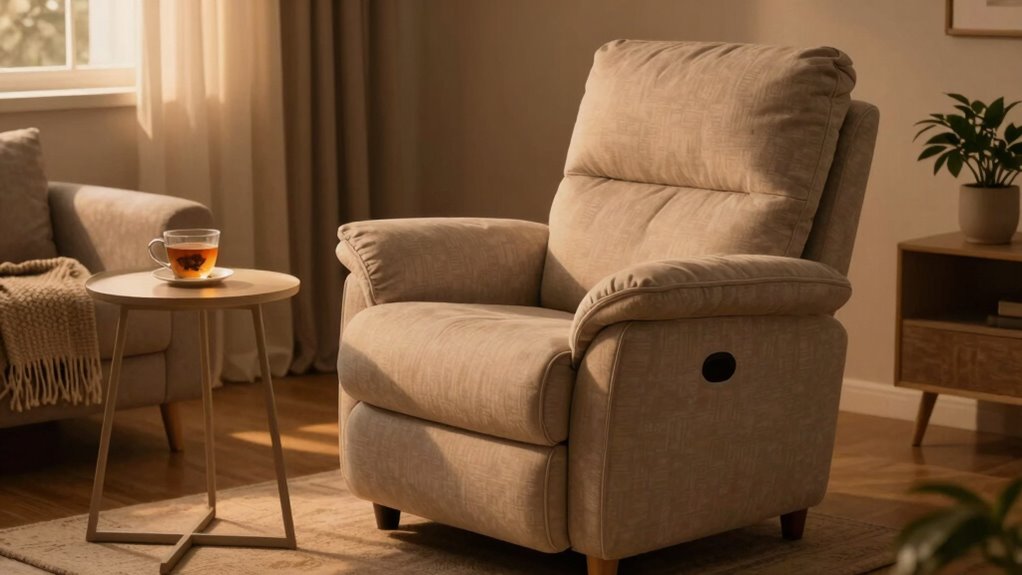
Using recovery furniture, you can engage in calming techniques that are specifically aimed at reducing sensory overload. For example, a snug, supportive chair or a reclining lounge can help you settle into a comfortable position, encouraging deep breathing and relaxation. These pieces often feature soft, muted colors and gentle textures that don’t demand your attention, helping you avoid unnecessary stimulation. When you sit or lie down on recovery furniture, you’re creating a sensory-friendly environment that encourages mindfulness and tranquility. Incorporating sensory regulation strategies into your routine can further enhance the calming effects of your recovery space.
Recovery furniture fosters mindfulness and calm through soft textures and muted colors, creating a soothing space for relaxation and sensory relief.
The right recovery furniture can serve as a barrier against the chaos of your surroundings. Its ergonomic design supports your body in a way that promotes relaxation, easing muscle tension and reducing physical stress. This physical comfort can be crucial when your nervous system is overstimulated, as it helps you transition from a state of alertness to one of calm. Additionally, incorporating biophilic design elements into your recovery space can further enhance your connection to nature and promote overall mental health. Paired with calming techniques like guided breathing or mindfulness exercises, recovery furniture becomes a powerful tool to manage sensory overload effectively.
Furthermore, recovery furniture encourages you to establish a routine that prioritizes your mental health at the end of each day. By dedicating a specific space for unwinding, you signal to your brain that it’s time to relax and detach from overstimulating inputs. This consistency helps reinforce calming habits, making it easier to manage evenings when sensory overload is most intense. Over time, this environment helps you develop better coping strategies and reduces the overall stress that can build up from daily overstimulation.
In essence, recovery furniture supports your efforts to create low-stimulation evenings by providing a physical and psychological refuge. It makes practicing calming techniques easier and more effective, helping you regain control over your sensory experiences. When you make space for these thoughtful pieces, you’re giving yourself a crucial tool for managing sensory overload and fostering a peaceful, restorative end to your day. Additionally, incorporating biodiversity-friendly elements into your environment can enhance your sense of well-being and connection to nature, promoting overall mental health.
recovery lounge chair for relaxation
As an affiliate, we earn on qualifying purchases.
As an affiliate, we earn on qualifying purchases.
Frequently Asked Questions
What Materials Are Used in Recovery Furniture for Sensitive Environments?
Recovery furniture for sensitive environments uses hypoallergenic fabrics to guarantee comfort without triggering allergies or irritations. Materials like soft microfiber or organic cotton are common, providing gentle textures. Aromatherapy integration is often included, with diffusers or scent-infused cushions, to create a calming atmosphere. These thoughtful materials help you relax, promoting healing and tranquility during low-stimulation evenings.
How Customizable Is Recovery Furniture for Individual Needs?
You might think recovery furniture offers a one-size-fits-all solution, but actually, it’s highly customizable. With numerous personalization options, you can tweak everything from height to cushioning, ensuring it fits your unique needs perfectly. Its ergonomic design caters to your comfort, allowing you to recover at your own pace. So, instead of a generic experience, you get tailored support that adapts to your individual preferences, promoting true relaxation.
Can Recovery Furniture Be Easily Cleaned and Maintained?
Yes, recovery furniture is designed for easy cleaning and maintenance. You just follow simple cleaning protocols, such as wiping surfaces with a damp cloth and using mild cleaners. Regular maintenance tips include checking for loose parts and keeping upholstery clean to prolong its lifespan. This makes it convenient for you to keep the furniture hygienic and in good condition, ensuring it remains a safe and comfortable option for recovery needs.
What Safety Features Are Incorporated Into Recovery Furniture?
Recovery furniture incorporates safety features like sturdy construction, rounded edges, and non-slip bases, ensuring stability and reducing injury risk. Its aesthetic design blends seamlessly with your space, while ergonomic support promotes comfort and proper posture. These features help you relax safely during low-stimulation evenings, making recovery time both secure and soothing. You can trust that safety is prioritized without compromising style or comfort in your recovery environment.
Is Recovery Furniture Suitable for All Age Groups?
Recovery furniture is suitable for most age groups because of its ergonomic design and therapeutic benefits. It provides comfort and support tailored to individual needs, helping reduce pain and promote relaxation. Whether you’re young or elderly, this furniture adapts to different body types, ensuring safe and effective recovery. Its thoughtful design encourages gentle activity and rest, making it a versatile choice for anyone seeking comfort and healing.
sensory-friendly furniture for calming evenings
As an affiliate, we earn on qualifying purchases.
As an affiliate, we earn on qualifying purchases.
Conclusion
So, next time you find yourself battling the chaos of a busy evening, remember that recovery furniture is your secret weapon—silently whispering, “Relax, I got this.” It’s like having a personal zen master, minus the incense. With the right pieces, low-stimulation nights become less of a struggle and more of a chance to pretend you’re at a spa. Who knew that furniture could turn chaos into calm? Cheers to effortless unwinding!
ergonomic recovery furniture for sensory overload
As an affiliate, we earn on qualifying purchases.
As an affiliate, we earn on qualifying purchases.
low-stimulation relaxation furniture
As an affiliate, we earn on qualifying purchases.
As an affiliate, we earn on qualifying purchases.
NFL season / tailgating Picks
team gear
As an affiliate, we earn on qualifying purchases.