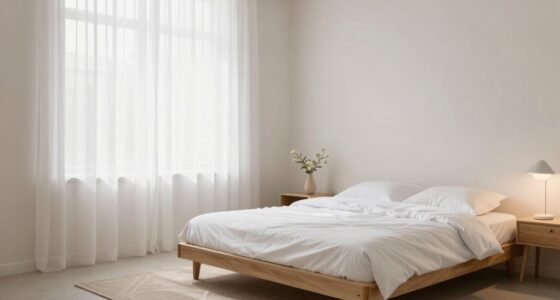

To build a sleep space that works in real life, start with a supportive, comfortable mattress suited to your sleeping position. Create a calming environment with soft lighting, like dimmable lamps, and keep the space clutter-free using soothing colors and cozy decor. Position your bed away from noise and light sources, and turn off electronic devices beforehand. Small adjustments can make your bedroom feel more inviting and restful. Keep exploring to discover more tips for transforming your sleep area into a true retreat.

Get health and wellness essentials delivered free with Prime
- Fast, free delivery on millions of items
- Prime Video, Amazon Music and more included
- Member-only deals all year
Key Takeaways
- Choose a supportive, comfortable mattress suited to your sleeping position for better rest.
- Use soft, adjustable lighting and eliminate blue light before bed to signal winding down.
- Keep the room uncluttered with calming colors, relaxing decor, and cozy textures to promote tranquility.
- Position the bed away from noise and light sources; use blackout curtains and electronic device management.
- Create a cohesive environment combining supportive bedding, calming lighting, and peaceful decor for optimal sleep.
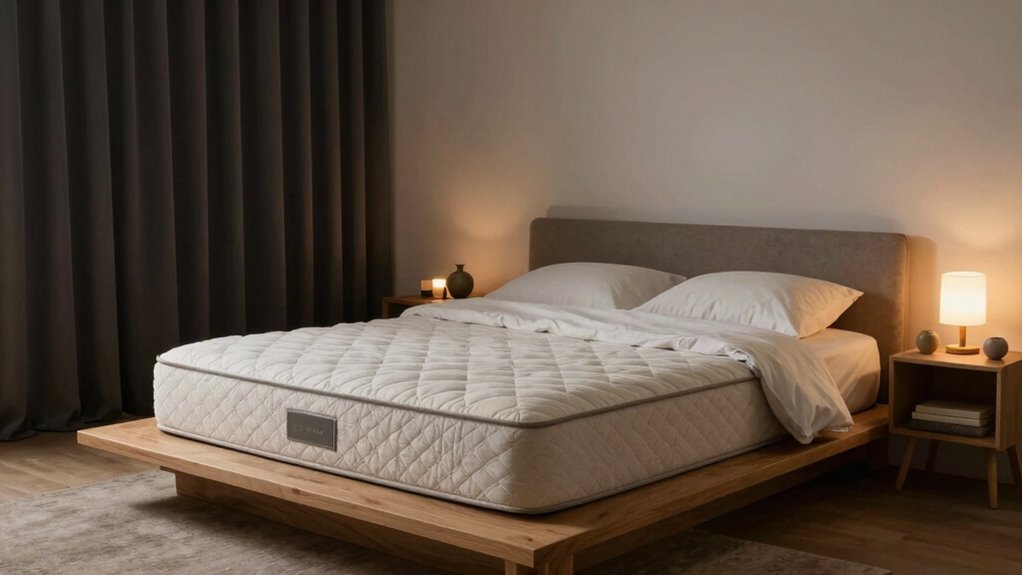
Creating a dedicated sleep space is essential for improving your rest and overall well-being. When you prioritize comfort and ambiance, you set the stage for better sleep every night. One of the first steps is selecting the right mattress, as it directly influences how well you rest. Invest time in trying out different options to find a mattress that offers the right balance of support and softness for your body. Consider your preferred sleeping position—whether you sleep on your back, side, or stomach—and choose a mattress that aligns with your needs. A good mattress should reduce pressure points and prevent tossing and turning, helping you fall asleep faster and wake up feeling refreshed.
Choosing the right mattress enhances sleep quality by providing support, comfort, and reducing pressure points.
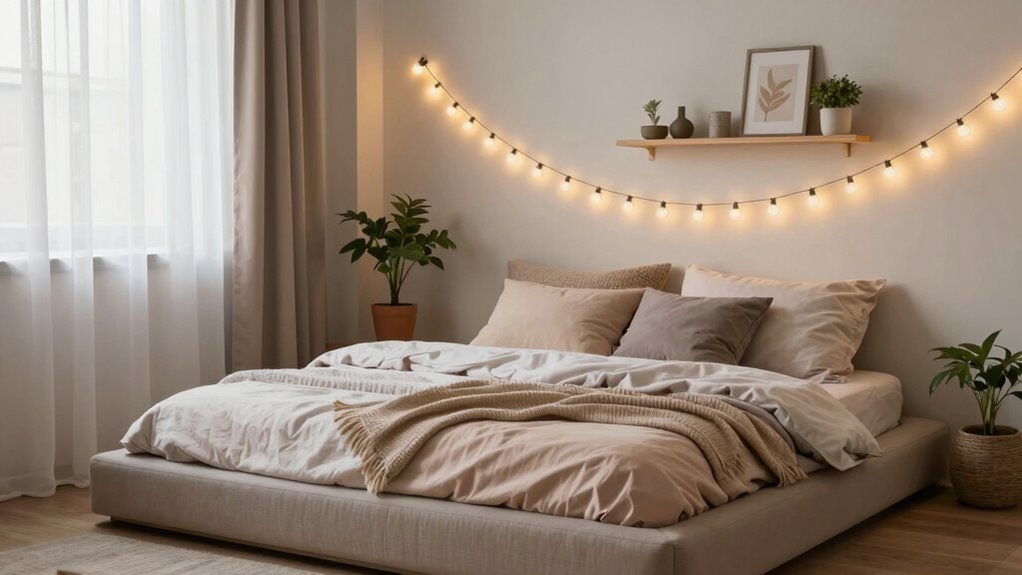
Once your mattress is chosen, focus on creating a calming environment that promotes sleep. Decorative lighting plays an essential role here. Instead of harsh overhead lights, opt for soft, warm lighting options like bedside lamps or dimmable fixtures. These lights lower the overall brightness and help your body recognize that it’s time to wind down. You can also incorporate fairy lights or LED strips with adjustable color temperatures to add a cozy, inviting glow. The goal is to eliminate blue light exposure from screens and bright lighting at least an hour before bed, allowing your melatonin levels to rise naturally. By controlling your lighting, you help your body shift into sleep mode more smoothly. Additionally, understanding the importance of sleep environment can guide you in making more effective adjustments.
Next, pay attention to your room’s overall layout and decor. Keep the space uncluttered and free of distractions, which makes it easier to relax. Use calming colors like soft blues, muted greens, or neutral tones that foster tranquility. Incorporating relaxing decor such as artwork or plants can further enhance the soothing atmosphere. Incorporate textures such as plush rugs, cozy blankets, and smooth fabrics to create a tactile sense of comfort. These elements, combined with your decorative lighting, set a peaceful atmosphere that invites you to unwind. Creating a comfortable sleep environment can significantly enhance your ability to fall asleep and stay asleep throughout the night. Paying attention to the sleep environment can also help you identify specific factors that may be disrupting your rest or causing discomfort. Furthermore, choosing appropriate bedroom furniture can contribute to better organization and overall serenity in your sleep space.
In terms of practical setup, position your bed away from windows or sources of noise, and consider blackout curtains to block out unwanted light. Keep electronic devices out of reach or turned off, so they don’t interfere with your sleep cycle. Your goal is to craft a space that signals rest and relaxation to your brain. When your mattress provides proper support, and your lighting and decor promote calmness, you create a sleep environment that’s both functional and inviting. Over time, these small but intentional choices will help you establish a healthy sleep routine that works in real life, making restful nights and energized mornings a consistent reality.
orthopedic memory foam mattress for side sleepers
As an affiliate, we earn on qualifying purchases.
As an affiliate, we earn on qualifying purchases.
Frequently Asked Questions
How Can I Personalize My Sleep Space for Better Comfort?
You can personalize your sleep space for better comfort by incorporating personalized decor that makes you feel relaxed and happy. Choose a mattress that matches your preferences for firmness or softness, ensuring proper support. Add cozy pillows, soft blankets, and calming colors to create a space that reflects your style. Keep your room tidy and incorporate elements that promote relaxation, making it easier to unwind and enjoy restful sleep every night.
What Are Budget-Friendly Options for Creating a Sleep Zone?
Imagine transforming your space into a dreamy oasis without draining your wallet—that’s totally possible! You can use affordable bedding to add plush comfort and vibrant colors, making your sleep zone inviting. Plus, DIY decor like homemade wall art or repurposed furniture adds personality with minimal spending. By mixing budget-friendly essentials, you’ll create a cozy, stylish sleep space that feels luxurious without the hefty price tag.
How Do I Maintain Cleanliness in My Sleep Area?
To keep your sleep area clean, focus on decor organization by using storage bins and under-bed boxes to minimize clutter. Regularly wash your bedding selection, including sheets and pillowcases, to prevent dust and allergens. Keep surfaces clear and dust-free, and vacuum or sweep the floor weekly. This routine helps maintain a fresh, inviting space, making it easier to relax and enjoy restful sleep every night.
What Are Common Mistakes to Avoid When Designing a Sleep Space?
Avoid common mistakes like choosing harsh color schemes that disrupt relaxation or cluttered furniture placement that blocks natural light and airflow. You might also neglect to take into account the size and scale of furniture, which can make your space feel cramped. Instead, opt for calming colors and thoughtfully arrange furniture to promote ease of movement and serenity. Keep your bedroom simple, inviting, and functional to ensure it supports restful sleep.
How Can I Optimize Lighting and Noise Levels for Better Sleep?
They say “sound sleep is the best medicine,” so start by optimizing your space. Use smart lighting with dimmable, warm tones to create a calming atmosphere, and eliminate harsh overhead lights. Invest in soundproofing options like heavy curtains, door seals, or white noise machines to block out disruptive sounds. These adjustments help you relax faster, fall asleep easier, and wake refreshed, making your sleep space truly work for you.
dimmable bedside lamps for bedroom
As an affiliate, we earn on qualifying purchases.
As an affiliate, we earn on qualifying purchases.
Conclusion
Think of your sleep space as a cozy island amid a busy sea. When you carve out a calming sanctuary—free of distractions and filled with comfort—you create a safe harbor for restful nights. Just like a lighthouse guides ships safely home, your well-designed sleep space guides your body to relaxation and rejuvenation. Keep this island inviting and peaceful, and you’ll find yourself sailing smoothly into restful sleep, night after night.
As an affiliate, we earn on qualifying purchases.
LED strip lights with adjustable color temperature
As an affiliate, we earn on qualifying purchases.
As an affiliate, we earn on qualifying purchases.
Cold & flu season Picks
humidifiers
As an affiliate, we earn on qualifying purchases.