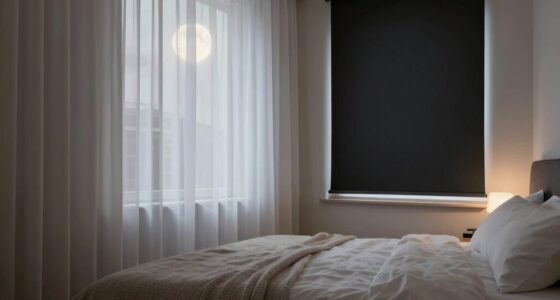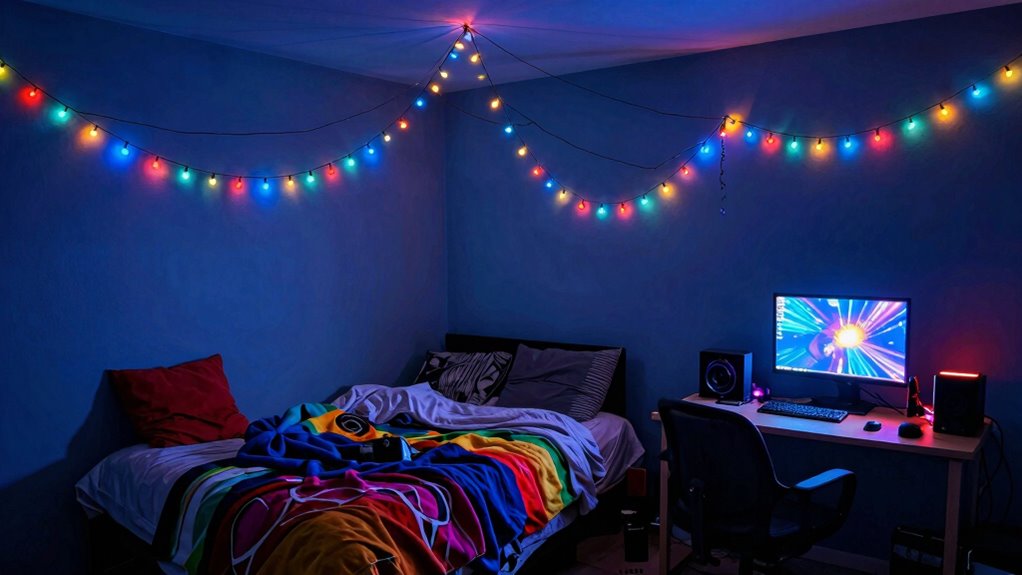

One of the most overlooked signs your bedroom is too stimulating is persistent restlessness or difficulty relaxing, even after lying down. If you notice frequent tossing and turning, vivid sensory input like bright colors, clutter, or loud electronics might be preventing your brain from winding down. These subtle cues suggest your environment is overstimulating your senses. Pay attention to these signs, as understanding them can help you create a calmer space for better sleep. Keep going to explore how to make your room more restful.

Get health and wellness essentials delivered free with Prime
- Fast, free delivery on millions of items
- Prime Video, Amazon Music and more included
- Member-only deals all year
Key Takeaways
- You feel restless or toss and turn despite lying in bed.
- Bright screens or cluttered surfaces are visible even when trying to relax.
- You experience difficulty calming your mind after being exposed to sensory input.
- You notice frequent waking or disrupted sleep cycles without obvious reasons.
- Overwhelming feelings or anxiety about your bedroom environment indicate overstimulation.
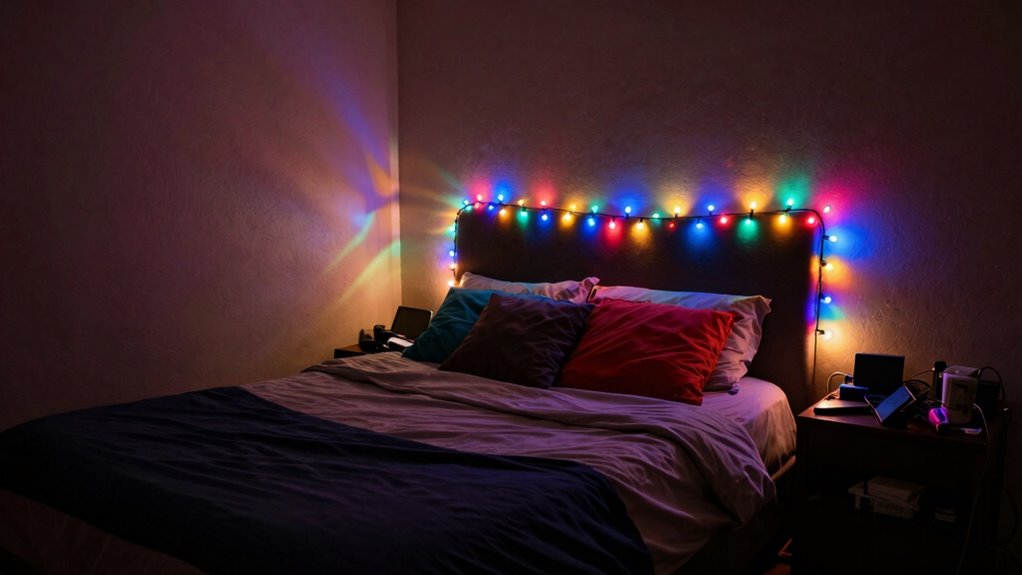
If you’re having trouble winding down at night, you might not realize how much your bedroom’s environment is affecting your sleep. One often-overlooked sign that your space is too stimulating is how easily your mind races the moment you try to relax. You could be surrounded by a chaotic mix of bright colors, loud electronics, or busy patterns, all contributing to sensory overload. This overload makes it difficult for your brain to shift into the restful state needed for quality sleep. Instead of calming down, you find yourself tossing and turning, feeling restless even after lying in bed for a while.
Color therapy can play a significant role in creating a more peaceful bedroom. Bright, bold hues like reds and neon shades might seem lively, but they can actually heighten your alertness and keep your brain active, especially before bedtime. Softer, muted tones like pastel blues, gentle greens, or warm neutrals tend to promote relaxation. When your walls, bedding, or decor clash with calming color schemes, they add to the sensory overload, making it harder for your nervous system to wind down. Choosing the right colors isn’t just about aesthetics; it’s about setting a mood that encourages peace and tranquility. Being mindful of visual stimuli in your space can help you create a more calming environment. Additionally, reducing sensory input by decluttering and limiting electronic devices can significantly improve your sleep quality. Incorporating sensory regulation techniques, such as calming scents or soft lighting, can further enhance relaxation.
Calming colors like pastel blues and warm neutrals promote relaxation and reduce sensory overload for better sleep.
Another sign your bedroom is too stimulating is feeling overwhelmed by sensory input even when you’re not consciously aware of it. Cluttered surfaces, excessive noise, and blinking electronics all contribute to this sensory overload. If your room is filled with bright screens, buzzing devices, or a jumble of objects, your brain constantly processes these stimuli, preventing you from fully relaxing. The more sensory input you’re exposed to, the more difficult it becomes to shift into rest mode. This constant stimulation can also cause stress and anxiety, further disrupting your sleep cycle. Recognizing the impact of sensory overload on sleep quality can help you take targeted steps to improve your environment. Making simple adjustments like optimizing lighting and reducing noise levels can make a noticeable difference in calming your bedroom atmosphere.
As an affiliate, we earn on qualifying purchases.
Frequently Asked Questions
Can Too Much Stimulation Affect Sleep Quality?
Yes, too much stimulation can negatively affect your sleep quality. When your environment causes sensory overload, your brain stays active, making it harder to relax and fall asleep. You might find your sleep disrupted or less restful. To improve this, try calming techniques like dimming lights, reducing noise, and avoiding screens before bed. Creating a serene space helps your mind unwind, promoting better sleep and overall well-being.
How Can I Reduce Visual Clutter in My Bedroom?
To reduce visual clutter, start by decluttering your surfaces and removing unnecessary decorative accessories. Use smart storage solutions like baskets, under-bed storage, or wall-mounted shelves to keep items out of sight. Keep only essential or calming decorative pieces in your bedroom, and regularly tidy up to maintain a serene environment. This approach helps create a visually soothing space, promoting better sleep and relaxation.
Are Certain Colors More Stimulating Than Others?
Bright reds and vibrant oranges are more stimulating due to their connection with energy and excitement in color psychology. These colors can boost mood but may also increase agitation, making it harder to relax. Softer hues like blues and greens promote calmness and better sleep, supporting mood enhancement. Choosing more subdued colors helps create a tranquil atmosphere, reducing overstimulation and fostering restful sleep in your bedroom.
What Role Does Noise Play in Overstimulation?
Noise plays a vital role in overstimulation by increasing sound levels and triggering your noise sensitivity. When sounds are loud, constant, or unpredictable, they overwhelm your senses and make relaxation difficult. You might feel more anxious, restless, or fatigued. Managing sound levels by reducing background noise, using white noise machines, or earplugs helps lower noise sensitivity, creating a calmer environment where your mind can unwind and your sleep improves.
How Long Does It Take to Notice Improvements After Decluttering?
You might start noticing improvements within a few days to a week after decluttering your bedroom. As you remove excess items, your environment becomes calmer, reducing sensory overload and energy drain. This shift helps you feel more relaxed and centered. Keep in mind, consistency matters—regularly maintaining your space guarantees sustained benefits, so give yourself time to adjust and appreciate the calming effects of a decluttered bedroom.
sleep environment decluttering organizer
As an affiliate, we earn on qualifying purchases.
As an affiliate, we earn on qualifying purchases.
Conclusion
If your bedroom feels more like a bustling city than a peaceful retreat, it’s time to tune down the stimulation. Ignoring these signs is like ignoring a warning light on your dashboard—eventually, it’ll catch up with you. Prioritize calming colors, soft lighting, and minimal clutter to create a sanctuary that whispers, rather than shouts. After all, your bedroom should be your sanctuary, not a sensory overload waiting to happen.
As an affiliate, we earn on qualifying purchases.
As an affiliate, we earn on qualifying purchases.
Cold & flu season Picks
humidifiers
As an affiliate, we earn on qualifying purchases.