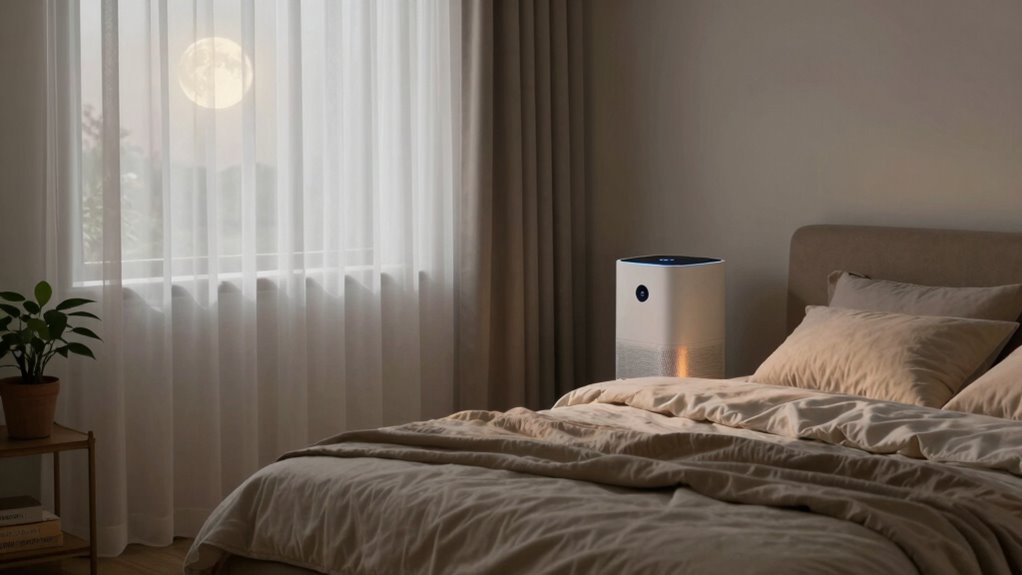

Your bedroom air quality directly impacts how rest feels because pollutants, allergens, and dryness can make you breathe harder, cause discomfort, and lead to lighter sleep. When you reduce airborne irritants with good ventilation, air filtration, and proper humidity, you create a calmer, healthier environment. This helps you fall asleep faster and stay asleep longer. If you want to discover simple ways to improve your sleep environment, keep exploring how to optimize your bedroom’s air quality.

Get health and wellness essentials delivered free — and shop member deals
- Fast, free delivery on millions of items
- Access to Prime Big Deal Days deals on October 6–7
- Prime Video, Amazon Music and more included
Key Takeaways
- Poor air quality increases airborne allergens, causing respiratory irritation and lighter sleep.
- Proper filtration and circulation reduce irritants, leading to deeper, more restful sleep.
- Maintaining optimal humidity prevents dryness or excess moisture, improving comfort and breathing.
- Stale or polluted air can cause headaches, congestion, and restlessness, disrupting sleep cycles.
- Good ventilation and clean bedding minimize allergen buildup, enhancing overall sleep quality.
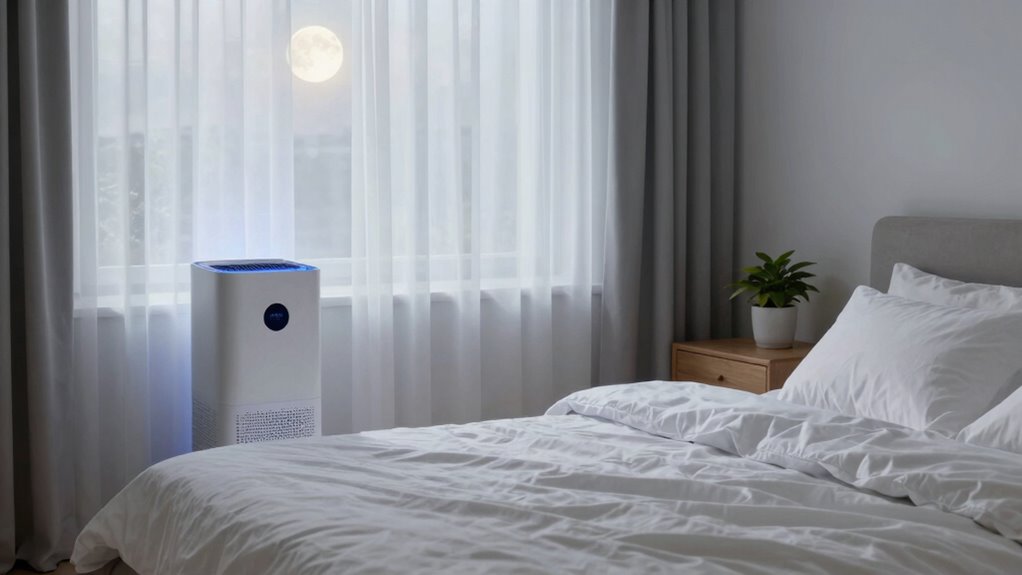
Your bedroom’s air quality plays a crucial role in how well you sleep each night. When the air isn’t clean or balanced, it can lead to restless nights and lingering fatigue. One of the biggest factors influencing your sleep quality is airborne allergens. These tiny particles—like dust mites, pet dander, mold spores, and pollen—float through the air and settle on your bedding and surfaces. If you’re sensitive or allergic, breathing in these allergens can cause sneezing, congestion, or itchy eyes, making it harder for you to fall asleep or stay asleep. Even if you don’t have allergies, exposure to airborne allergens can still disturb your rest, leading to lighter sleep and less restorative cycles. To improve your sleep environment, you need to minimize these airborne irritants, perhaps by regularly cleaning your bedding, using high-efficiency particulate air (HEPA) filters, or avoiding clutter that traps dust. airborne allergens are a major contributor to sleep disruptions, so actively reducing them can significantly improve your rest. Implementing good air circulation practices can also help disperse these irritants more effectively. Additionally, ensuring proper air filtration systems are in place can further reduce the presence of these particles in your bedroom.
Another critical aspect of bedroom air quality is humidity control. Maintaining the right level of humidity—generally between 40% and 60%—can markedly enhance your sleep experience. When the air is too dry, which often happens in winter or in heated rooms, your nasal passages and throat can become dry and irritated. This dryness can lead to uncomfortable breathing, snoring, or even nosebleeds, all of which disrupt your sleep. Conversely, if the air is too humid, it creates a perfect environment for mold growth and dust mites, both of which are contributors to airborne allergens. Excess moisture can also make your room feel damp and uncomfortable, making it harder to relax and fall asleep. Using a humidifier or dehumidifier can help you find that ideal balance, reducing dryness or dampness and creating a more comfortable sleeping environment. Additionally, proper ventilation can help improve air circulation and reduce indoor pollutant levels, supporting healthier sleep conditions. Good ventilation also plays a role in reducing the buildup of indoor pollutants, which can impair your sleep quality. Regularly airing out your room can help prevent the stagnation of indoor air and keep pollutants at bay, creating a fresher environment conducive to restful sleep.
When you pay attention to both airborne allergens and humidity control, you set the stage for better sleep quality. Clean air means fewer irritants that cause breathing issues or allergic reactions, while proper humidity prevents dryness and mold growth. You’ll likely notice that your sleep becomes deeper, more restful, and less interrupted. Small adjustments—like opening a window for fresh air, changing your bedding regularly, or using air purifiers—can make a considerable difference. By actively managing your bedroom’s air quality, you’re not just improving the environment—you’re actively investing in better, more restorative sleep every night.
As an affiliate, we earn on qualifying purchases.
Frequently Asked Questions
Can Plants Improve Bedroom Air Quality Naturally?
Yes, plants can improve your bedroom air quality naturally. Varieties like snake plants, peace lilies, and pothos are known for their natural filtration abilities, removing toxins and increasing oxygen. By adding these plants, you create a healthier sleep environment. You’ll notice fresher air, which can reduce allergies and improve sleep quality. Keep them near your bed or windows for maximum benefits, and enjoy the calming presence they bring.
How Often Should I Change My Air Filters?
You should change your air filters every 1 to 3 months, depending on your filter’s lifespan and your home’s air quality. Following a consistent filter maintenance schedule helps prevent dust, allergens, and pollutants from accumulating, which can negatively impact your sleep. Check your filters regularly—if they look dirty or clogged earlier, replace them sooner to maintain ideal air quality and guarantee a restful night’s sleep.
Does Humidity Level Affect Sleep Quality?
Think of your bedroom’s humidity like the Goldilocks zone—just right makes all the difference. Yes, humidity level affects sleep quality; too dry or too humid disrupts sleep comfort. Humidity control helps maintain ideal moisture, preventing dry skin or stuffy air. When you keep humidity balanced, your sleep feels more restful and uninterrupted, like a gentle breeze that soothes rather than stirs. Proper humidity truly transforms your sleep environment.
Are Air Purifiers Effective for Allergy Sufferers?
Yes, air purifiers are effective for allergy sufferers. They help remove allergens like pollen, pet dander, and dust mites from your bedroom air, providing allergy symptom relief. To keep them working well, you need regular air purifier maintenance, such as changing filters and cleaning components. When properly maintained, air purifiers create a cleaner environment, reducing allergy triggers and helping you breathe easier, ultimately improving your sleep quality.
What Are Common Indoor Air Pollutants?
You should be aware that common indoor air pollutants include indoor chemicals like volatile organic compounds (VOCs) from cleaning products and paints, as well as dust accumulation from everyday activities. These pollutants can linger in the air, affecting your sleep quality and overall health. Regular cleaning and good ventilation help reduce these hazards, making your bedroom a healthier environment and improving your sleep experience.
bedroom humidifier with adjustable settings
As an affiliate, we earn on qualifying purchases.
As an affiliate, we earn on qualifying purchases.
Conclusion
Improving your bedroom air quality can make a noticeable difference in your sleep quality. Did you know that poor indoor air can reduce sleep efficiency by up to 30%? By keeping your room well-ventilated and free of pollutants, you’re not just breathing easier—you’re setting the stage for deeper, more restorative sleep. Small changes like air purifiers or regular cleaning can have a big impact, helping you wake up feeling refreshed and ready for the day.
As an affiliate, we earn on qualifying purchases.
As an affiliate, we earn on qualifying purchases.
Fall Picks
fall essentials
As an affiliate, we earn on qualifying purchases.