
To help an autistic individual sleep better, focus on creating a calming, sensory-friendly environment by using blackout curtains, soft blankets, and white noise. Establish a predictable bedtime routine with calming activities, and consider gentle sensory tools. Melatonin supplements can also support sleep when used under medical guidance. By making these adjustments, you can reduce sensory overload and anxiety, helping your loved one rest more comfortably. Keep exploring for more effective strategies tailored to their needs.

Get health and wellness essentials delivered free — and shop member deals
- Fast, free delivery on millions of items
- Access to Prime Big Deal Days deals on October 6–7
- Prime Video, Amazon Music and more included
Key Takeaways
- Create a sensory-friendly sleep environment with blackout curtains, white noise, and soft blankets to reduce overstimulation.
- Establish consistent bedtime routines that include calming activities and minimize pre-sleep stimulation.
- Use low-dose melatonin under medical supervision to help regulate sleep-wake cycles.
- Incorporate sensory accommodations tailored to individual sensitivities to promote comfort and relaxation.
- Address anxiety by creating a safe, predictable sleep space and incorporating calming strategies into the routine.
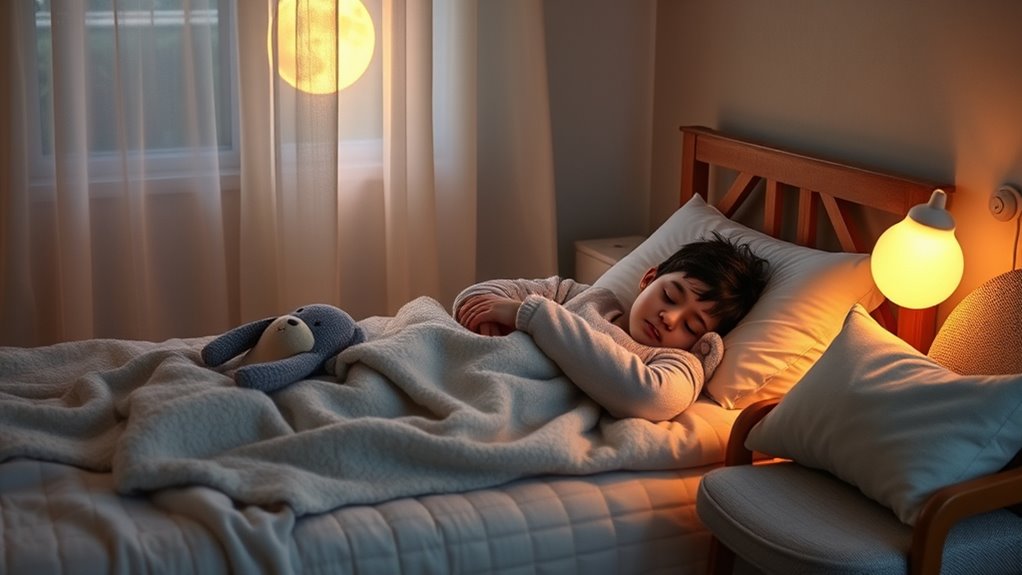
Many children with autism struggle with sleep issues, which can considerably impact their daily functioning and overall well-being. One of the main challenges you might face is managing sensory sensitivities that interfere with falling asleep or staying asleep through the night. Children with autism often experience heightened sensitivities to light, sound, textures, or even smells, making their sleep environment feel overwhelming or uncomfortable. For example, a simple noise like a ticking clock or a bright light from a streetlamp can be enough to disrupt their sleep cycle. To help, you may need to create a calming, sensory-friendly environment. This could involve using blackout curtains, white noise machines, or soft, weighted blankets designed to provide gentle pressure and comfort. These adjustments can help reduce sensory overload and create a more soothing space that signals to your child that it’s time to rest. Incorporating sensory accommodations into your child’s bedtime routine can make a significant difference in improving sleep quality.
In addition to environmental modifications, melatonin supplementation is often considered as a helpful tool. Melatonin is a natural hormone that regulates sleep-wake cycles, and supplementing it can assist children who have trouble transitioning into sleep. When used appropriately and under medical supervision, melatonin can help synchronize your child’s internal clock, making it easier for them to fall asleep at the desired time. It’s important to start with a low dose and monitor its effects, adjusting as needed to find what works best for your child’s unique needs. Keep in mind that melatonin isn’t a cure-all, but it can be an effective part of a broader sleep strategy that includes consistent bedtime routines and sensory accommodations.
Establishing a predictable bedtime routine is vital, especially for children with autism who often thrive on routine and familiarity. This might include calming activities like reading a favorite book, gentle stretches, or listening to soothing music. Keep the environment consistent by maintaining a regular sleep schedule and reducing stimulation before bed. You should also pay close attention to your child’s sensory preferences; some children might prefer a dim room, while others may need a nightlight or specific textures to feel comfortable. Over time, these tailored strategies help your child associate bedtime with calmness and safety, reducing anxiety and resistance.
As an affiliate, we earn on qualifying purchases.
Frequently Asked Questions
Can Dietary Changes Improve Sleep for Autistic Individuals?
Yes, dietary changes can improve sleep for autistic individuals. Incorporate sleep-friendly foods like bananas, cherries, and oats into their diet, which contain natural melatonin or magnesium to promote relaxation. Additionally, consider dietary supplements such as melatonin or magnesium, after consulting with a healthcare professional. These adjustments can help regulate sleep patterns, reduce bedtime resistance, and enhance overall sleep quality, making bedtime more peaceful and restful.
Are There Specific Medications to Help Autism-Related Sleep Problems?
Yes, there are specific medication options and sleep aids that can help manage autism-related sleep problems. You might consider melatonin supplements, which are commonly used to regulate sleep cycles, or other prescribed medications like antihistamines or low-dose antidepressants. Always consult a healthcare professional before starting any medication, as they can recommend the safest and most effective options tailored to your needs.
How Does Sensory Processing Affect Sleep in Autism?
Sensory processing acts like a busy traffic jam, where tactile sensitivities and sensory overload slow down or disrupt your sleep journey. When your senses are overwhelmed, especially by tactile inputs, it becomes difficult to relax and settle down. This heightened sensitivity can make it challenging to find comfort in bedding or experience calmness, leading to restless nights. Managing sensory overload through calming routines or sensory tools can help you reclaim peaceful, restorative sleep.
What Role Does Routine Play in Managing Sleep Issues?
You should prioritize routine to manage sleep issues by maintaining consistent bedtime routines and incorporating calming rituals. Bedtime consistency helps your body recognize when it’s time to sleep, reducing anxiety and resistance. Calming rituals, like gentle music or a warm bath, signal that sleep is near, easing shift. These practices create predictability, making it easier for you to fall asleep and stay asleep throughout the night.
Can Technology or Apps Assist Autistic Individuals With Sleep?
Yes, technology and apps can help autistic individuals with sleep. Wearable devices that track sleep patterns provide valuable data, helping you understand your sleep quality and identify disruptions. Sleep tracking apps offer routines, calming sounds, and reminders to promote better sleep habits. By using these tools, you can develop personalized strategies to improve your sleep, making bedtime more predictable and less stressful.
As an affiliate, we earn on qualifying purchases.
Conclusion
By understanding and addressing sleep issues, you can become the gentle lighthouse guiding autistic individuals safely through their nightly storms. When you create a calm, predictable environment, you help them find their way to peaceful shores of rest. Remember, your patience and support act like a steady anchor in turbulent waters, transforming chaos into calm. With each mindful step, you help open the door to restful nights and brighter mornings, illuminating their world with hope and comfort.
As an affiliate, we earn on qualifying purchases.
melatonin supplements for children
As an affiliate, we earn on qualifying purchases.
As an affiliate, we earn on qualifying purchases.
Fall Picks
fall essentials
As an affiliate, we earn on qualifying purchases.