
TL;DR
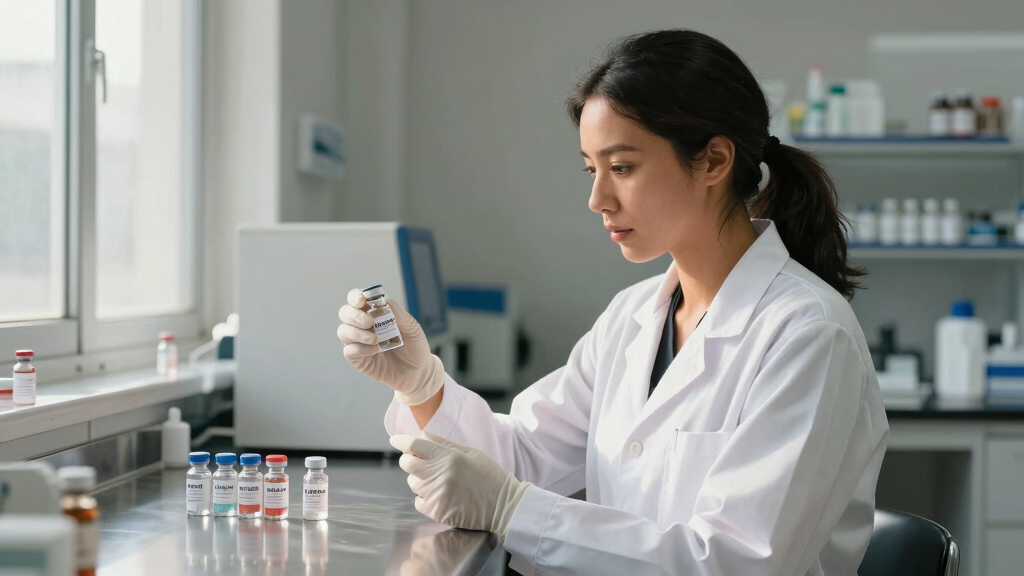
Gavi has approved a $180 million investment to expand vaccine manufacturing in Africa. The funding aims to strengthen local production, improve access, and enhance pandemic resilience. Details on specific projects and timelines are still emerging.
Gavi, the Vaccine Alliance, has approved a $180 million fund to support the development of vaccine manufacturing facilities across Africa. This decision aims to bolster local vaccine production, address supply gaps, and improve pandemic preparedness on the continent. The funding represents a major step toward self-sufficiency in vaccine supply for African countries.
The funding was approved during a recent Gavi board meeting, with specific allocations directed toward establishing and upgrading manufacturing plants in several African nations. Gavi officials have stated that the investment will support infrastructure development, technology transfer, and workforce training, with the goal of producing vaccines locally for diseases such as COVID-19, measles, and other priority illnesses.
While the total amount approved is confirmed at $180 million, details about the exact countries involved, timelines, and the scope of individual projects are still being finalized. Gavi emphasized that this initiative is part of its broader strategy to strengthen health systems and ensure equitable vaccine access across Africa.
Impact of Gavi’s Investment on Africa’s Vaccine Capabilities
This funding is significant because it aims to reduce dependency on vaccine imports, which has been a challenge during global supply disruptions, especially during the COVID-19 pandemic. Building local manufacturing capacity could lead to faster, more reliable access to vaccines, potentially saving lives and supporting economic stability. It also aligns with broader global health goals to improve pandemic preparedness and response in low- and middle-income countries.
As an affiliate, we earn on qualifying purchases.
Background on Africa’s Vaccine Production Challenges
Historically, many African countries have relied heavily on imported vaccines, which has led to vulnerabilities during global shortages and supply chain disruptions. Efforts to develop local manufacturing have been ongoing but faced hurdles such as limited infrastructure, technology gaps, and funding shortages. Gavi’s recent approval of $180 million aims to address these issues directly, marking a renewed commitment to strengthening vaccine self-reliance across the continent.
Previous initiatives, including partnerships with international organizations and private companies, have made some progress, but significant gaps remain. This latest funding aims to accelerate these efforts and ensure sustainable growth in vaccine production capacity.
“This investment is a transformative step toward ensuring that African countries can produce their own vaccines, reducing reliance on imports and improving health security.”
— Dr. Seth Berkley, Gavi CEO

EQTemp 1.94 cu. ft Vaccine Refrigerator, White – ACR21WNSF456LHD
- Medical-grade temperature control: Accurate 2ºC to 8ºC with alarms
- Compact and secure design: 55L capacity with lock and self-closing door
- User-friendly interior features: Adjustable shelves, LED lighting, internal fan
As an affiliate, we earn on qualifying purchases.
As an affiliate, we earn on qualifying purchases.
Details on Implementation and Timeline Still Unclear
While the approval of the $180 million fund is confirmed, specific details about which countries will benefit first, the exact projects to be funded, and the timelines for completion are still under discussion. It is also unclear how quickly the new manufacturing facilities will become operational and how the funds will be allocated among different initiatives.
laboratory sterilization equipment
As an affiliate, we earn on qualifying purchases.
As an affiliate, we earn on qualifying purchases.
Next Steps Include Finalizing Project Details and Launching Construction
Gavi and partner governments are expected to publish detailed plans in the coming months, including project timelines, participating countries, and specific vaccine targets. Construction and capacity-building efforts are likely to begin shortly after these plans are finalized, with initial outputs anticipated within the next two to three years. Monitoring and evaluation frameworks will also be established to track progress and impact.
As an affiliate, we earn on qualifying purchases.
Key Questions
Which African countries will benefit from the funding?
Specific countries have not yet been publicly announced. Gavi is in discussions with several nations to identify priority sites for initial investments.
What types of vaccines will be produced locally?
The focus will be on vaccines for diseases like COVID-19, measles, and other priority illnesses, depending on the capacity of the facilities established.
When will the new manufacturing facilities start producing vaccines?
While timelines are still being finalized, initial facilities could become operational within two to three years after project commencement.
How will this funding impact vaccine access in Africa?
By increasing local production, the initiative aims to reduce delays and reliance on imports, leading to more reliable and equitable vaccine access across the continent.
Is this part of a broader global effort?
Yes, it complements global initiatives to strengthen health systems and pandemic preparedness, especially in low- and middle-income countries.
Source: google-trends