
TL;DR

Get health and wellness essentials delivered free with Prime
- Fast, free delivery on millions of items
- Prime Video, Amazon Music and more included
- Member-only deals all year
A Seniors Guide report published Nov. 2, 2026, recommends five ways to personalize an assisted living space: bring familiar possessions, add cozy touches and plants, keep necessities accessible, and create room for socializing. The advice is intended to help residents feel more at home during a move, though the report does not present research measuring the effects of these suggestions.
Seniors Guide published five suggestions for making an assisted living space feel more familiar and practical, recommending that families bring meaningful belongings, add comfortable lighting and furnishings, keep everyday items accessible, and make room for visits and hobbies. The Nov. 2 report presents the ideas as ways to help older adults adjust to a new home, while noting that each resident’s needs and preferences differ.
The report, by Terri L. Jones, draws on comments from people working in senior living and design. It describes a move to assisted living as potentially difficult for someone leaving a familiar home and adjusting to changes in privacy or independence. The article does not report new research or evaluate outcomes; it offers practical recommendations and attributes design observations to named professionals.
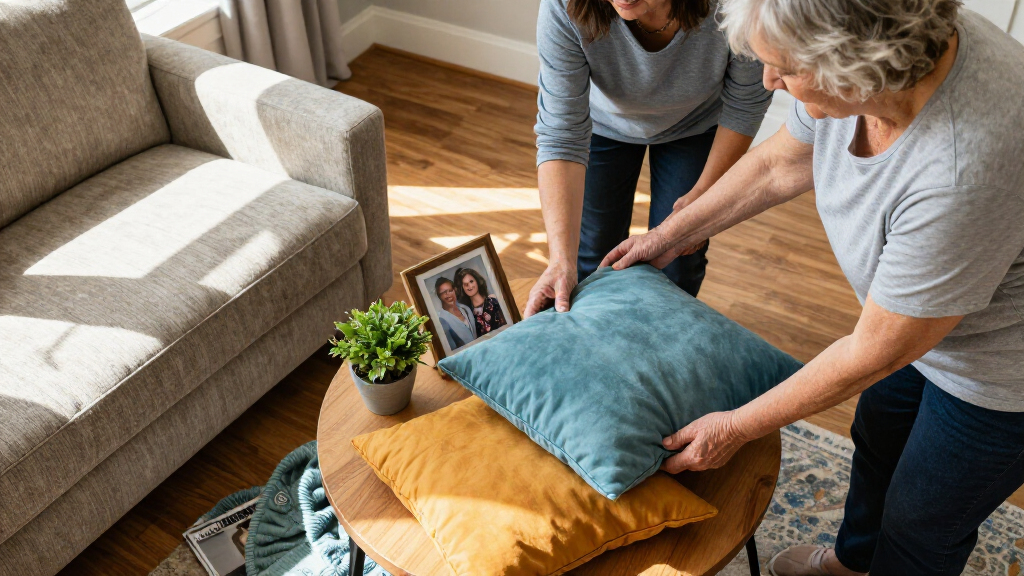
Its first suggestion is to bring items that reflect a resident’s routines and identity, such as family photographs, artwork, keepsakes or a favorite chair. The report says residents should have a say in which belongings move with them and where they go. It adds that some memory-care facilities recommend shadow boxes containing meaningful objects, but does not specify which facilities or cite evidence about their effects.
The other suggestions are to use lamps and, where appropriate, dimmers to make lighting feel softer; add plants and comfortable textiles; arrange frequently used items within easy reach; and designate space for friends, family or hobbies. The article advises keeping safety and functionality in mind alongside appearance. It does not provide measurements, facility-specific rules or individualized recommendations.
Making a New Room Feel Familiar
Personalizing a room can give a resident visible reminders of familiar routines and relationships at a time when surroundings and daily habits are changing. Giving the older adult a role in choosing belongings and arranging them may also help preserve a sense of personal choice, an issue the report connects to concerns about independence.
The practical details matter, too. A reading chair is more useful when a book and phone are within reach, while a room arranged for visitors can support time with family and friends. These are recommendations, not guarantees: the report offers no data showing that any single change reduces distress, improves health or produces the same result for every resident.
Products Worth Considering

Bowflex SelectTech 840 Adjustable Kettlebell

Fitbit Sense Health & Fitness Smartwatch (White/Gold, International Version)

Therabody Theragun Relief Massage Gun, 3-Speed, Navy
As an affiliate, we earn on qualifying purchases.
Advice Drawn From Senior-Care Staff
The report was published by Seniors Guide on Nov. 2, 2026, and says it updates material originally published in May 2022. It refers to comments from professionals featured in an article in U.S. News & World Report, including Julia Bailey, a senior associate and interior design project manager at Denver-based OZ Architecture.
Other sources named in the article include Kristy Ruppe Craddock of Commonwealth Senior Living, Rita Mabli of United Hebrew of New Rochelle, and Unlimited Care Cottages. Their comments inform recommendations on personal belongings, lighting and accessibility. The report does not identify a particular assisted living community or describe a new policy or service.
“As you walk into someone’s home, you can usually get a sense of their personality and lifestyle right away. Those things should come with you.”
— Kristy Ruppe Craddock, chief sales and marketing officer at Commonwealth Senior Living
What the Tips Do Not Establish
The report does not provide studies or measured results showing whether these changes improve residents’ well-being, ease adjustment or affect health. Its recommendations are general, and it does not address how to adapt them for a particular resident’s mobility, memory, allergies or other needs.
It also does not spell out rules that may apply at individual communities, including limits on furniture, plants, electrical items or room layout. Families should check those requirements with the facility and consider the resident’s preferences and practical needs before making changes. The article’s reference to shadow boxes at some memory-care facilities is not a universal recommendation.
Plan Room Changes With Residents
The report does not announce a follow-up study, program or deadline. Its practical next step is for families to discuss the move and room arrangements with the older adult, then check with the assisted living community about what can be brought in and how the space can be set up.
As the resident settles in, families can review whether essential items remain easy to reach and whether the room supports the person’s routines and visitors. Any adjustments should reflect the resident’s wishes as well as the facility’s safety requirements; the report offers no single layout or checklist that applies to every person.
Key Questions
What are the five suggestions in the Seniors Guide report?
It recommends bringing meaningful belongings, adding cozy touches such as lamps and textiles, considering plants, keeping everyday items accessible, and setting aside space for socializing or hobbies.
Does the report show that personalization improves health or well-being?
No. It presents professional advice and attributed views, but does not include research or measured outcomes showing that the suggestions improve health or well-being.
Should residents choose what goes into their new space?
The report recommends letting older adults choose which personal items to bring and where to place them, when possible. It also advises families to account for accessibility and facility requirements.
Are plants suitable for every assisted living room?
The report suggests plants as one option but does not address individual allergies, care needs or community rules. Families should check with the resident and facility before bringing plants into a room.
Source: seniorsguide.com