TL;DR
Prime for Young Adults — start your free trial
Fast free delivery, streaming and member deals for eligible 18–24 year olds.
Try it freeAs an affiliate, we earn on qualifying purchases.
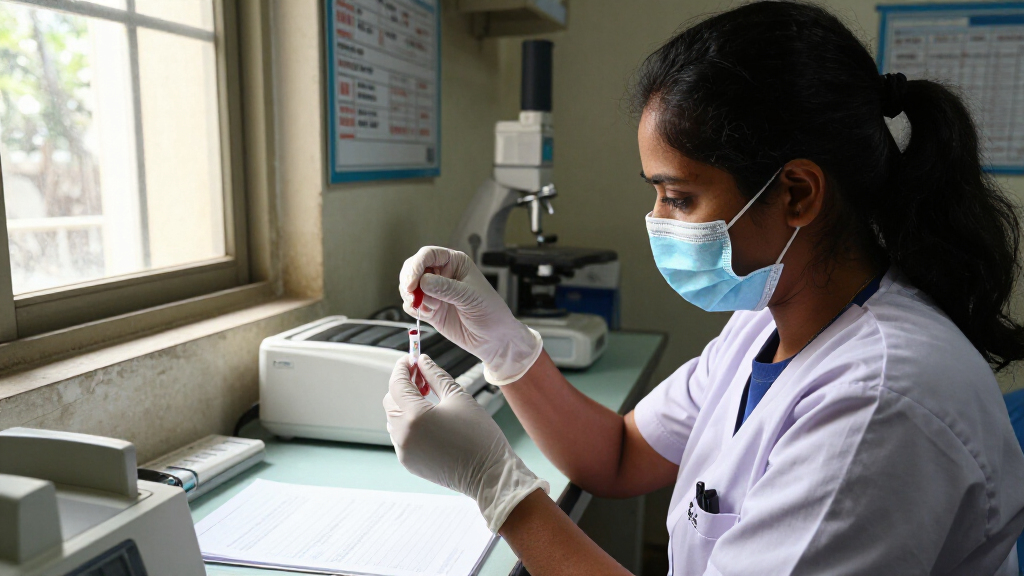
Malaria cases involving a high-risk strain in Mumbai have surged by 535% over the past decade, totaling 2,382 cases. The rise highlights growing health risks in the city.
Malaria cases involving a high-risk strain in Mumbai have increased by 535% over the last 10 years, reaching 2,382 cases in the latest figures, according to health authorities. This sharp rise underscores a significant public health challenge for the city, which has historically battled malaria but now faces an escalating threat from more dangerous strains.
The Mumbai Municipal Corporation’s recent report indicates that the number of high-risk malaria cases has surged from approximately 380 cases in 2014 to 2,382 in 2024. This represents a 535% increase over the decade, with the high-risk strain identified as Plasmodium falciparum, known for causing severe complications and higher mortality rates.
Health officials attribute the rise to multiple factors, including urbanization, stagnant water accumulation, and climate conditions conducive to mosquito breeding. The Mumbai health department has also noted that the increased cases are concentrated in densely populated areas with inadequate sanitation and water management.
Experts warn that this trend could strain local healthcare infrastructure and increase the risk of severe malaria outbreaks if not addressed promptly. The city has reportedly intensified vector control measures and public awareness campaigns, but challenges remain.
Implications of Rising High-Risk Malaria in Mumbai
The dramatic increase in high-risk malaria cases in Mumbai signals a growing public health threat that could lead to increased morbidity and mortality if unchecked. The high-risk strain, Plasmodium falciparum, is associated with severe complications, including cerebral malaria and organ failure, which require prompt treatment.
This trend may also indicate wider environmental and infrastructural issues, such as inadequate sanitation and urban planning, contributing to mosquito breeding grounds. The rise could impact vulnerable populations, including children and pregnant women, and strain the city’s healthcare resources.
Addressing this surge is critical for preventing larger outbreaks and safeguarding public health, especially as climate change and urban growth continue to alter disease dynamics in Mumbai.
mosquito repellent for malaria protection
As an affiliate, we earn on qualifying purchases.
As an affiliate, we earn on qualifying purchases.
Mumbai’s Malaria History and Recent Trends
Malaria has been a longstanding public health concern in Mumbai, historically affecting low-income neighborhoods with poor sanitation. The city has implemented various vector control programs over the years, including indoor residual spraying and public awareness drives.
However, recent years have seen a rise in mosquito-breeding sites due to unplanned urban expansion, water stagnation, and climate variability. The latest data indicates that the high-risk strain, Plasmodium falciparum, which causes the more severe form of malaria, has become increasingly prevalent.
While overall malaria cases fluctuate annually, the current trend of a 535% increase in high-risk cases over a decade is unprecedented and has caught public health officials’ attention.
As an affiliate, we earn on qualifying purchases.
Unconfirmed Causes and Future Risk Projections
It remains unclear whether the recent rise is solely due to environmental factors or if changes in mosquito resistance, human behavior, or reporting practices also contributed. Data on the exact geographic distribution and demographic impact is still emerging, and projections about future trends are uncertain.
Experts caution that ongoing surveillance and research are needed to fully understand the drivers behind this surge and to develop targeted intervention strategies.
As an affiliate, we earn on qualifying purchases.
Next Steps for Public Health and Monitoring
Health authorities are expected to enhance vector control measures, increase surveillance, and conduct community outreach to reduce mosquito breeding sites. Further research into resistance patterns and environmental factors will be prioritized.
Monitoring the effectiveness of interventions over the coming months will determine if the upward trend can be stabilized. Policymakers may also consider infrastructure improvements to address sanitation issues contributing to mosquito proliferation.
As an affiliate, we earn on qualifying purchases.
Key Questions
What is the high-risk malaria strain involved?
The high-risk strain identified is Plasmodium falciparum, known for causing severe and potentially fatal malaria.
Why has malaria increased so sharply in Mumbai?
Experts suggest factors include urbanization, water stagnation, climate conditions, and possibly insecticide resistance, but specific causes are still under investigation.
What are the health risks associated with this rise?
The high-risk strain can cause severe complications such as cerebral malaria, organ failure, and death, especially if not treated promptly.
What measures are being taken to control the spread?
The city is increasing vector control efforts, public awareness campaigns, and sanitation improvements to reduce mosquito breeding and prevent further cases.
Is this trend expected to continue?
The future trend depends on the effectiveness of current interventions and environmental factors. Ongoing surveillance will clarify whether the rise can be contained.
Source: local
Fall yard work Picks
leaf blowers
As an affiliate, we earn on qualifying purchases.