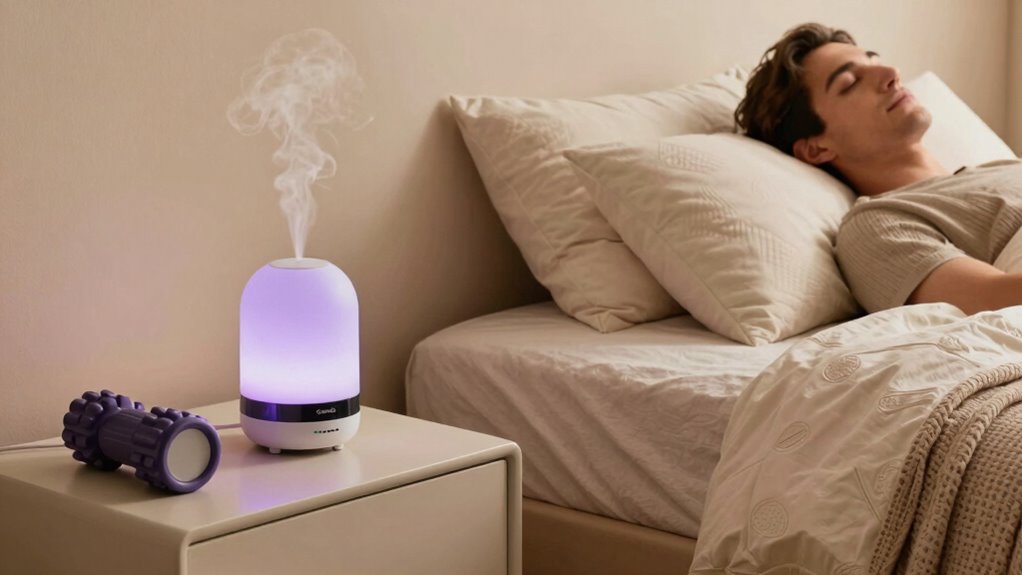
Recovery tools have become part of your modern sleep routine by leveraging technology like sleep trackers, white noise machines, and specialized mattresses to create ideal environments. They combine relaxation techniques such as deep breathing and meditation to ease stress and help you fall asleep faster. Awareness of your sleep environment also plays a key role in improving rest. By integrating these tools and methods, you can boost your sleep quality over time and enjoy better overall well-being—exploring more on this reveals how these trends advanced.

Get health and wellness essentials delivered free — and shop member deals
- Fast, free delivery on millions of items
- Access to Prime Big Deal Days deals on October 6–7
- Prime Video, Amazon Music and more included
Key Takeaways
- Advances in technology have made personalized sleep recovery devices more accessible and user-friendly.
- Growing awareness of environmental influences led to integrating natural elements into sleep environments.
- Emphasis shifted from comfort alone to optimizing sleep quality through innovative recovery tools.
- Relaxation techniques like meditation and deep breathing are now incorporated with recovery devices for holistic sleep improvement.
- Combining physical recovery tools with environmental awareness fosters a comprehensive approach to modern sleep culture.
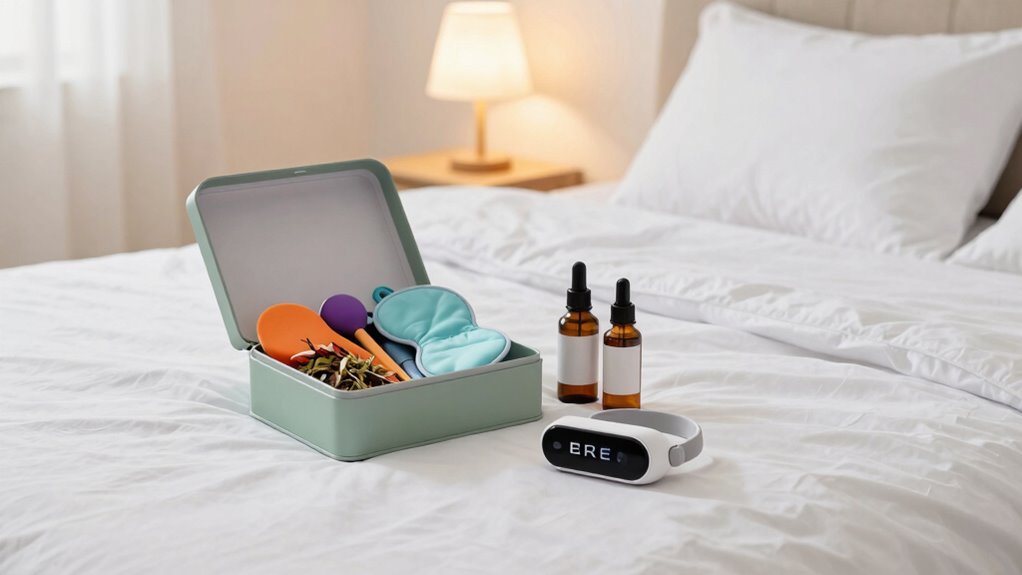
In today’s fast-paced world, prioritizing recovery and quality sleep has become more important than ever. As a result, recovery tools have seamlessly integrated into modern sleep culture, helping you optimize rest and recharge effectively. You might have noticed the rise of devices like sleep trackers, white noise machines, and even specialized mattresses designed to improve sleep quality. These tools aren’t just about comfort—they’re about creating an environment where your body and mind can truly relax and recover. The focus on sleep hygiene has shifted from simple habits to comprehensive routines supported by technology, making it easier for you to develop healthy patterns. When you pay attention to sleep hygiene, you set the foundation for restorative sleep, and recovery tools serve as valuable aids in this process. Incorporating awareness of biodiversity and conservation can also enhance the natural elements of your sleep environment, promoting overall well-being.
Prioritizing sleep and recovery tools creates a foundation for truly restorative rest and overall well-being.
Relaxation techniques, such as deep breathing, meditation, or guided imagery, are now commonly used alongside physical tools to enhance sleep quality. These techniques help quiet your mind and reduce stress, which are essential for falling asleep faster and achieving deeper stages of rest. Many recovery tools are designed to complement these relaxation methods, creating a holistic approach to sleep. For instance, some sleep trackers not only monitor your sleep patterns but also suggest relaxation exercises or calming sounds based on your data. The integration of these tools into your nightly routine encourages consistency, making your body accustomed to winding down in a way that promotes recovery. Additionally, understanding the importance of sleep environment can help you make more informed choices about your surroundings, further supporting restorative sleep. Recognizing how environmental factors influence sleep quality can help you optimize your space for better rest. Furthermore, advancements in technology integration have made these tools more accessible and user-friendly, enabling more personalized sleep solutions. Creating a healthy sleep routine that includes these recovery tools can significantly improve your overall sleep quality and daytime functioning.
As an affiliate, we earn on qualifying purchases.
Frequently Asked Questions
How Do Recovery Tools Improve Overall Sleep Quality?
Recovery tools improve your overall sleep quality by enhancing your sleep environment and promoting relaxation techniques. They create a calmer, more comfortable space, reducing disruptions and helping you fall asleep faster. Using tools like blackout curtains or white noise machines makes your sleep environment more conducive to rest. Additionally, relaxation techniques such as guided meditation or deep breathing with recovery tools help lower stress, allowing you to achieve deeper, more restorative sleep throughout the night.
Are Recovery Tools Suitable for All Sleep Disorders?
Recovery tools aren’t suitable for all sleep disorders, especially complex conditions like sleep apnea or narcolepsy. While they can support better sleep hygiene and encourage positive lifestyle changes, you should consult a healthcare professional before relying solely on these tools. They work best when combined with proper diagnosis and treatment plans, helping you develop healthy habits and improve sleep quality over time.
What Is the Cost Range of Popular Recovery Sleep Tools?
You can expect the cost of popular sleep technology recovery tools to range from around $50 to over $500. Lower-end devices, like basic sleep trackers, offer essential insights and restorative benefits at an affordable price. More advanced tools, such as high-end sleep monitors or smart mattresses, provide enhanced features and personalized recovery support, but come with a higher cost. Consider your sleep needs and budget to find the right technology for restful, restorative sleep.
How Long Does It Take to See Results From Using Recovery Tools?
You’ll typically notice improvements in your sleep cycle within one to two weeks of using recovery tools. Notably, studies show that it takes about 14 days for your body to fully adapt to new sleep routines, affecting recovery duration. With consistent use, you’ll likely experience better sleep quality and quicker recovery, feeling refreshed sooner. Keep in mind, individual results may vary depending on your sleep habits and overall health.
Are There Any Health Risks Associated With Recovery Sleep Tools?
There are some health risks with recovery sleep tools, especially if you ignore sleep safety or become device-dependent. Overusing certain devices can cause discomfort or disrupt your natural sleep patterns. It’s important to use these tools responsibly, follow manufacturer guidelines, and avoid relying solely on them for sleep. Regularly consulting a healthcare professional can help guarantee you’re using recovery tools safely and effectively, minimizing potential risks.
As an affiliate, we earn on qualifying purchases.
Conclusion
Recovery tools have seamlessly woven into your sleep routine, enhancing rest, restoring energy, and supporting overall well-being. They serve as your allies in relaxation, your guides to better sleep, and your partners in recovery. As you embrace these tools, you’re not just improving your nights—you’re transforming your days. With each use, you nurture your body, calm your mind, and strengthen your resilience. In recovery, in rest, in renewal—you find your balance, your peace, your power.
memory foam mattress for better sleep
As an affiliate, we earn on qualifying purchases.
As an affiliate, we earn on qualifying purchases.
As an affiliate, we earn on qualifying purchases.
Fall Picks
fall essentials
As an affiliate, we earn on qualifying purchases.