

After surgery, your sleep needs can change quickly because your body is working hard to heal, repair tissues, and fight inflammation. The physical stress and emotional ups and downs, like anxiety or discomfort, can also disrupt your sleep patterns. Medications may cause drowsiness or restlessness, making your sleep more unpredictable. as these factors shift, listening to your body and adjusting habits can help. To learn more about managing these changes, keep exploring.
Key Takeaways
- The body rapidly adjusts sleep needs to support tissue repair, inflammation reduction, and strength rebuilding during recovery.
- Medications used post-surgery can alter sleep patterns, causing increased drowsiness or insomnia.
- Emotional responses like stress or anxiety from surgery can disrupt sleep cycles unexpectedly.
- Physical demands and healing processes change quickly, prompting swift shifts in sleep requirements.
- Sleep environment and hygiene adjustments are often needed as recovery progresses, affecting sleep needs.

Recovering from surgery requires more than just following your doctor’s instructions; it also means prioritizing your sleep, which plays an essential role in healing. During this period, you might notice your sleep needs change rapidly, often more than you expected. Your body is working overtime to repair tissues, fight inflammation, and regain strength, and sleep is an indispensable part of that process. As your recovery progresses, you may find yourself feeling more tired during the day or experiencing disrupted sleep at night, which can be confusing if you’re used to a consistent sleep pattern. These changes happen quickly because your body’s demands have shifted greatly to support healing. One major factor influencing this swift change is the side effects of medications you might be taking. Pain relievers, antibiotics, and other drugs can interfere with your sleep cycles. Some medications cause drowsiness, leading to longer naps or more frequent sleep, while others might cause insomnia or restless sleep. These medication side effects can make it difficult to establish a normal sleep routine, and their impact can be felt within days of starting or adjusting medication. Understanding how these drugs affect your sleep can help you manage expectations and find ways to improve your rest, like adjusting dosing times or discussing alternatives with your healthcare provider. Beyond physical factors, your emotional well-being also plays an essential role in how your sleep needs evolve during recovery. Surgery can trigger emotional fluctuations—stress, anxiety, or even depression—that can make it hard to fall asleep or stay asleep. Emotions run high as you confront limitations, discomfort, or uncertainty about your recovery timeline, which can further impact your sleep quality. Recognizing and addressing these feelings—whether through relaxation techniques, support from loved ones, or professional help—can improve both your emotional state and your sleep quality. Additionally, understanding the importance of adequate rest during recovery can motivate you to prioritize sleep and implement healthy habits. Incorporating sleep hygiene practices such as maintaining a consistent sleep schedule and limiting screen time before bed can also be beneficial. Creating a calm and comfortable sleep environment** can significantly enhance the quality of your rest during recovery. Sleep quality can also be influenced by environmental factors, such as noise, light, or temperature, which should be optimized to support recovery. In just a few days, your sleep requirements can shift as your body adapts to these combined physical and emotional stressors. You might find yourself needing more rest to recover or experiencing periods of wakefulness during the night. The key is to listen to your body and adjust your sleep habits accordingly. Prioritize relaxing routines, maintain a comfortable sleep environment, and communicate any concerns about medication side effects or emotional distress with your healthcare team. Remember, your sleep pattern is a dynamic part of your recovery, and giving it the attention it deserves can greatly impact your healing process**.

Yojoker 4PCS Orthopedic Bed Wedge Pillow Set for Sleeping, Post Surgery Foam Pillow for Body, Back and Leg Pain Relief, Triangle Adjustable Support Pillow – Acid Reflux, Anti Snoring & GERD Sleeping
Ergonomic Design: Yojoker triangle pillow fits perfectly to the curve of the spine and is ergonomically designed,delivering optimal…
As an affiliate, we earn on qualifying purchases.
As an affiliate, we earn on qualifying purchases.
Frequently Asked Questions
Can Medication During Recovery Affect Sleep Patterns?
Yes, medication during recovery can affect your sleep patterns. Some medications may cause side effects like sleep disruption, making it harder to fall asleep or stay asleep. You might also experience vivid dreams or wake up feeling unrested. Always discuss potential side effects with your doctor, and report any sleep issues. Adjustments to your medication or timing can often help reduce sleep disturbances and improve your recovery experience.
How Does Pain Level Influence Sleep Quality Post-Surgery?
Pain levels considerably impact your sleep quality after surgery. When pain is poorly managed, it causes sleep disturbances, making it hard to fall asleep or stay asleep. Effective pain management helps reduce discomfort, allowing you to relax and achieve restorative sleep. If pain persists or worsens, it can lead to fragmented sleep and fatigue. Prioritizing proper pain control is essential for better sleep and faster recovery.
Are Specific Sleep Positions Recommended During Recovery?
Are you wondering what sleep positions are best during recovery? Ideal positioning is key to comfort and healing, so you should consider sleeping on your back with a pillow to elevate your legs or using supportive pillows to reduce strain. Comfort strategies like adjusting pillows and avoiding positions that put pressure on your surgical site help you rest better. Isn’t it worth finding the position that promotes healing and minimizes pain?
Does Age Impact How Quickly Sleep Needs Change After Surgery?
Yes, age impacts how quickly your sleep needs change after surgery. Older adults experience slower metabolism and recovery hormone fluctuations, which can extend recovery time and alter sleep patterns. Younger individuals often recover faster, with quicker adjustments in sleep needs due to more responsive metabolism and stable hormone levels. Recognizing these differences helps you adjust your sleep habits during recovery, ensuring better rest and healing at any age.
Can Psychological Factors Alter Sleep Recovery Processes?
Like a tightrope walker balancing amidst storms, your mind-body connection influences your sleep recovery. Psychological factors, such as stress or emotional resilience, can profoundly alter how quickly you regain restful sleep after surgery. When you nurture your emotional health, it bolsters your resilience, helping your body heal faster. Conversely, anxiety can prolong sleep issues, making recovery feel more arduous. Prioritizing mental well-being is essential for a smoother, quicker sleep recovery process.
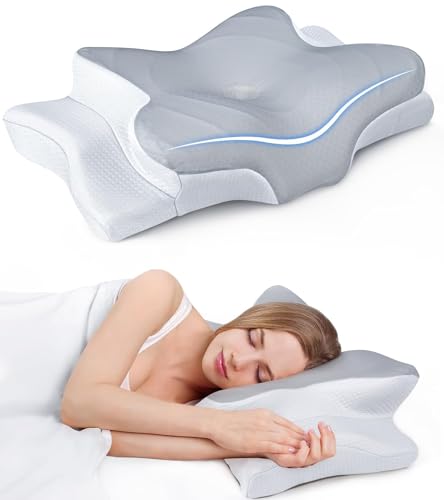
Ultra Pain Relief Cooling Pillow for Neck Support, Adjustable Cervical Pillow Cozy Sleeping, Odorless Ergonomic Contour Memory Foam Pillows, Orthopedic Bed Pillow for Side Back Stomach Sleeper
REVOLUTIONIZE YOUR SLEEP WITH THE INNOVATIVE HOLLOW CONCAVE DESIGN – Tired of waking up with neck pain and…
As an affiliate, we earn on qualifying purchases.
As an affiliate, we earn on qualifying purchases.
Conclusion
As you rest and heal, you’ll notice your sleep needs shift faster than you expected—almost as if your body’s trying to catch up, like a clock suddenly ticking in fast-forward. That coincidence of recovery and changing sleep patterns reminds you how intimately your body responds to healing, adjusting quickly to restore balance. Embrace these shifts, knowing each peaceful night brings you closer to full recovery, as if nature itself is working quietly behind the scenes to help you heal.

Boiron StressCalm Tablets for Relief of Stress, Anxiousness, Nervousness, Irritability, and Fatigue – 60 Count
PLANT-POWERED, MULTI-SYMPTOM STRESS RELIEF: StressCalm On the Go is powered by plants to relieve occasional symptoms of everyday…
As an affiliate, we earn on qualifying purchases.
As an affiliate, we earn on qualifying purchases.

te for Restless Nights & Irregular Sleep Cycles – Nox Super Sleep Natural Sleep Aid | Supports Relaxation, Melatonin Production & Circadian Rhythm Balance | Liquid Formula | Non-GMO | Made in USA
FALL ASLEEP FASTER AND SUPPORT RESTORATIVE SLEEP: Nox Super Sleep is formulated to help the body transition naturally…
As an affiliate, we earn on qualifying purchases.
As an affiliate, we earn on qualifying purchases.