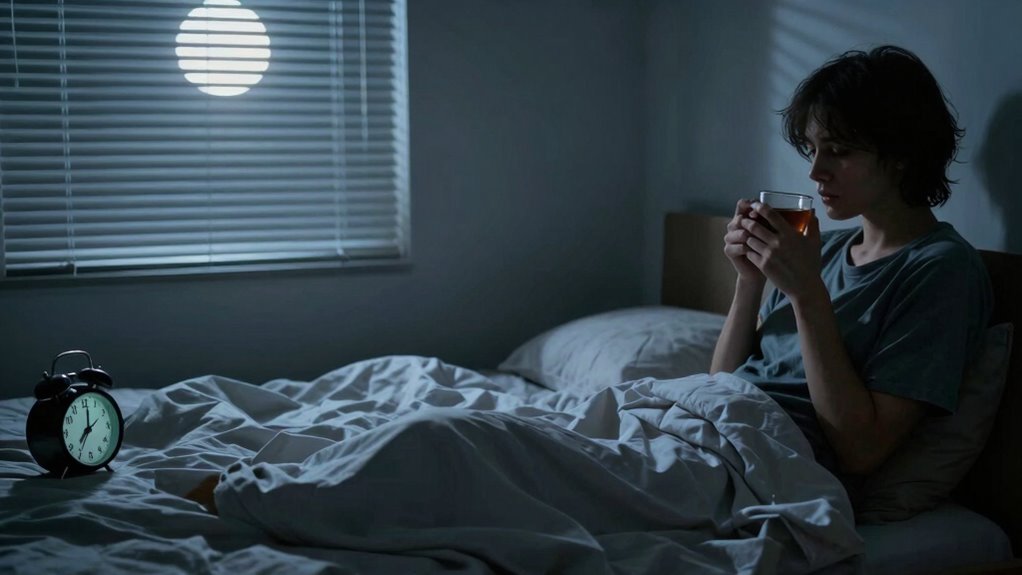

When sleep advice stops working, it often means there’s an underlying emotional or environmental issue you haven’t addressed. Your subconscious signals, dream symbols, or subtle environmental factors like noise and light may be sabotaging your rest. Even if you follow all the tips, unresolved stress, fears, or physical barriers can keep sleep elusive. By exploring these deeper signals and making targeted changes, you can uncover what truly disrupts your sleep—and find lasting relief.

Get health and wellness essentials delivered free with Prime
- Fast, free delivery on millions of items
- Prime Video, Amazon Music and more included
- Member-only deals all year
Key Takeaways
- Persistent sleep issues may indicate underlying emotional or psychological factors that basic advice does not address.
- Recurring dreams or symbols can reveal subconscious stressors impacting sleep quality.
- Subtle environmental factors like noise or light leaks can sabotage sleep despite following standard tips.
- Emotional conflicts or unresolved issues can interfere with restful sleep beyond physical habits.
- When sleep advice fails, exploring deeper signals and making targeted adjustments can restore healthy sleep patterns.
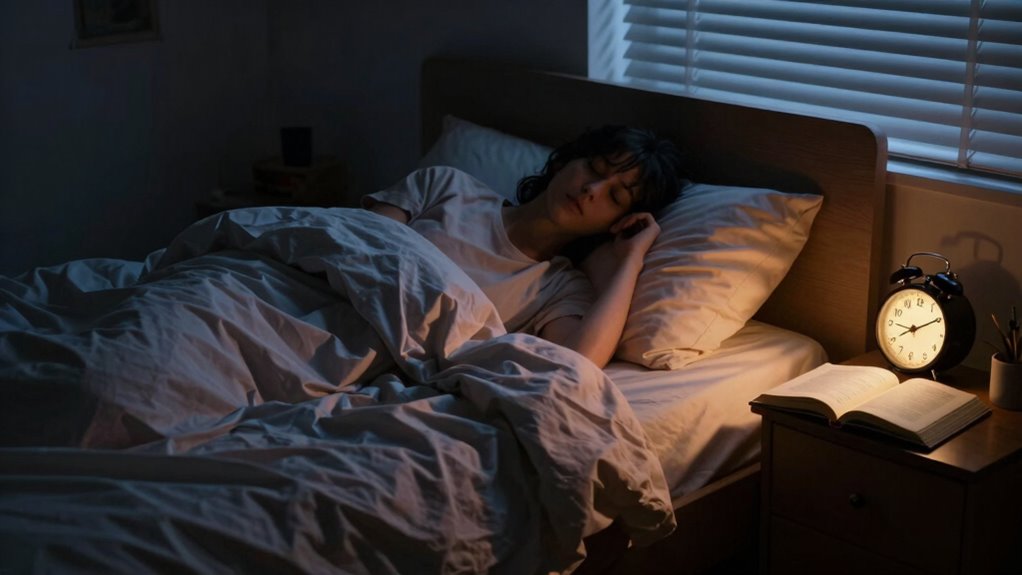
If you’ve been following sleep advice and still struggle to rest, you’re not alone. Sometimes, even when you make all the recommended changes—like sticking to a strict bedtime, avoiding screens before bed, or reducing caffeine—sleep still eludes you. This can feel frustrating, and you might wonder why the typical tips aren’t working anymore. One reason could be that your body and mind have deeper signals that traditional advice doesn’t address. For example, dream symbolism can reveal subconscious issues affecting your sleep, and your sleep environment might need a closer look beyond just darkness and comfort.
Even with healthy habits, subconscious signals and environment can disrupt sleep—listen to your dreams and optimize your space.
Your dreams often carry symbolic messages from your subconscious. If you notice recurring themes or vivid dreams, they could be trying to tell you something about your emotional state or unresolved stress. These dream symbols might be linked to anxieties, fears, or unresolved conflicts that keep your mind active at night. When you ignore these signals, your sleep can become disrupted, despite following general advice. Paying attention to your dreams and what they symbolize might help you identify underlying stressors that need addressing during the day. Sometimes, addressing emotional issues can improve sleep quality more than just adjusting your sleep environment or habits. Recognizing dream symbolism can provide valuable insights into your emotional health and its impact on your rest.
Speaking of sleep environment, it’s more than just making your room dark and cool. Even if your space seems ideal, subtle factors might be sabotaging your rest. Noise, light leaks, uncomfortable bedding, or even the placement of your bed can impact how deeply you sleep. If your sleep environment isn’t truly optimized for rest, no amount of advice to “go to bed early” or “avoid screens” will fully help. You might need to assess whether your surroundings support relaxation or inadvertently create a source of stress or distraction. Small changes, like blackout curtains, white noise machines, or better-quality mattress and pillows, can make a significant difference. Additionally, understanding sleep triggers and how they influence your rest can help you create a more supportive environment. Recognizing environmental factors that subtly interfere with sleep is essential for making lasting improvements. Sometimes, environmental factors like external noise pollution or light exposure can subtly impact your sleep quality more than you realize.
If sleep advice stops working, it’s a sign that you might have to look beyond the surface. Your dreams and your sleep environment are interconnected with your mental and emotional health. Recognizing dream symbolism can help you understand what your subconscious is trying to communicate, while refining your sleep environment can remove physical barriers to restful sleep. Sometimes, persistent sleep issues aren’t just about habits but about addressing deeper emotional and environmental factors. When you start listening to these signals and making targeted adjustments, you might find that sleep, which once seemed lost, becomes more accessible again.
Products Worth Considering

Withings Sleep Under-Mattress Sleep Tracking Pad

Oral-B iO Series 5 Rechargeable Electric Toothbrush with Travel Case and 3 Brush Heads, Black

Philips Sonicare 5950 Rechargeable Electric Toothbrush with 2 Brush Heads, Navy
As an affiliate, we earn on qualifying purchases.
Frequently Asked Questions
Can Stress Cause Sleep Advice to Become Ineffective?
Yes, stress impact can make sleep advice less effective because stress causes sleep resistance. When you’re stressed, your mind stays active, making it harder to relax and follow sleep routines. Even if you try new tips or routines, stress can override them, keeping you awake. Managing stress through relaxation techniques or mindfulness can help improve sleep and make your sleep advice work better.
How Long Should I Try New Sleep Routines Before Changing?
Think of trying new sleep routines like tuning an instrument; it takes time. You should give each new routine about 1-2 weeks to see if it works, paying attention to your body’s responses. Timing adjustments are essential, but consistency is even more important. If after two weeks you notice no improvement, consider tweaking your routine or consulting a specialist. Patience helps you find the right rhythm for restful sleep.
Are There Medical Conditions That Interfere With Sleep Advice?
Yes, medical conditions like sleep disorders can interfere with sleep advice, making standard routines less effective. Conditions such as insomnia, sleep apnea, or restless leg syndrome require specialized treatment beyond general tips. Also, medication effects can impact your sleep quality, either helping or hindering your rest. If sleep advice stops working, consider consulting a healthcare professional to identify underlying issues and develop a tailored plan.
Does Age Affect How Sleep Advice Works?
Yes, age affects how sleep advice works because aging patterns alter your sleep cycle, making it harder to fall asleep or stay asleep. As you get older, your sleep becomes lighter and more fragmented, so strategies that worked before may no longer be effective. You might need tailored approaches that address these changes, like adjusting bedtime routines or seeking medical advice to improve sleep quality in later years.
Can Diet Impact the Effectiveness of Sleep Strategies?
Yes, diet factors can impact how effective your sleep strategies are. Eating heavy or spicy meals close to bedtime can disrupt your sleep, despite good sleep hygiene practices. Caffeine and alcohol intake also interfere with rest, making it harder for your sleep advice to work. To improve your sleep, focus on a balanced diet, avoid stimulants before bed, and maintain consistent sleep hygiene habits, ensuring your diet supports restful sleep.
Conclusion
When sleep advice stops working, it’s a sign to rethink your approach. Nearly 30% of adults struggle with persistent sleep issues, showing how common but stubborn this problem can be. Instead of sticking to the same routines, consider exploring new strategies or consulting a specialist. Remember, your sleep is essential—prioritize it like a precious resource, because without good rest, even the best advice can fall short. Take control and find what truly helps you sleep soundly again.