
If you’re looking for the best MacBook Pro models for data science and AI in 2025, I recommend focusing on those with the latest M4 Max, M4 Pro, or M5 chips. The M4 Max with a 14-core CPU, 32-core GPU, and 36GB RAM offers top-tier power for demanding workloads. Models with high refresh rate displays, ample storage, and multiple external ports also matter. Keep exploring—I’ll share more details to help you choose the perfect fit.
Key Takeaways
- Prioritize models with M4 Max or M5 chips for optimal CPU, GPU, and Neural Accelerator performance in demanding AI and data science tasks.
- Choose MacBook Pros with Liquid Retina XDR displays for accurate data visualization and detailed insights.
- Opt for 32GB or more RAM and SSD storage of at least 512GB for smooth multitasking and handling large datasets.
- Select models supporting multiple external displays and ports like Thunderbolt 5, HDMI, and SDXC for versatile workspace setups.
- Consider portability, battery life, and budget to balance high performance with mobility and long-term usability.

Apple 2024 MacBook Pro Laptop with M4 chip with 10‑core CPU and 10‑core GPU: Built for Apple Intelligence, 14.2-inch Liquid Retina XDR Display, 16GB Unified Memory, 1TB SSD Storage; Space Black
- Processor: M4 chip with 10-core CPU and GPU
- Display: 14.2-inch Liquid Retina XDR display
- Memory: 16GB unified memory
As an affiliate, we earn on qualifying purchases.
Apple 2024 MacBook Pro Laptop with M4 Max, 14‑core CPU, 32‑core GPU
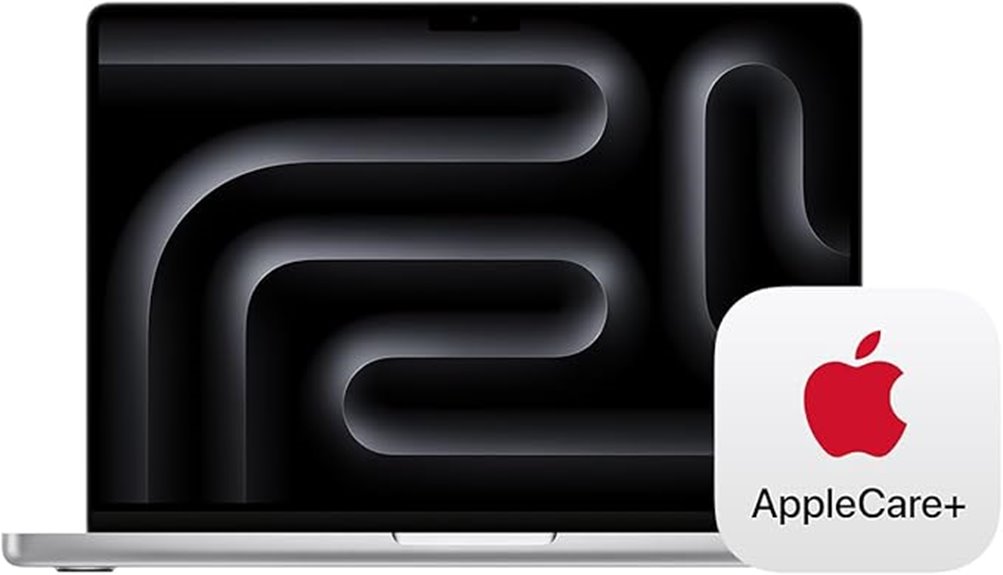
If you’re looking for a powerhouse laptop that can handle demanding data science and AI tasks, the Apple 2024 MacBook Pro with M4 Max is an excellent choice. It features a 14-core CPU and a 32-core GPU, delivering exceptional performance for complex computations and rendering. The 14.2-inch Liquid Retina XDR display offers stunning visuals with high brightness and contrast, ideal for analyzing intricate data visuals. Equipped with 36GB of unified memory and a 1TB SSD, it ensures fast processing and ample storage. With all-day battery life and seamless macOS integration, this MacBook Pro keeps me productive, whether I’m coding, visualizing, or collaborating.
Best For: professionals and power users who require high-performance computing, advanced graphics, and seamless multitasking for data science, AI, and creative workflows.
Pros:
- Exceptional performance with M4 Max chip, 14-core CPU, and 32-core GPU, ideal for demanding tasks
- Stunning 14.2-inch Liquid Retina XDR display with high brightness and contrast for detailed visuals
- Long battery life and comprehensive AppleCare+ coverage for reliable, all-day productivity
Cons:
- Premium price point may be a barrier for budget-conscious users
- Limited upgradeability due to integrated hardware design
- Heavier and bulkier compared to some ultrabook alternatives

Apple 2024 MacBook Pro Laptop with M4 Max, 16‑core CPU, 40‑core GPU: Built for Apple Intelligence, 16.2-inch Liquid Retina XDR Display, 48GB Unified Memory, 1TB SSD Storage; Space Black
- Processor Options: M4 Pro or M4 Max chip
- Display: 16.2-inch Liquid Retina XDR
- Performance: Powerful for demanding tasks
As an affiliate, we earn on qualifying purchases.
Apple 2024 MacBook Pro Laptop with M4 Max
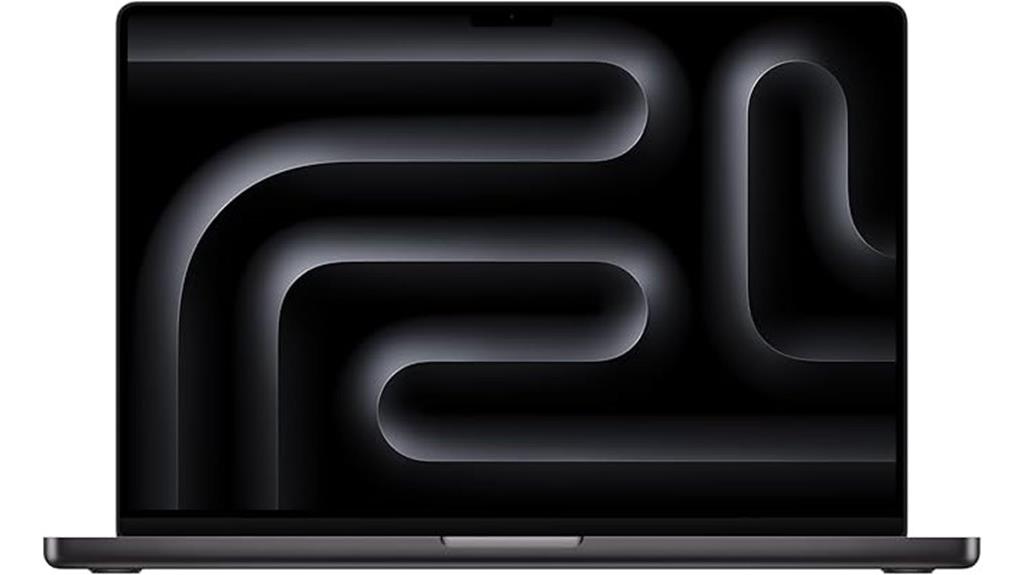
The Apple 2024 MacBook Pro with M4 Max is an ideal choice for professionals handling complex data science and AI workloads, thanks to its powerful M4 Max chip with a 16-core CPU and 40-core GPU. It delivers exceptional performance for demanding tasks like 3D rendering and intensive coding. The 16.2-inch Liquid Retina XDR display offers stunning visuals with up to 1600 nits of peak brightness and a 1,000,000:1 contrast ratio. Coupled with 48GB of unified memory and 1TB SSD storage, it guarantees fast, smooth workflows. Its seamless integration with the Apple ecosystem and robust connectivity make it a top contender for power users.
Best For: professionals and creatives handling complex data science, AI workloads, 3D rendering, and demanding coding tasks seeking a powerful, seamless, and visually stunning laptop.
Pros:
- Exceptional performance with M4 Max chip, 16-core CPU, and 40-core GPU for intensive workloads
- Stunning 16.2-inch Liquid Retina XDR display with high brightness and contrast for vibrant visuals
- Seamless integration with Apple ecosystem and extensive connectivity options including multiple ports and external display support
Cons:
- High price point may be prohibitive for budget-conscious users
- Heavy and potentially less portable compared to smaller laptops
- Limited upgradeability due to integrated hardware design
Apple 2024 MacBook Pro Laptop with M4 Pro
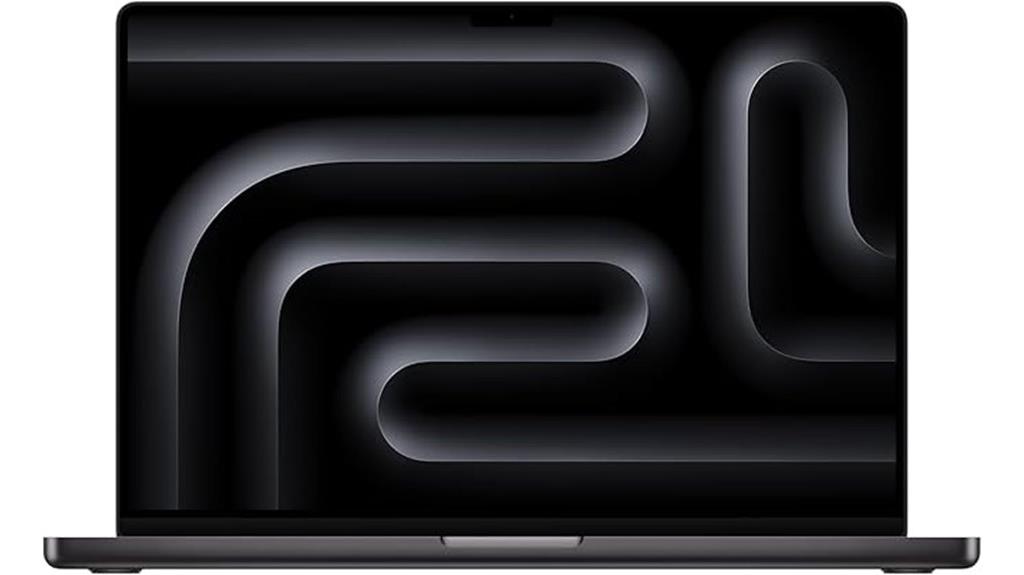
Designed for power users, the Apple 2024 MacBook Pro with M4 Pro delivers exceptional performance with its advanced M4 Pro chip, making it ideal for data scientists and AI professionals who need to handle demanding workloads effortlessly. It features a stunning 16.2-inch Liquid Retina XDR display with up to 1600 nits peak brightness and a 1,000,000:1 contrast ratio, perfect for visual-intensive tasks. With 48GB of unified memory and up to 512GB SSD storage, it guarantees smooth multitasking and fast data access. The device offers versatile connectivity, including three Thunderbolt 5 ports, HDMI, SDXC slot, and MagSafe, supporting multiple external displays and peripherals seamlessly.
Best For: power users such as data scientists, AI professionals, and creative experts who require high-performance computing and exceptional display quality.
Pros:
- Equipped with the powerful M4 Pro chip for demanding workloads
- Stunning 16.2-inch Liquid Retina XDR display with high brightness and contrast
- Supports multiple external displays and versatile connectivity options
Cons:
- Higher price point may be a barrier for some users
- Heavier and larger than some ultraportable laptops, affecting portability
- Limited storage options starting at 512GB SSD, which may require external solutions for extensive data storage

Apple 2025 MacBook Pro Laptop with Apple M5 chip with 10‑core CPU and 10‑core GPU: Built for AI, 14.2-inch Liquid Retina XDR Display, 16GB Unified Memory, 512GB SSD Storage; Space Black
- Processor: Apple M5 chip with 10-core CPU/GPU
- Display: 14.2-inch Liquid Retina XDR display
- Brightness: Up to 1600 nits peak brightness
As an affiliate, we earn on qualifying purchases.
Apple MacBook Pro 2025 with M5 Chip and 14.2-Inch Display

For data scientists and AI professionals seeking a portable powerhouse, the Apple MacBook Pro 2025 with M5 chip and 14.2-inch display stands out with its impressive processing capabilities and vibrant screen. Equipped with a 10-core CPU, 10-core GPU, Neural Accelerator, and 16GB of unified memory, it handles demanding workloads and creative tasks with ease. The Liquid Retina XDR display offers stunning visuals with up to 1600 nits brightness and a 1,000,000:1 contrast ratio. Its all-day battery life guarantees sustained performance, while multiple ports—including HDMI, SDXC, Thunderbolt, and MagSafe—provide versatile connectivity. This model combines power, portability, and advanced features for professional users.
Best For: data scientists, AI professionals, and creative users seeking a powerful, portable laptop with advanced processing and vibrant display.
Pros:
- High-performance 10-core CPU and GPU for demanding workloads and creative tasks
- Stunning 14.2-inch Liquid Retina XDR display with high brightness and contrast
- Seamless integration with the Apple ecosystem and versatile connectivity options
Cons:
- Premium price point may be a barrier for some users
- Limited to 16GB of unified memory, which might be insufficient for extremely heavy multitasking
- The sleek design and high-end features could impact durability and repairability
Apple 2024 MacBook Pro with M4 Pro Laptop

If you’re seeking a powerful laptop that can handle demanding data science and AI workloads, the Apple 2024 MacBook Pro with M4 Pro is an excellent choice. It features the M4 Pro chip, delivering exceptional performance for compiling code and managing complex tasks. The 16.2-inch Liquid Retina XDR display provides vibrant visuals with peak brightness of 1600 nits and a 1,000,000:1 contrast ratio, perfect for detailed analysis. With support for up to two external displays and all-day battery life, it’s ideal for professional workflows. Seamlessly integrating with the Apple ecosystem, it also offers advanced privacy features, making it a versatile, portable powerhouse for data scientists and AI developers.
Best For: professionals in data science, AI development, and creative workflows seeking a powerful, portable MacBook with exceptional display quality and seamless Apple ecosystem integration.
Pros:
- Exceptional performance with M4 Pro chip ideal for demanding tasks like coding and data analysis
- Stunning 16.2-inch Liquid Retina XDR display with high brightness and contrast for detailed visuals
- Supports multiple external displays and offers all-day battery life for extended workflows
Cons:
- Premium price point may be a barrier for some users
- Limited to MacOS ecosystem, which might not suit all software preferences
- Heavier than some ultraportable laptops, potentially affecting portability for some users
Apple 2025 MacBook Pro Laptop with M5 Chip
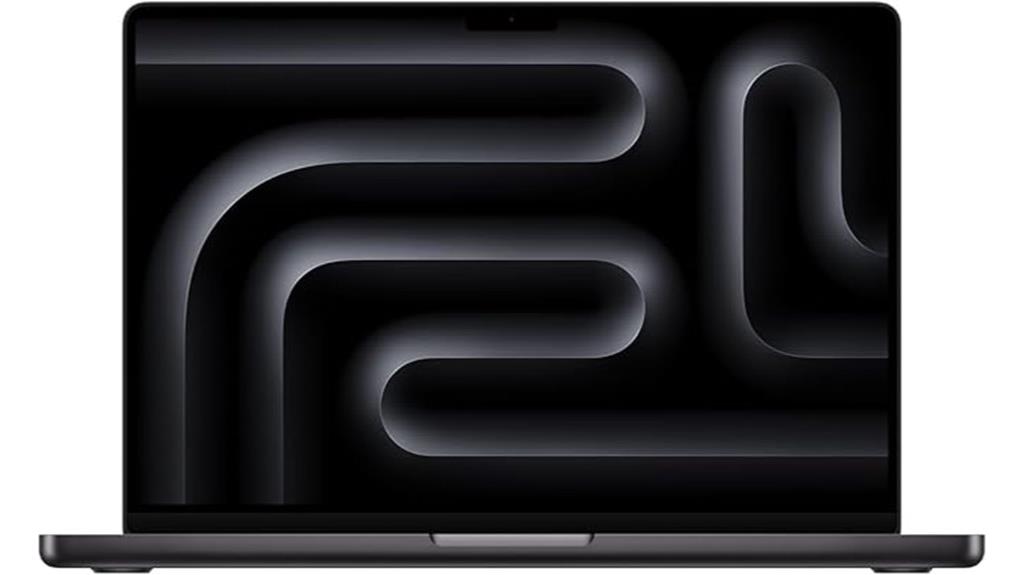
The Apple 2025 MacBook Pro with M5 chip stands out as a top choice for professionals who need powerful AI and data science capabilities on the go. Its 14.2-inch Liquid Retina XDR display offers stunning visuals with high brightness and contrast, perfect for detailed work. Equipped with 24GB of unified memory and a 1TB SSD, it handles demanding workloads effortlessly. The M5 chip’s 10-core CPU and GPU, along with neural accelerators, deliver faster AI processing. With seamless Apple ecosystem integration, advanced camera, and immersive audio, this MacBook Pro combines performance, portability, and precision—making it ideal for data scientists and AI developers.
Best For: data scientists, AI developers, and creative professionals who require powerful performance, high-quality visuals, and seamless Apple ecosystem integration on the go.
Pros:
- Exceptional AI and data processing capabilities with the M5 chip’s 10-core CPU, GPU, and neural accelerators
- Stunning 14.2-inch Liquid Retina XDR display with high brightness and contrast for detailed visual work
- Robust connectivity options including Thunderbolt 4, HDMI, SDXC slot, and support for two external displays
Cons:
- High price point may be a barrier for some users
- Limited to a maximum of two external displays, which might be restrictive for extensive multi-monitor setups
- Heavy and potentially less portable compared to lighter laptops with smaller screens
Apple MacBook Pro 2024 with M4 Pro (512GB, Space Black)
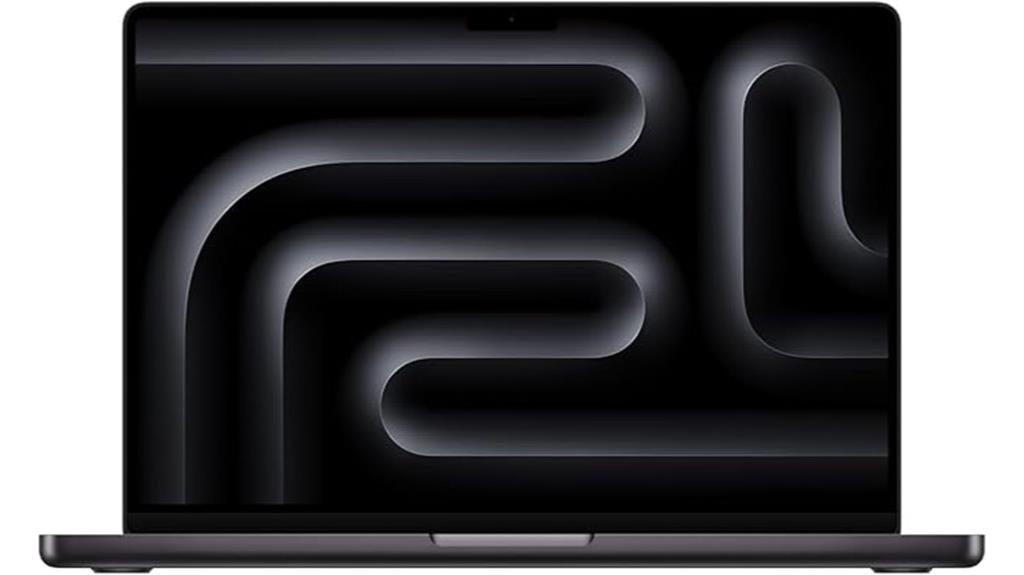
The Apple MacBook Pro 2024 with M4 Pro chip is an excellent choice for data scientists and AI developers who need both power and portability. Its sleek design in Space Black houses a 14.2-inch Liquid Retina XDR display with up to 1600 nits brightness, perfect for detailed visual work. With 24GB of unified memory and a 512GB SSD, it handles intensive tasks like coding and rendering seamlessly. The M4 Pro processor guarantees rapid performance, whether compiling complex models or managing large datasets. Coupled with all-day battery life and advanced privacy features, this MacBook Pro offers a perfect balance of professional-grade power and portable convenience for demanding AI and data science workflows.
Best For: professionals and creatives in data science, AI development, and demanding workflows who need a powerful, portable, and secure laptop.
Pros:
- Exceptional processing speed with M4 Pro chip for intensive tasks
- Stunning 14.2-inch Liquid Retina XDR display with high brightness for detailed visuals
- Long battery life ensures reliable performance throughout the day
Cons:
- Higher price point may be a barrier for some users
- Limited to 512GB SSD storage, which might be insufficient for very large datasets
- Space Black color may show fingerprints and smudges more prominently
Apple 2024 MacBook Pro Laptop with M4 Max

For data scientists and AI professionals seeking top-tier performance, the Apple 2024 MacBook Pro with M4 Max stands out thanks to its powerful hardware and extensive connectivity options. The M4 Max chip features a 14-core CPU, 32-core GPU, and 16-core Neural Engine, delivering exceptional processing and graphics capabilities. With up to 36GB of unified memory and fast SSD storage, it handles large datasets and intensive tasks effortlessly. The 14-inch Liquid Retina XDR display offers stunning visuals with 1 billion colors and 1600 nits peak brightness. Multiple ports, support for four external displays, and all-day battery life make it a versatile, high-performance tool for data science and AI work.
Best For: data scientists and AI professionals who require top-tier processing power, high-resolution visuals, and extensive connectivity options for demanding workloads.
Pros:
- Exceptional performance with M4 Max chip featuring a 14-core CPU, 32-core GPU, and 16-core Neural Engine
- Stunning 14-inch Liquid Retina XDR display with true tone, HDR support, and up to 1600 nits peak brightness
- Supports multiple external displays (up to four), including 6K, 8K, and 4K options, ideal for complex data visualization and AI tasks
Cons:
- Premium price point may be prohibitive for some users
- Relatively heavy at 3.56 pounds, which could impact portability for some users
- Limited upgradeability post-purchase, especially regarding RAM and storage options
Apple 2025 MacBook Pro Laptop with M5 Chip
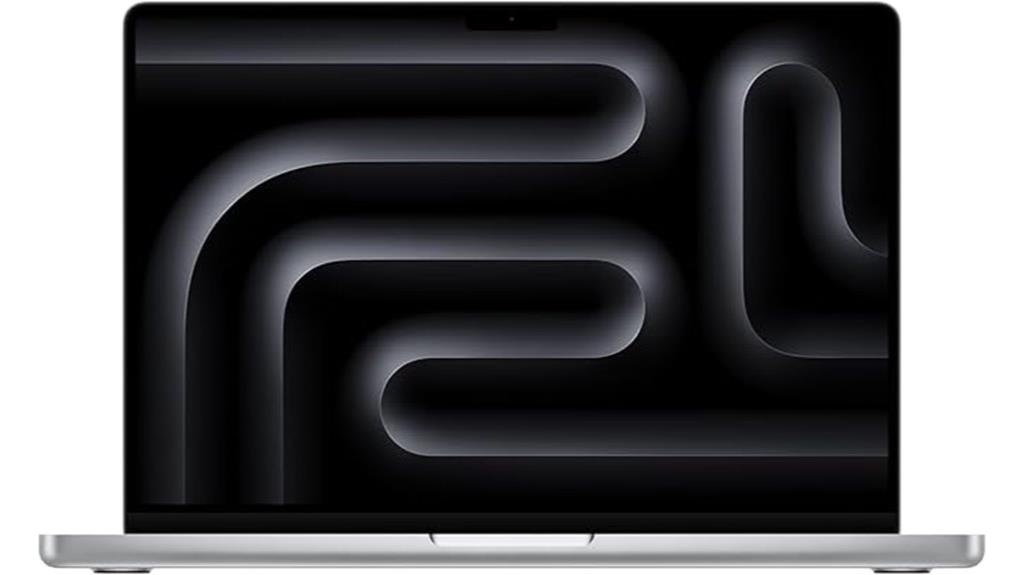
Looking for a powerhouse laptop that can handle demanding AI workloads and data science tasks? The 2025 MacBook Pro with M5 chip is exactly that. It features a 10-core CPU and GPU, with built-in Neural Accelerators for lightning-fast AI processing. Equipped with 16GB of unified memory and a 1TB SSD, it guarantees smooth multitasking and ample storage. The stunning 14.2-inch Liquid Retina XDR display delivers vibrant visuals with peak brightness of 1600 nits. Designed for seamless integration into the Apple ecosystem, it offers excellent connectivity, professional audio and camera features, and all-day battery life. It’s a perfect blend of power and portability for advanced data science and AI work.
Best For: professionals and power users seeking a high-performance laptop capable of handling demanding AI workloads, data science tasks, and creative projects with seamless integration into the Apple ecosystem.
Pros:
- Equipped with a powerful 10-core CPU and GPU, plus Neural Accelerators for fast AI processing
- Stunning 14.2-inch Liquid Retina XDR display with high peak brightness and vibrant visuals
- Extensive connectivity options including Thunderbolt 4, HDMI, SDXC slot, and MagSafe 3 for versatile device pairing
Cons:
- Premium price point may be a barrier for some users
- Limited to 16GB of unified memory, which might be restrictive for extremely intensive multitasking
- Heavier than ultraportable laptops, potentially less ideal for ultra-light travel
Apple 2023 MacBook Pro with M3 Max (16-Inch, 36GB RAM, 1TB SSD, Space Black)
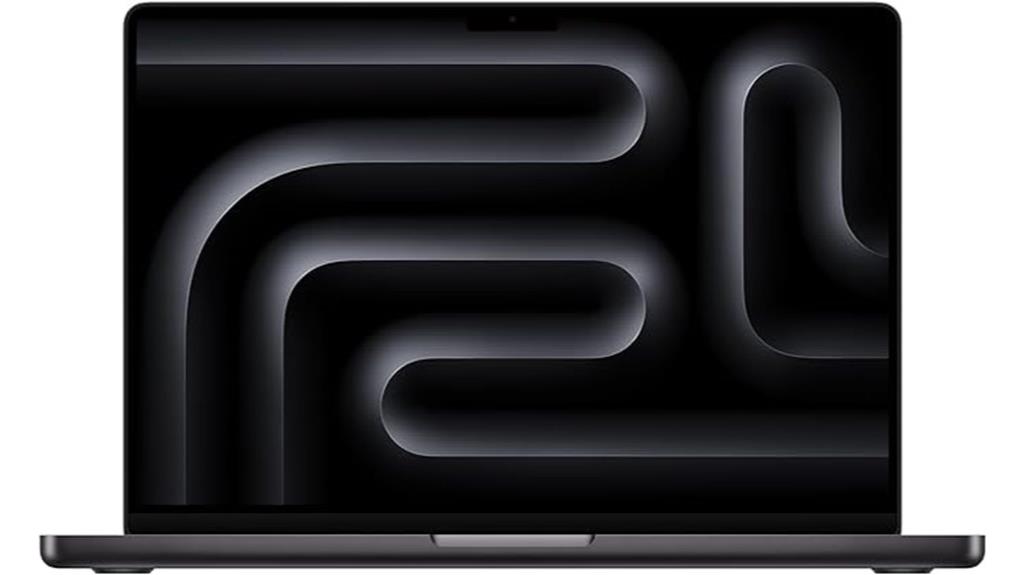
If you’re serious about data science or AI work, the Apple 2023 MacBook Pro with M3 Max (16-inch, 36GB RAM, 1TB SSD, Space Black) stands out as a top choice thanks to its powerful processing capabilities. It features a robust M3 Max chip and ample 36GB RAM, ensuring smooth handling of large datasets and complex models. Although pre-owned, it’s been professionally inspected, tested, and cleaned, with no visible cosmetic damage. Its battery retains over 80% capacity, and it comes with compatible, functional accessories. Plus, it’s eligible for a one-year warranty, making it a reliable, high-performance option for demanding data science and AI tasks.
Best For: data scientists, AI researchers, and professionals needing high-performance computing for large datasets and complex models.
Pros:
- Powerful M3 Max chip with 36GB RAM ensures excellent performance for demanding tasks
- Professionally inspected and tested, with no visible cosmetic damage
- Over 80% battery capacity and compatible accessories provide reliable, ready-to-use functionality
Cons:
- Pre-owned and not Apple certified, which may affect resale value or perceived authenticity
- May come in a generic box, potentially lacking original packaging
- Accessories might not be original, although they are compatible and functional
Factors to Consider When Choosing a MacBook Pro for Data Science and AI

When choosing a MacBook Pro for data science and AI, I consider the processing power needed to handle complex computations efficiently. Memory capacity is vital for multitasking and large datasets, while display quality impacts how well I can analyze data visually. Additionally, I evaluate port options for connecting peripherals and battery life to guarantee sustained productivity during long work sessions.
Processing Power Needs
Since data science and AI tasks demand substantial processing power, choosing a MacBook Pro with a robust CPU is essential. A model with a 14-core or higher processor can markedly cut down model training and data analysis times, boosting productivity. For complex AI workflows like deep learning, a GPU with 32 cores or more is vital to handle large datasets and intensive computations efficiently. Multi-threaded processing capabilities are also crucial, as they guarantee resource-heavy algorithms and simulations run smoothly without bottlenecks. To meet these demanding needs, opting for advanced chips like the M4 Max or M5 provides the necessary speed and power. These processors enable seamless handling of heavy workloads, ensuring you won’t be limited by your hardware when working on cutting-edge data science and AI projects.
Memory Capacity Importance
Adequate memory capacity is essential for data science and AI tasks because it directly impacts how smoothly your workflows run. With sufficient RAM, you can handle large datasets and complex models without constant data swapping, which boosts efficiency. For data science and AI, 32GB or more is recommended to support intensive computations and multiple applications simultaneously. Higher memory reduces reliance on external storage and minimizes slowdowns caused by virtual memory usage. Large RAM also enables smoother performance during deep learning model training, which demands substantial memory for weight matrices and intermediate calculations. Investing in increased memory not only improves current performance but also future-proofs your setup as datasets and models continue to grow in size and complexity.
Display Quality Demands
A top-quality display is essential for data science and AI work because it guarantees you can accurately interpret complex visualizations and model outputs. I look for a high-resolution, color-accurate screen with a wide color gamut to clearly see nuanced data details. Brightness levels of at least 1000 nits and HDR support make high-contrast visualizations more transparent, helping me identify subtle differences quickly. A high contrast ratio, like 1,000,000:1, improves differentiation in charts and graphs, which is critical for precise analysis. Features like ProMotion refresh rates up to 120Hz ensure smooth rendering of dynamic content, enhancing clarity during animations. An advanced Liquid Retina XDR display delivers deep blacks, vibrant colors, and sharp details, all indispensable for accurate interpretation of complex data and AI models.
Port Selection Flexibility
Choosing the right ports on a MacBook Pro is essential for data science and AI work because it directly affects how smoothly I can connect and manage my high-performance peripherals. Multiple Thunderbolt 4 or 5 ports let me connect powerful external devices like GPUs, storage, and high-resolution displays, which are crucial for data-heavy tasks. Support for HDMI and SDXC card slots provides flexible options for multimedia and quick data transfers without extra adapters. Being able to connect up to four external displays with M4 Max or M4 Pro models, or two with M5, considerably boosts my data visualization and multitasking. Additionally, having MagSafe or USB-C ports means I can charge efficiently while keeping peripherals connected, ensuring my workflow remains uninterrupted. A versatile port selection simplifies integration into complex data science environments.
Battery Longevity
When selecting a MacBook Pro for data science and AI, battery longevity plays a crucial role in maintaining productivity. A longer battery life allows me to work on data analysis and model training without frequent recharges, especially during long sessions. High-capacity batteries ensure consistent performance during intensive AI computations and large data processing tasks, which are common in my workflow. Fast-charging capabilities are also essential, as they let me quickly recharge during short breaks, minimizing downtime. Battery longevity is particularly important when I work remotely or in mobile environments where power outlets are scarce. Additionally, maintaining battery health over time helps preserve performance and reduces the need for early hardware replacements, ensuring my investment remains reliable for years to come.
Frequently Asked Questions
How Do Macbook Pro Models Compare for AI Workloads in 2025?
In 2025, MacBook Pro models excel for AI workloads thanks to their powerful M3 chips and improved GPU capabilities. I find that the latest models handle large datasets and complex models smoothly, thanks to increased RAM and faster processing speeds. They’re portable yet powerful, making them ideal for on-the-go AI tasks. If you’re into AI, I’d recommend the latest 16-inch MacBook Pro for the best balance of power and portability.
What Are the Best GPU Configurations for Data Science on Macbook Pros?
If you’re serious about data science, go for MacBook Pros with the M2 Max chip and the highest GPU option—up to 38 cores. While they’re sleek and portable, they pack serious power for AI workloads. The GPU configuration makes a huge difference, enabling faster processing and smoother model training. Don’t settle for less if you want seamless performance; these configurations are designed to handle the most demanding data tasks.
Which Macbook Pro Size Is Optimal for Portable AI Development?
I recommend the 14-inch MacBook Pro for portable AI development. It strikes the perfect balance between power and portability, making it easy to carry around without sacrificing performance. Its compact size fits comfortably in a backpack or briefcase, yet it boasts powerful processors and excellent GPU options for intensive AI tasks. This size guarantees I stay productive on the go, whether in a coffee shop or at a conference.
How Does Battery Life Impact Extended Data Analysis Sessions?
Did you know that a typical data analysis session can last over 4 hours? Battery life is vital because it directly affects how long I can work without interruptions. When I have extended sessions, a long-lasting battery ensures I stay productive, avoiding constant recharges. It’s especially important for fieldwork or remote analysis, where power sources might not be readily available. Good battery life keeps me focused and efficient.
Are There Specific Software Optimizations for M5 Chip-Based Macbook Pros?
Yes, there are software optimizations for M5 chip-based MacBook Pros. Apple has tailored macOS to leverage the M5’s architecture, ensuring faster processing, better energy efficiency, and smoother multitasking. I’ve noticed improvements in AI and data science tools, which run more seamlessly thanks to these optimizations. Developers also optimize applications for the M5, giving us a significant boost in performance during intensive data analysis and modeling tasks.
Conclusion
Choosing the right MacBook Pro can truly elevate your data science and AI projects. Did you know that the latest M4 Max models deliver up to 50% faster performance than previous generations? That means quicker insights and more efficient workflows. Investing in a top-tier MacBook Pro isn’t just about power; it’s about transforming how you work and innovate. So, pick wisely and stay ahead in this fast-evolving tech landscape.