
Sleeping pills work by enhancing your brain’s chemical signals, mainly increasing GABA activity to promote relaxation and help you fall asleep faster. They can also impact memory and cognitive functions temporarily, and long-term use may lead to dependency or tolerance, making it harder to sleep without medication. Additionally, side effects like drowsiness, coordination problems, and increased fall risk are common. To understand how to use these safely and minimize risks, keep exploring this topic further.
Key Takeaways
- Sleeping pills enhance GABA activity in the brain, promoting relaxation and faster sleep onset.
- They can cause side effects like daytime drowsiness, impaired coordination, and increased fall risk.
- Long-term use may lead to tolerance, dependency, and withdrawal symptoms upon discontinuation.
- Some medications can impair memory, reduce learning ability, and temporarily affect cognitive functions.
- Use should be cautious and under medical supervision to minimize risks and manage potential adverse effects.

Sleeping pills work by targeting your brain’s chemical processes to help you fall asleep more easily. When you take these medications, they interact with neurotransmitters—chemical messengers in your brain—that regulate your sleep-wake cycle. Many sleeping pills enhance the activity of gamma-aminobutyric acid (GABA), a neurotransmitter that promotes relaxation and reduces brain activity. By increasing GABA’s effects, these drugs make you feel calmer and drowsier, helping you drift off faster and stay asleep longer.
Sleeping pills enhance GABA activity to promote relaxation and improve sleep.
However, it’s important to understand that these effects don’t come without potential downsides. One major concern is their impact on your memory. Some sleeping pills, especially those with sedative properties, can impair cognitive functions temporarily. You might find that your ability to recall recent events or learn new information diminishes after taking certain medications. This isn’t just a minor inconvenience; in some cases, it can affect your daily functioning, especially if you use these drugs regularly. The effects on memory can vary depending on the specific type of sleeping pill, dosage, and how long you’ve been using it. While some people experience minimal effects, others might notice significant memory lapses, which can be troubling and impact your overall quality of life.
Dependency concerns are another critical issue to consider with sleeping pills. Many of these medications, especially benzodiazepines and certain newer sedative-hypnotics, carry a risk of dependency if used long-term or in higher doses than recommended. You might start relying on them to fall asleep, finding it difficult to sleep naturally without their aid. Over time, your body can develop a tolerance, meaning you need higher doses to achieve the same effect, which increases your risk of dependency. This can lead to a cycle where you feel unable to sleep without the medication, raising concerns about withdrawal symptoms if you ever try to stop. Dependency isn’t solely about physical addiction; psychological reliance can also develop, making it harder for you to sleep even if the medication is no longer helping.
In addition to memory effects and dependency concerns, you should also be aware of other risks, such as daytime drowsiness, impaired coordination, and increased fall risk, especially in older adults. While sleeping pills can offer relief from insomnia, they should be used cautiously and under medical supervision to prevent adverse effects. Understanding how these medications work and their potential risks can help you make informed decisions about managing your sleep issues safely.

GABA L-Theanine 900 mg – Magnesium | Vitamin B6 – Calm, Sleep, Relaxation & Mood Support – Lab Tested – 750 mg Gamma AminoButyric Acid, 150 mg L-Theanine – Non-Habit Forming, Vegan – 120 Capsules
GABA 750MG CAPSULES — discover tranquility in every capsule with our premium 750mg GABA formula, thoughtfully designed to…
As an affiliate, we earn on qualifying purchases.
As an affiliate, we earn on qualifying purchases.
Frequently Asked Questions
Can Sleeping Pills Cause Dependency or Addiction?
Yes, sleeping pills can cause dependence or addiction. When you use them regularly, you risk dependence development, making it difficult to sleep without the medication. If you stop suddenly, withdrawal symptoms might appear, such as anxiety, irritability, or insomnia. To minimize these risks, follow your doctor’s guidance and avoid long-term, unsupervised use. Being aware of dependence development helps you manage your sleep health safely.
What Are Common Side Effects of Sleeping Pills?
A stitch in time saves nine, so knowing side effects helps you avoid bigger problems. Common side effects of sleeping pills include dizziness, daytime drowsiness, and headaches. They can also cause memory issues and gastrointestinal problems. To improve sleep quality and reduce risks, always follow dosage considerations carefully. If you notice persistent side effects, consult your healthcare provider promptly to adjust your treatment plan.
Are There Natural Alternatives to Sleeping Pills?
Yes, you can try natural alternatives like herbal remedies such as chamomile, valerian root, or melatonin supplements. Improving your sleep hygiene—like maintaining a consistent sleep schedule, avoiding screens before bed, and creating a relaxing bedtime routine—also helps. These approaches promote better sleep naturally, reducing reliance on medications. Remember, consult with a healthcare professional before trying new herbal remedies or significant changes to your sleep habits.
How Long Do Sleeping Pills Stay in Your System?
Sleeping pills typically stay in your system for about 8 to 12 hours, making drug interactions and dosage timing essential. Ironically, while they’re meant to help you sleep, they can linger just long enough to cause morning grogginess or unexpected side effects. You might think you’re safe after a few hours, but their presence can subtly influence your day. Always consider how long they remain in your system before planning activities or medications.
Can Sleeping Pills Be Used Safely Long-Term?
You shouldn’t use sleeping pills long-term without medical guidance, as tolerance development can occur, making them less effective over time. This might lead to increased dosage adjustments, raising your risk of dependency and side effects. Always consult your healthcare provider to evaluate whether long-term use is safe for you and explore alternative treatments for managing sleep issues safely and effectively.
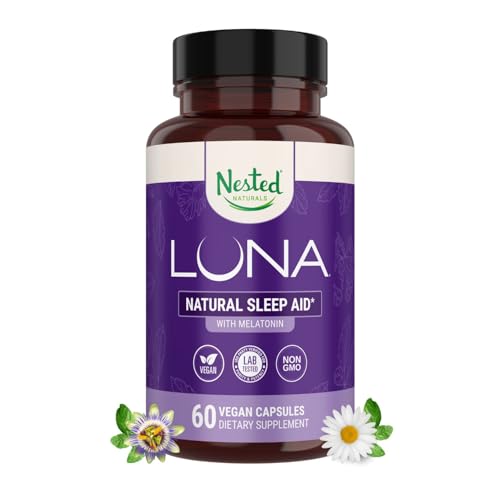
Nested Naturals Luna Sleep Aid – Non-Habit Forming Natural Sleeping Pills for Adults with Naturally Sourced Ingredients – Valerian Root, Melatonin, Chamomile, Lemon Balm, & More – 60 Vegan Capsules
Natural Sleep Ingredients: Luna features a combination of ingredients known for their sleep-enhancing properties. Each ingredient is carefully…
As an affiliate, we earn on qualifying purchases.
As an affiliate, we earn on qualifying purchases.
Conclusion
Understanding how sleeping pills work can help you make informed choices about your sleep health. For example, imagine struggling to fall asleep before an important meeting, then taking a pill that helps you relax and rest peacefully. But remember, these medications aren’t a cure-all—they come with risks like dependence or side effects. Always talk to your doctor before using them, so you can find safe, effective ways to improve your sleep naturally.

SINWEEK 2 Inch Gel Memory Foam Mattress Topper Ventilated Soft Pressure Relieve Mattress Pad, Breathable Bed Topper, CertiPUR-US Certified, Twin Size
GEL MEMORY FOAM MATERIAL: Our memory foam mattress topper readily conforms to the curves and shape of your…
As an affiliate, we earn on qualifying purchases.
As an affiliate, we earn on qualifying purchases.

Lift Assist Standing Aid for Elderly & Disabled, Portable Standing Mobility Aid with Non-Slip Grip Handles, Fall Assist Device for Seniors, Bariatric Patients, Nurses & Caregivers (Purple)
【Safe Transfer Assistance】Our Lift Assist Standing Aid provides a a safe way for helping elderly, disabled, or bariatric…
As an affiliate, we earn on qualifying purchases.
As an affiliate, we earn on qualifying purchases.