
Choosing between a hard and soft mattress depends on your sleep needs. A hard mattress offers firm support, ideal if you have back pain or prefer a firmer feel, and tends to last longer. A soft mattress provides cushioning for side sleepers or those seeking extra comfort, but may wear out faster. Consider your preferred sleeping position, support needs, and budget. For more insights, keep exploring to find the best fit for your sleep quality.

Get health and wellness essentials delivered free with Prime
- Fast, free delivery on millions of items
- Prime Video, Amazon Music and more included
- Member-only deals all year
Key Takeaways
- Hard mattresses provide firm support that benefits back health and can reduce pain, improving sleep quality for some sleepers.
- Soft mattresses offer cushioning and pressure relief, ideal for side sleepers needing comfort and reducing joint discomfort.
- Durability favors hard mattresses, which tend to last longer, making them a cost-effective choice for long-term sleep quality.
- Personal preference and sleep position influence whether a hard or soft mattress enhances comfort and overall sleep satisfaction.
- Testing both types and considering individual health needs helps determine which mattress promotes better sleep quality.
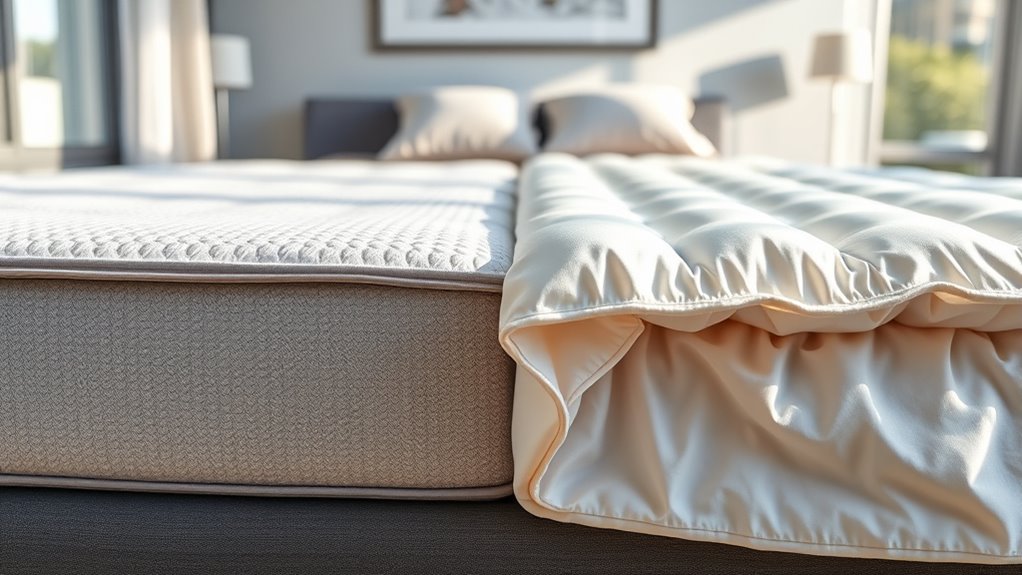
When choosing a mattress, the decision between a hard and soft surface can considerably impact your sleep quality. One of the first factors to weigh is mattress durability. Hard mattresses tend to last longer because they are often made from denser materials that resist sagging and wear over time. If you’re looking for a long-term investment, a firm mattress might be more cost-effective because you won’t need to replace it as frequently. Soft mattresses, meanwhile, usually contain more plush materials like memory foam or pillow tops, which can soften and develop indentations faster. This means you might need to replace a soft mattress sooner if it loses its supportive qualities. So, when weighing your options, think about how long you want your mattress to last and whether durability aligns with your budget.
Price comparison is another key consideration that can influence your choice. Generally, hard mattresses tend to be less expensive upfront because they often use simpler materials and fewer layers. If you’re working within a tight budget, a firm mattress might appeal because it offers good support at a lower cost. On the other hand, soft mattresses—especially those with high-quality memory foam or latex—can be pricier due to the materials used and the added comfort features. However, a soft mattress might justify the extra expense if it helps you sleep better and reduces discomfort. Keep in mind that while the initial price is important, factoring in the longevity of the mattress can give you a clearer picture of its overall value. Sometimes, paying a little more upfront for a durable, comfortable soft mattress can save you money in the long run by delaying the need for replacement.
Your personal sleep preferences and health needs also play a crucial role. A hard mattress offers firm support, which can be beneficial if you suffer from back pain or prefer sleeping on a firm surface. But if you tend to sleep on your side or require more cushioning, a soft mattress might be more suitable. It’s worth testing both options if possible—lying down on different mattresses helps you feel how they support your body, especially your spine and joints. Remember, the best choice balances durability, price, and comfort. The right mattress provides support where needed, lasts for years, and fits within your budget. Take your time to compare options, read reviews, and consider your sleep habits to make an informed decision that ultimately improves your sleep quality.
firm support memory foam mattress
As an affiliate, we earn on qualifying purchases.
As an affiliate, we earn on qualifying purchases.
Frequently Asked Questions
How Long Does It Take to Get Used to a New Mattress?
It usually takes about 1 to 4 weeks for you to get used to a new mattress. During this sleep adjustment period, your body undergoes a mattress break-in process, adapting to the support and comfort it provides. To speed up the adjustment, try sleeping on your new mattress consistently and use supportive pillows. Be patient; your body will gradually adjust, and you’ll start experiencing better sleep quality over time.
Can Mattress Type Affect Sleep Apnea or Breathing Issues?
Your mattress type can influence sleep apnea or breathing issues, especially depending on your sleep position and mattress materials. If you sleep on your back, a softer mattress might help keep your airways open, while a firmer one offers better support for side sleepers. Materials like memory foam can reduce pressure points, but if they retain heat, they might worsen breathing problems. Choose a mattress that promotes proper alignment and airflow for better breathing.
Are There Specific Age Groups That Benefit More From Soft or Hard Mattresses?
While you might think everyone prefers the same, age-specific preferences, lifespan considerations show otherwise. Younger people often benefit from softer mattresses that contour easily, while older adults may need firmer support to prevent aches. Ironically, what’s perfect in your 20s may turn into a nightmare in your 70s. So, consider your age and lifespan needs when choosing, because comfort isn’t one-size-fits-all—it’s age-specific.
How Does Mattress Firmness Influence Back Pain Over Time?
You might find that mattress firmness impacts your back pain over time by affecting pressure distribution and spinal alignment. A mattress that’s too soft may cause your spine to sag, leading to discomfort, while a too-hard mattress can create pressure points. Finding the right firmness helps maintain proper spinal alignment, reducing strain and preventing chronic pain. Investing in a medium-firm mattress often offers a good balance for long-term back health.
What Are the Environmental Impacts of Manufacturing Soft Versus Hard Mattresses?
You might wonder about the environmental impacts of manufacturing soft versus hard mattresses. Soft mattresses often use eco-friendly materials like organic foam or natural latex, reducing harmful chemicals. Hard mattresses, especially those with synthetic components, tend to generate higher manufacturing emissions and waste. Choosing mattresses with sustainable materials and eco-friendly certifications helps lessen environmental harm. By being mindful, you support a greener planet while enjoying better sleep comfort.
soft plush mattress for side sleepers
As an affiliate, we earn on qualifying purchases.
As an affiliate, we earn on qualifying purchases.
Conclusion
Choosing between a hard and soft mattress is like finding your perfect dance partner—one that moves with your every rhythm. A firm mattress offers a sturdy canvas for restful nights, while a soft one cradles you like a gentle breeze. Trust your body’s whispers and test each type to see which feels like slipping into a cozy, welcoming nest. Ultimately, your ideal mattress is the one that lets you drift into dreams effortlessly, like a leaf floating on still water.
orthopedic hard mattress for back pain
As an affiliate, we earn on qualifying purchases.
As an affiliate, we earn on qualifying purchases.
latex or memory foam soft mattress
As an affiliate, we earn on qualifying purchases.
As an affiliate, we earn on qualifying purchases.
Halloween Picks
halloween
As an affiliate, we earn on qualifying purchases.