
TL;DR

Get health and wellness essentials delivered free with Prime
- Fast, free delivery on millions of items
- Prime Video, Amazon Music and more included
- Member-only deals all year
A randomized 12-week study of 67 food-insecure older adults found that 89.2% of participants in either home-delivery program prepared and consumed the produce, compared with 28.3% in a voucher-based market arm. Adding meal kits did not increase produce use beyond delivery alone. The findings point to access and convenience as potential factors in whether food prescriptions are used.
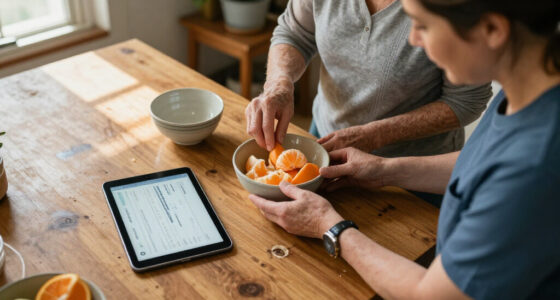
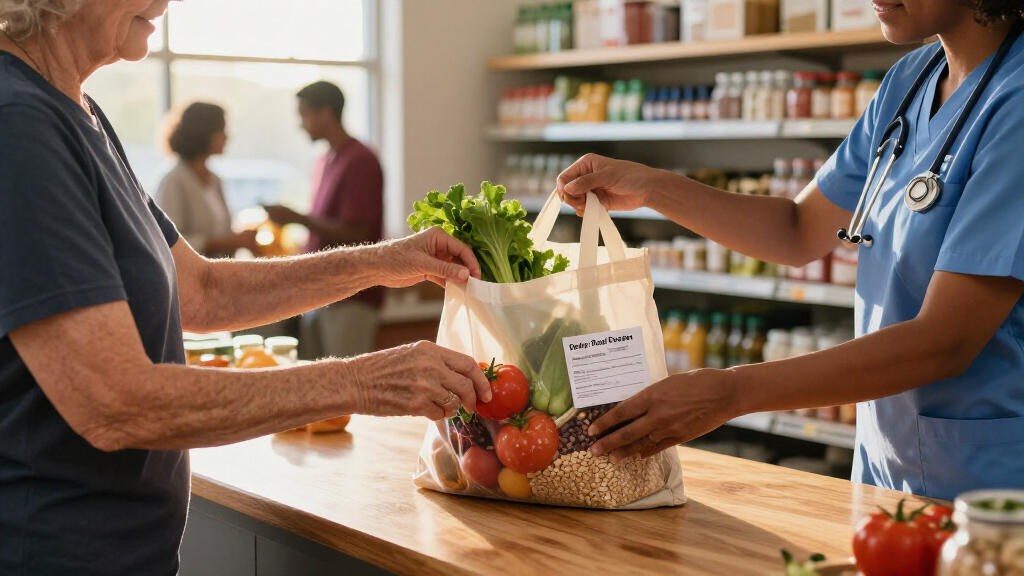
A 12-week randomized study by University at Buffalo researchers found that food-insecure older adults were much more likely to use produce from a food prescription when it was delivered to their homes than when they had to collect it at a market. Produce preparation and consumption reached 89.2% in both delivery groups, compared with 28.3% in the voucher-based market group, in a trial involving 67 adults recruited through Buffalo-area primary care clinics.
The study compared three approaches: weekly home delivery of customizable fresh-produce boxes; delivery of meal kits containing produce and ingredients for three meals; and vouchers redeemable at a hospital mobile market or local food markets. Each approach was tested over 12 weeks. Participants were mostly African American adults older than 65 who had reported experiencing food insecurity at times.
According to the study, redemption—defined as preparing and consuming the produce—was 89.2% in each of the two home-delivery arms and 28.3% in the voucher arm. The researchers said participants sometimes missed deliveries because they were away or already had enough food. The meal kits did not produce higher use than produce-box delivery alone, although the study lead said the greater quantity of food helped improve food security.
The delivery programs also received participant ratings above 9 out of 10, and participants said they would recommend them to others. The report describes delivery as the default, with the option to customize orders. That differs from a voucher system, which requires recipients to travel to a redemption site. The study was published in Frontiers in Public Health.
Delivery Removed a Redemption Barrier
The results suggest that how food assistance is provided can affect whether recipients use it. A voucher may offer access to fresh food on paper, but recipients still need to reach a market and collect it. The researchers said transportation difficulties and discomfort about being seen seeking help may deter some people, particularly when markets operate through food pantries.
Home delivery may reduce those barriers for older adults facing food insecurity. The findings do not establish that delivery will work equally well for every population or program, but they give service providers and health systems evidence to weigh convenience against the cost and logistics of delivering food. The study also found no added produce-use benefit from meal kits compared with produce boxes, so the extra preparation support may not be necessary for every older-adult program.
As an affiliate, we earn on qualifying purchases.
How the Three Programs Compared
Food prescription programs provide food-insecure people with vouchers or other support to obtain fruits, vegetables and other foods. The report says prior research found that only 9% to 18% of voucher recipients used their vouchers. That figure is cited as background; it is not the comparison group in this trial. Within the Buffalo study itself, 28.3% of participants in the market-based arm prepared and consumed the produce.
The study, led by University at Buffalo community health researcher Lucia A. Leone and colleagues, recruited participants from primary care clinics at Erie County Medical Center. One intervention provided weekly produce boxes through local delivery company FreshFix; another provided meal kits with ingredients for three meals and a choice of five to six options each week. The control group received vouchers for the ECMC mobile market or FeedMore Western New York markets. The research article is titled “A randomized controlled study comparing three food prescription programs for older adults: program design, implementation, and utilization.”
“The problem historically with food prescription programs is that people get the vouchers but don’t redeem them.”
— Lucia A. Leone, corresponding author and University at Buffalo associate professor
fresh fruit and vegetable meal kit
As an affiliate, we earn on qualifying purchases.
As an affiliate, we earn on qualifying purchases.
Limits of the Buffalo Trial
The trial included 67 participants from one health system and focused on older adults in Buffalo. The results do not show whether the same redemption rates would hold in larger programs, other locations, or groups with different needs. The report does not provide a cost comparison between delivery and market-based vouchers, so it is not clear which approach offers better value when program expenses are considered.
The study also does not establish which feature of delivery drove the higher use. Home delivery was the default, and participants could customize their orders; the researchers said both elements may have contributed. The report describes positive feedback about the delivery driver, but the trial does not isolate the effect of that relationship from convenience, food quantity or customization. The reported finding that food quantity helped improve food security is attributed to Leone; the supplied report does not give a numerical measure of that change.
As an affiliate, we earn on qualifying purchases.
Researchers Plan a Family Study
Leone and colleagues plan a similar study with families enrolled in Medicaid who experience food insecurity and have children ages 2 to 6. The researchers will work with local pediatric practices. The supplied report does not state when that study will begin or when results are expected.
That research will test whether a delivery-based approach can be adapted for a population with different household and caregiving needs. For now, the Buffalo findings support home delivery as a promising way to increase produce use among the older adults studied, while questions about costs, scale and effectiveness in other groups remain open.
As an affiliate, we earn on qualifying purchases.
Key Questions
What did the study find?
In a 12-week trial, 89.2% of participants in each home-delivery group prepared and consumed the produce, compared with 28.3% in the voucher group that collected food at a market.
Did meal kits lead to more produce use?
No. Produce use was the same in the meal-kit and produce-box delivery groups. The study lead said the meal kits did not appear to change use among these older participants.
Who took part in the trial?
The study included 67 adults, mostly African American and older than 65, recruited through primary care clinics at Erie County Medical Center in Buffalo. They had indicated that they had experienced food insecurity at times.
Can the results be applied to all food prescription programs?
That is not yet known. The study was small and focused on older adults in one area. The researchers plan a separate study with food-insecure Medicaid families who have children ages 2 to 6.
Source: rss
Halloween Picks
halloween
As an affiliate, we earn on qualifying purchases.