White noise creates a consistent sound environment that masks disruptive noises and promotes relaxation. It’s generated by combining multiple frequencies at equal intensity, helping your brain synchronize with calming waves and easing you into deep sleep. Sound machines optimize this process, supporting your sleep cycle and reducing disturbances. If you want to understand how this simple yet powerful tool enhances sleep quality, keep exploring the science behind white noise and sound therapy.
Key Takeaways
- White noise contains all sound frequencies at equal intensity, creating a steady background that masks disruptive sounds.
- Sound machines generate broad spectrum soundscapes that promote neural synchronization and stabilize brain activity.
- Consistent auditory stimuli from sound machines support sleep cycle regulation and deepen sleep stages.
- Masking external noises reduces disruptions, fostering a calm, predictable sleep environment.
- Enhanced sound technology allows customization, optimizing relaxation and reducing sleep disturbances.
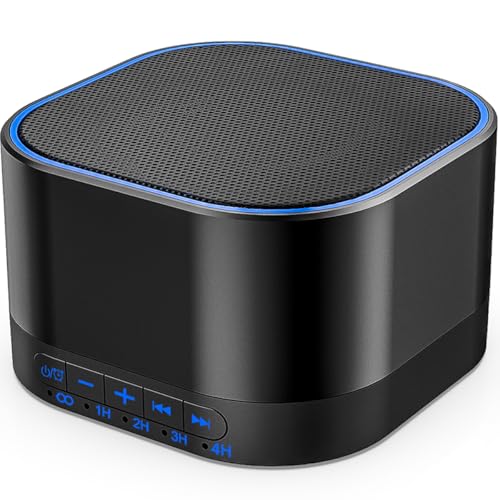
Magicteam Sound White Noise Machine with 20 Non Looping Natural Soothing Sounds and Memory Function 32 Levels of Volume Powered by AC or USB and Sleep Sound Timer Therapy for Baby Kids Adults
❤20 Non-Looping Sleep Sounds: White noise ,Brown noise, pink noise, blue noise, fan,brook, rain, ocean,bird and Bonfire,suitable for…
As an affiliate, we earn on qualifying purchases.
As an affiliate, we earn on qualifying purchases.
What Is White Noise and How Is It Created?
Have you ever wondered what white noise really is and how it’s produced? White noise is a type of sound that contains all sound frequencies at equal intensity, creating a uniform noise spectrum. It’s generated by combining multiple sound frequencies so that each one contributes equally to the overall sound. This balanced sound spectrum results in a consistent, soothing hum that masks other noises. When you hear white noise, your ears perceive a broad range of sound frequencies, all playing simultaneously. This equal distribution of frequencies makes white noise particularly effective at covering up interruptions, which is why it’s often used to help with sleep. In essence, white noise is a carefully crafted blend of sound frequencies designed to produce a steady, calming background sound. Additionally, many modern sound machines incorporate sound spectrum technology to optimize the white noise for relaxation and sleep. This technology allows for precise control over the frequency distribution, ensuring the sound remains soothing and effective. Understanding how sound frequencies are combined can help you choose the most effective noise machine for your needs. Moreover, research indicates that leveraging acoustic properties can further enhance sleep quality by reducing environmental disturbances.
Magicteam Sound White Noise Machine with 20 Non Looping Natural Soothing Sounds and Memory Function 32 Levels of Volume Powered by AC or USB and Sleep Sound Timer Therapy for Baby Kids Adults
❤20 Non-Looping Sleep Sounds: White noise ,Brown noise, pink noise, blue noise, fan,brook, rain, ocean,bird and Bonfire,suitable for…
As an affiliate, we earn on qualifying purchases.
As an affiliate, we earn on qualifying purchases.
The Brain’s Response to White Noise
When you listen to white noise, your brain responds by registering a broad spectrum of sound frequencies all at once. This stimulates auditory processing, engaging multiple neural pathways simultaneously. Your brain’s neurons tend to synchronize, creating a more stable neural environment that reduces distractions. This neural synchronization enhances your ability to block out unpredictable sounds, promoting better sleep quality. Additionally, power backup solutions like generators can ensure your sleep environment remains uninterrupted during outages. Understanding the neural mechanisms behind sound processing can help optimize sleep interventions using white noise. Recognizing the importance of energy-efficient technology in modern appliances can further support sustainable sleep environments, aligning with innovative architectural solutions that promote well-being. Moreover, advancements in sound technology can tailor white noise to individual preferences, maximizing its calming effects.
Magicteam Sound White Noise Machine with 20 Non Looping Natural Soothing Sounds and Memory Function 32 Levels of Volume Powered by AC or USB and Sleep Sound Timer Therapy for Baby Kids Adults
❤20 Non-Looping Sleep Sounds: White noise ,Brown noise, pink noise, blue noise, fan,brook, rain, ocean,bird and Bonfire,suitable for…
As an affiliate, we earn on qualifying purchases.
As an affiliate, we earn on qualifying purchases.
Masking Disruptive Sounds for Better Sleep
By using white noise or other masking sounds, you can effectively hide disruptive noises that might wake you up. These sounds help reduce sleep interruptions and create a more consistent sleep environment. Understanding how sound masking works can improve your overall sleep quality. Incorporating air purification devices that produce calming sounds can further enhance your sleep environment by reducing airborne pollutants and allergens. Additionally, choosing the right sound machine settings can optimize its effectiveness for your specific sleep needs. Selecting devices with adjustable sound frequency options can help tailor the masking effect to better suit your environment and comfort, leveraging modern kitchen technology principles to integrate smart features for personalized sleep enhancement. Recognizing how sound masking interacts with your natural sleep cycle can also help you fine-tune your approach for optimal rest.
Sound Masking Effectiveness
Sound masking works by overlaying disruptive noises with more consistent, soothing sounds, making interruptions less noticeable and helping you stay asleep. The effectiveness of this technique depends heavily on sound quality; clear, smooth audio ensures that the masking sound blends seamlessly into your environment without causing additional disturbance. Proper volume control is also vital—you want the sound to be loud enough to mask disruptive noises but not so loud that it becomes a distraction itself. Many sound machines offer adjustable volume settings, allowing you to customize the experience to your preferences and sleeping environment. When both sound quality and volume control are optimized, your sleep becomes more resilient to interruptions, creating a more restful and undisturbed night’s sleep. Additionally, understanding the importance of toilet maintenance can help prevent unexpected disruptions that might disturb your sleep environment. Maintaining your sleep environment, including proper sound machine placement, can further enhance the masking effect and contribute to better sleep quality. Regularly updating your equipment and ensuring all components are functioning properly can also improve overall sound masking effectiveness.
Reducing Sleep Interruptions
Disruptive sounds like traffic, barking dogs, or loud neighbors can easily wake you up or disturb your sleep cycle. Using sound therapy, such as white noise or calming nature sounds, helps mask these interruptions. By creating a consistent auditory environment, sound machines block out noise pollution that might otherwise wake you or cause fragmented sleep. This form of noise masking reduces the brain’s response to sudden sounds, making your sleep more continuous and restorative. This technique is especially effective in environments with ambient noise that can be difficult to control. When you minimize sleep disruptions, you wake feeling more refreshed and alert. Incorporating sound masking techniques can further enhance sleep stability by reducing the brain’s sensitivity to external stimuli. Additionally, understanding how somatic therapy integrates mind and body for emotional healing highlights the importance of a holistic approach to health and well-being. Regularly updating your sound environment and understanding credit card insights can help you choose the most effective sound machine options for your needs. Implementing these strategies with a sound machine can provide consistent auditory masking and improve overall sleep quality. In this way, sound therapy becomes a powerful tool for reducing sleep interruptions.
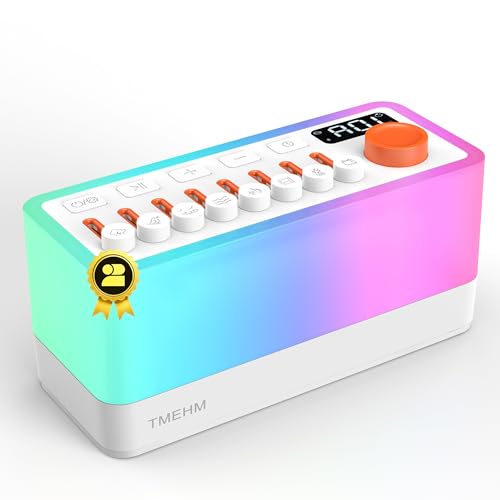
TMEHM 3-in-1 Sleep Sound Machine with 8 Mixable Nature Sounds, Portable Bluetooth Speaker & 12-Color Night Light, White Noise, Sleep Timer & Breathing Exercises for Babies, Kids, and Adults
🌟【All-New 2nd Gen】: Removed distracting prompts for a quieter experience. Added TV static white noise and upgraded speaker…
As an affiliate, we earn on qualifying purchases.
As an affiliate, we earn on qualifying purchases.
The Role of Sound Machines in Sleep Environments
Sound machines help you mask external noises, making your sleep environment calmer. They create consistent soundscapes that can drown out disruptions and promote relaxation. By enhancing your sleep setting, these devices support a more restful and uninterrupted night. Additionally, sound masking technology can help create an optimal sleep environment by reducing sudden noise disturbances. Staying informed about free crypto opportunities can also help you fund your sleep-related investments or gadgets.
Masking External Noises
External noises can easily interrupt your sleep, but sound machines offer an effective way to mask these disturbances. This process, known as sound masking, creates a consistent auditory environment that diminishes the impact of sudden noises. By producing white noise or other calming sounds, your sound machine enhances noise suppression, making external sounds less noticeable. This helps prevent abrupt disturbances from waking you up or disrupting your sleep cycle. The steady background sound effectively blends environmental noises, reducing their prominence and creating a more stable sleep environment. With sound masking, you regain control over your sleep quality, especially in noisy settings. You’ll find it easier to fall asleep and stay asleep through the night, waking up refreshed and less affected by outside noise.
Creating Consistent Soundscapes
Creating a consistent soundscape is essential for establishing a stable sleep environment, and sound machines make this achievable with ease. When you use a sound machine, you create a steady acoustic environment that supports sound therapy principles. This consistency helps your brain associate the calming sounds with sleep, reducing fluctuations that may disrupt rest. By maintaining a uniform background noise, you prevent sudden changes in your acoustic environment that could wake you or cause restlessness. The ability to generate continuous, soothing sounds fosters a sense of familiarity and stability, making it easier to fall asleep and stay asleep throughout the night. With regular use, sound machines help reinforce a reliable sleep routine rooted in a predictable auditory environment.
Enhancing Sleep Environment
A consistent soundscape not only helps you fall asleep but also substantially improves the overall quality of your sleep environment. Sound machines enhance your space by providing effective sound therapy, masking disruptive noises, and promoting relaxation. Noise cancellation features can further block out external sounds, creating a peaceful setting. This environment supports deeper, uninterrupted sleep. Consider the impact of different sounds—white noise, nature sounds, or calming melodies—on your sleep quality. Using sound machines strategically can turn your bedroom into a sanctuary. Here’s a quick comparison:
| Feature | Benefit |
|---|---|
| Sound therapy | Promotes relaxation and reduces stress |
| Noise cancellation | Blocks external disturbances |
| Consistent sound | Establishes a stable sleep cue |
| Adjustable volume | Customizes comfort for ideal sleep |
This combination optimizes your sleep environment for better rest.
How White Noise Promotes Relaxation and Calmness
White noise promotes relaxation and calmness by masking disruptive sounds and providing a consistent auditory environment. This steady background helps reduce your awareness of sudden noises, lowering stress levels and easing your mind. Sound therapy and music therapy often use similar principles, creating a calming atmosphere that encourages your body to unwind. White noise’s uniform sound pattern can trigger your parasympathetic nervous system, which promotes relaxation. By filtering out distractions, it allows your thoughts to settle, making it easier to relax or meditate. This calming effect is especially helpful when trying to unwind after a busy day or prepare for sleep. Ultimately, white noise creates an environment that fosters tranquility, helping you feel more at ease and ready for restful sleep.
The Impact of Sound on Brain Waves and Sleep Cycles
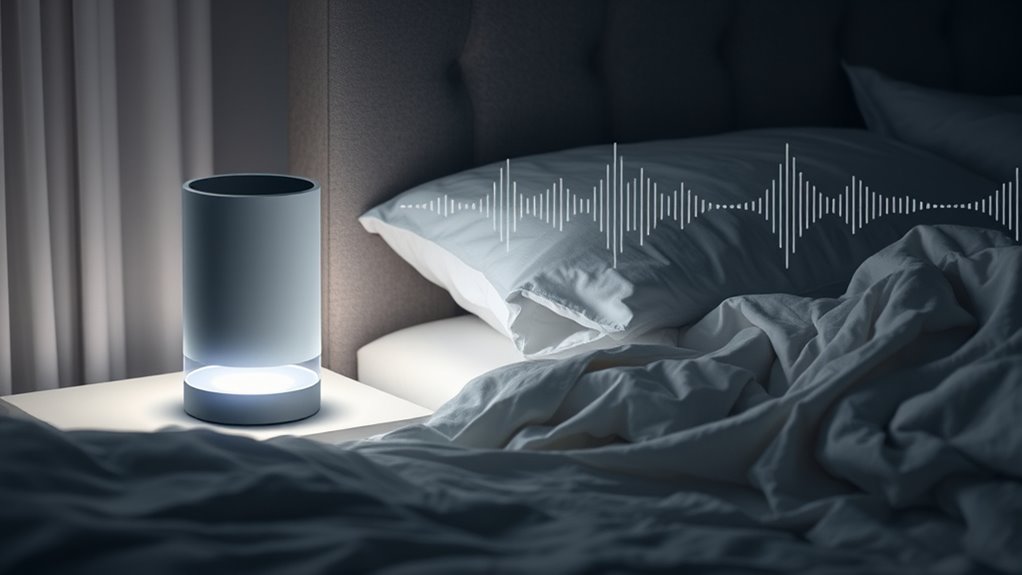
Sound plays a significant role in shaping your brain waves and influencing your sleep cycles. When you listen to steady white noise, it promotes brainwave synchronization, helping your brain produce more alpha and theta waves associated with relaxation and light sleep. This synchronization supports sleep cycle regulation, making it easier to shift into deeper sleep stages. By smoothing out sudden sounds, white noise minimizes disruptions, allowing your brain to maintain a consistent rhythm. As your brainwaves align more closely with calming frequencies, your sleep becomes more stable and restorative. This process encourages smoother transitions between sleep stages, enhancing overall sleep quality. Essentially, sound helps your brain lock into a healthy sleep pattern, making it easier to fall asleep and stay asleep throughout the night.
Scientific Studies Supporting White Noise Benefits

Numerous scientific studies provide strong evidence that white noise can improve sleep quality. Research shows that white noise influences auditory perception, helping to mask disruptive sounds caused by noise pollution, which often fragments sleep. One study found that participants exposed to white noise experienced fewer awakenings and deeper sleep cycles compared to those in quiet environments. By reducing the impact of sudden or persistent noises, white noise creates a more consistent auditory environment that promotes relaxation and helps you fall asleep faster. These findings highlight white noise’s ability to mitigate environmental noise pollution, which can otherwise interfere with sleep. Overall, the evidence supports white noise as an effective tool for enhancing sleep quality through its influence on auditory perception and noise masking.
Choosing the Right Sound Machine for Sleep Enhancement
Choosing the right sound machine is essential for optimizing your sleep environment, as it directly impacts how effectively you can mask disruptive noises and promote relaxation. Select a device that offers various sound therapy options, like white noise, nature sounds, or gentle hums, to find what best suits your sleep hygiene. Consider features such as volume control, timer settings, and sound quality to _guarantee_ consistent use. A good sound machine should blend seamlessly into your sleep routine without becoming a distraction. To help guide your choice, here’s a quick comparison:
| Feature | Benefits |
|---|---|
| Multiple Sounds | Customizable for personal preference |
| Adjustable Volume | Tailors noise level for comfort |
| Timer Function | Prevents disturbance during sleep |
Choosing wisely fosters better sleep and supports healthy habits.
Potential Limitations and Considerations When Using White Noise
While white noise can be a helpful tool for improving sleep, it’s important to recognize its potential limitations. Excessive use may contribute to noise pollution, which can disturb others nearby or even yourself if the volume is too high. Some people might find white noise irritating or disruptive rather than calming. Additionally, if you have tinnitus, relying on white noise for tinnitus management isn’t a one-size-fits-all solution; it may help some but worsen symptoms for others. Overuse can lead to dependence, making it difficult to sleep without it. Be mindful of the sound’s volume and duration. If you notice discomfort or no improvement, consider exploring alternative sleep strategies or consulting a healthcare professional.
Frequently Asked Questions
Can White Noise Help With Insomnia Unrelated to Environmental Noise?
White noise can help with insomnia unrelated to environmental noise by offering psychological benefits like reducing anxiety and creating a consistent sound environment. It promotes sensory adaptation, helping your brain ignore internal distractions such as racing thoughts. Using a sound machine regularly can condition your mind to associate the noise with sleep, making it easier to fall asleep and stay asleep, even when external noise isn’t a factor.
Are There Risks of Dependency on Sound Machines for Sleep?
Yes, there are dependency concerns with using sound machines regularly. You might develop habituation risks, where your brain relies on the noise to fall asleep and struggles without it. To minimize this, try gradually reducing usage over time and incorporating other sleep strategies. While sound machines can be a helpful tool, it’s important to use them mindfully to avoid creating a dependency that could affect your natural sleep cues.
How Does White Noise Affect Individuals With Hearing Impairments?
White noise can be a game-changer for those with hearing impairments, enveloping you like a protective shield. It’s often hearing aid compatible, making it easier to hear and process sounds. For individuals with auditory processing challenges, white noise can mask disruptive background sounds, helping you focus better. Just guarantee your device’s settings are optimized, so the noise supports your hearing needs without overwhelming your senses.
Is White Noise Effective for Children or Infants?
White noise can be effective for infants and children by promoting infant soothing and providing child comfort. It creates a consistent sound environment that masks sudden noises, helping your little one fall asleep faster and stay asleep longer. Many parents find that incorporating white noise into bedtime routines calms their children, making it a useful tool for supporting healthy sleep patterns and easing shifts to sleep.
Can Personalized Sound Profiles Enhance Sleep Quality Further?
You might think personalization isn’t necessary, but customization options can considerably enhance sleep quality. By tailoring sound profiles to match individual preferences and environmental factors, you achieve better sound profile accuracy. This ensures a more calming and consistent auditory environment, helping you fall asleep faster and stay asleep longer. Personalized sound profiles adapt to your unique needs, making sleep more restful and reducing disruptions caused by generic white noise.
Conclusion
Research shows that using white noise can improve sleep quality by up to 80%. It masks disruptive sounds and calms your brain, making it easier to fall asleep and stay asleep. With over 60% of people reporting better rest with sound machines, you could experience similar benefits. Just choose the right device and set your environment for success. Embrace white noise as a simple, science-backed way to enhance your sleep and wake up refreshed.