
TL;DR
Germany has announced plans to implement a sugar tax on sugary beverages and snacks as part of its public health strategy. The proposal aims to reduce sugar consumption and address rising health concerns. Details are still being finalized, and the policy faces ongoing debate.
Germany has officially announced plans to introduce a sugar tax on sugary beverages and snacks, targeting a reduction in sugar consumption and related health issues. The proposal, announced by the Federal Ministry of Health on April 15, 2024, is part of the country’s broader public health strategy. While details are still being finalized, the move signals a significant policy shift aimed at addressing rising rates of obesity, diabetes, and other sugar-related health problems among Germans.
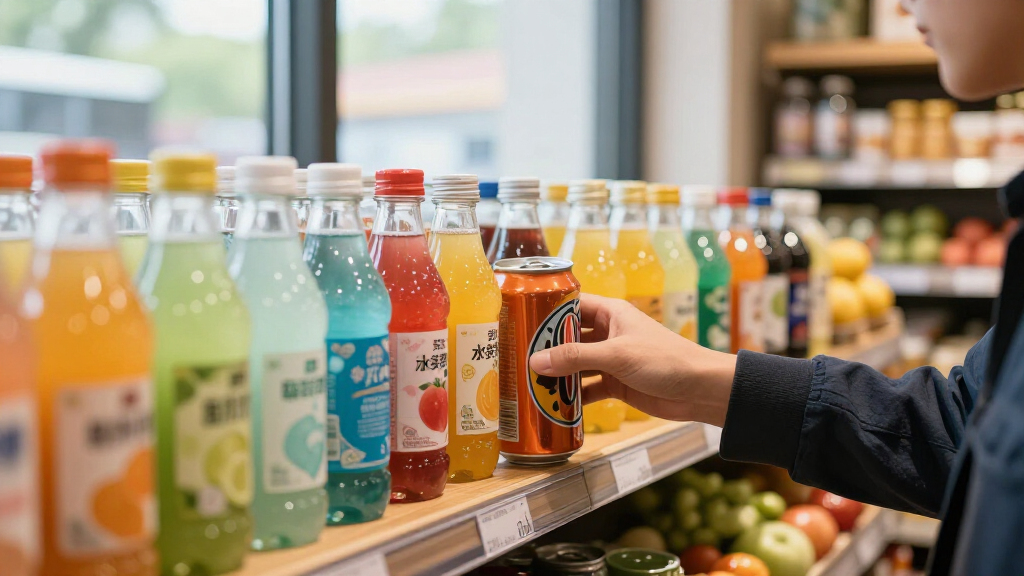
The proposed sugar tax will target beverages containing more than 5 grams of sugar per 100 milliliters, including sodas, fruit drinks, and energy drinks. In addition, certain high-sugar snacks such as candy and sweetened baked goods are under consideration for inclusion. The government has indicated that the tax will be structured as a per-liter levy on sugary drinks, with the goal of incentivizing manufacturers to reformulate products with lower sugar content. The revenue generated from the tax is expected to fund public health campaigns and subsidize healthier food options.
According to the Ministry of Health, the initiative aligns with similar measures implemented in countries like France and the UK, where sugar taxes have been associated with decreased consumption of sugary products. The proposal has received mixed reactions from industry stakeholders, with some manufacturers expressing concern over potential economic impacts, while health advocates support the measure as a necessary step to curb the country’s obesity epidemic.
Potential Impact on Public Health and Industry
The introduction of a sugar tax in Germany could have substantial implications for public health, potentially leading to decreased consumption of high-sugar products and a reduction in related health conditions such as obesity and type 2 diabetes. Experts suggest that such measures have historically been effective in changing consumer behavior, especially among younger populations. However, the policy also raises questions about economic impacts on food and beverage companies, as well as potential legal challenges from industry groups. Overall, this move marks a significant step in Germany’s efforts to address preventable health issues linked to diet.
As an affiliate, we earn on qualifying purchases.
Germany’s Growing Health Concerns and Policy Responses
Germany has seen a steady rise in obesity rates and related health issues over the past decade, prompting policymakers to seek new strategies to promote healthier lifestyles. Previous measures included public awareness campaigns and nutritional labeling, but these have had limited success in curbing sugar intake. The recent proposal for a sugar tax reflects a shift toward fiscal policies aimed at directly influencing consumer choices. Similar initiatives in neighboring countries, such as France’s levy on sugary drinks introduced in 2012, have demonstrated some effectiveness, encouraging Germany to consider adopting comparable measures.
Discussions about a sugar tax have been ongoing for several years, with initial proposals facing resistance from industry groups and some political factions. The current government’s announcement indicates a renewed commitment to tackling the health crisis through targeted fiscal policies, with implementation expected in 2025 after legislative approval and stakeholder consultations.
“This sugar tax is a necessary step to protect our citizens from preventable health conditions and promote healthier eating habits.”
— Health Minister Karl Lauterbach
As an affiliate, we earn on qualifying purchases.
Details Still Under Development and Potential Challenges
While the government has outlined the broad framework of the sugar tax, many specifics remain unclear. These include the exact tax rates, the scope of products covered, and how the policy will be enforced. Additionally, it is uncertain whether the industry will reformulate products to avoid the tax or whether legal challenges could delay implementation. The effectiveness of the tax in achieving its health goals will also depend on consumer response and industry adaptation, which are still to be observed.
As an affiliate, we earn on qualifying purchases.
Legislative Process and Public Consultation in 2024
The next steps involve detailed legislative drafting and stakeholder consultations scheduled throughout 2024. The government aims to pass the final legislation by late 2024, with the sugar tax set to take effect in 2025. Public health campaigns will accompany the implementation to maximize awareness and impact. Monitoring and evaluation plans are expected to be established to assess the policy’s effectiveness over time.
As an affiliate, we earn on qualifying purchases.
Key Questions
When will the sugar tax be implemented in Germany?
The government plans to implement the sugar tax in 2025 after completing legislative procedures and stakeholder consultations in 2024.
Which products will be affected by the sugar tax?
Primarily sugary drinks containing more than 5 grams of sugar per 100 milliliters, as well as certain high-sugar snacks like candies and sweet baked goods, are expected to be targeted.
How much revenue is the tax expected to generate?
The government has indicated that revenue from the sugar tax will be used to fund public health initiatives and subsidies for healthier foods, but exact figures are not yet available.
Will the sugar tax face legal challenges?
Potential legal challenges from industry groups are possible, given concerns about economic impacts and product reformulation, but no formal lawsuits have been announced yet.
Has similar policy been successful elsewhere?
Yes, countries like France and the UK have implemented sugar taxes with some success in reducing consumption of sugary products and improving public health outcomes.
Source: google-trends