
TL;DR

Get health and wellness essentials delivered free with Prime
- Fast, free delivery on millions of items
- Prime Video, Amazon Music and more included
- Member-only deals all year
Noom has launched the GLP-1Rx program, offering prescription GLP-1 medications alongside its behavioral health approach. The program aims to support sustainable weight loss with personalized care and community support. It is available starting at $99 for eligible users.
Noom has launched its GLP-1Rx program, providing access to prescription GLP-1 medications combined with its established psychological support framework. This development marks a significant expansion of Noom’s weight loss offerings, aiming to help users achieve sustainable results through personalized medication and behavioral change strategies.
The program, developed by medical professionals and backed by Noom’s behavioral health platform, offers prescription medications such as Ozempic® and Zepbound® starting at $69 plus out-of-pocket costs, with prices as low as $99 for qualifying users. Participants undergo a quiz, consult with licensed clinicians, and, if appropriate, receive a customized treatment plan that includes ongoing medication management and support.
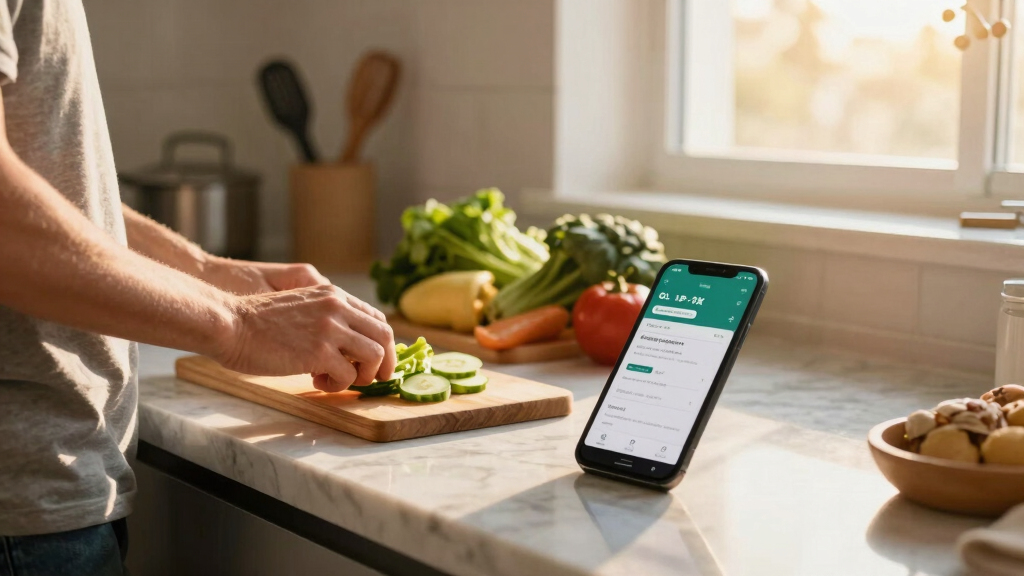
In addition, Noom’s GLP-1 Companion, a digital support tool, is provided at no extra charge for those on GLP-1 therapy. This tool offers resources on medication use, side effects, nutrition, and movement, and aims to improve adherence and outcomes. The program emphasizes a holistic approach, integrating medication with psychological support, community engagement, and personalized coaching, to promote lasting healthy habits.
Potential Impact on Weight Loss Accessibility
This initiative could significantly broaden access to effective weight-loss medications, which have shown promising results in clinical trials but are often limited by cost and healthcare barriers. By integrating prescription drugs with behavioral support, Noom aims to improve adherence and long-term success, potentially transforming how weight management is approached in digital health settings.
Products Worth Considering

Fitbit Sense 2 Health and Fitness Smartwatch, Shadow Grey/Graphite

Therabody Theragun Relief Massage Gun, 3-Speed, Black

Bowflex SelectTech 840 Adjustable Kettlebell
As an affiliate, we earn on qualifying purchases.
Expansion of Digital Health and Weight Management Tools
Recent years have seen a surge in the use of GLP-1 receptor agonists like Ozempic® for weight loss, driven by their proven efficacy in clinical studies. However, access remains limited by high costs and insurance hurdles. Noom’s move to include these medications within its digital platform reflects a broader trend of tech companies integrating pharmacological options into behavioral health programs, seeking to make weight management more accessible and personalized.
This development follows other industry efforts to combine medication with digital coaching, aiming to address the complex factors of obesity and weight-related health issues more comprehensively.
“Noom’s integration of GLP-1 medications with behavioral support offers a promising approach to sustainable weight loss.”
— an anonymous researcher
Uncertainties About Program Adoption and Outcomes
It is not yet clear how widely the program will be adopted or how effective it will be in the long term. Details about clinical oversight, insurance coverage, and user outcomes remain to be seen, and further data is needed to evaluate the program’s success across diverse populations.
Next Steps for Noom’s GLP-1Rx Program Rollout
Noom plans to monitor user engagement and health outcomes closely, with ongoing updates on program efficacy. The company may expand access based on initial results and feedback, while regulatory and clinical oversight will continue to shape the program’s development. Further research and user data will clarify its role in mainstream weight management.
Key Questions
Who is eligible for Noom’s GLP-1Rx program?
Eligibility depends on a medical assessment, including a quiz and consultation with a licensed clinician. Qualified individuals can access medications starting at $99.
What medications are included in the program?
The program offers brand-name GLP-1 medications such as Ozempic® and Zepbound®, with costs depending on insurance coverage and out-of-pocket expenses.
How does Noom support medication adherence?
The GLP-1 Companion app provides resources on medication use, side effects, nutrition, and movement, along with personalized coaching and community support.
Can anyone access the program regardless of insurance?
Yes, the program offers medications starting at $99 regardless of insurance, provided the user qualifies through clinical assessment.
What are the potential risks or side effects?
Users should consult with their healthcare provider about possible side effects, which can include gastrointestinal symptoms and other issues typical of GLP-1 medications. Noom emphasizes ongoing medical oversight.
Source: Greatist