

To adjust quickly to new time zones, manage your light exposure by seeking daylight during mornings and avoiding bright evening lights. Gradually shift your sleep schedule before travel, stay well-hydrated, and eat nourishing snacks to boost energy. Incorporate light exercise and consider supplements like melatonin to aid sleep. Once you arrive, stick to local routines, get plenty of sunlight, and avoid long naps. Continuing to explore these strategies can help you conquer jet lag faster.
Key Takeaways
- Adjust your sleep schedule gradually before departure to align with the destination’s time zone.
- Maximize natural light exposure during the day and limit evening light to reset your internal clock.
- Stay hydrated and eat nutritious, easily digestible foods to boost energy and support adaptation.
- Use light therapy lamps and seek sunlight to help regulate your circadian rhythm.
- Maintain consistent routines and avoid excessive naps upon arrival to reinforce your new sleep-wake cycle.
Understanding Jet Lag and Its Effects

Jet lag occurs when your internal body clock is out of sync with the time zone you’ve traveled to, disrupting your sleep-wake cycle. This mismatch affects your circadian rhythm, which governs your natural sleep patterns and alertness levels. When your circadian rhythm is disrupted, your body struggles to adjust, leading to fatigue, irritability, and difficulty concentrating. Traveling across multiple time zones can also cause hormonal imbalances, especially in melatonin and cortisol levels, which regulate sleep and stress responses. These hormonal shifts exacerbate feelings of exhaustion and jet lag symptoms. Understanding these biological processes helps you realize why your body needs time to adapt. Recognizing the impact on your circadian rhythm and hormones is the first step toward managing jet lag effectively. Additionally, decoding slang and understanding informal language can help travelers communicate better and reduce confusion in foreign environments. Being aware of biological clock adjustments can further assist in developing effective strategies to reset your internal clock more rapidly. Moreover, understanding how light exposure influences your circadian rhythm can be crucial for faster adjustment. Incorporating supportive sleep environments can also facilitate quicker adaptation to new time zones and improve overall rest.
Preparing for Your Trip to Minimize Impact
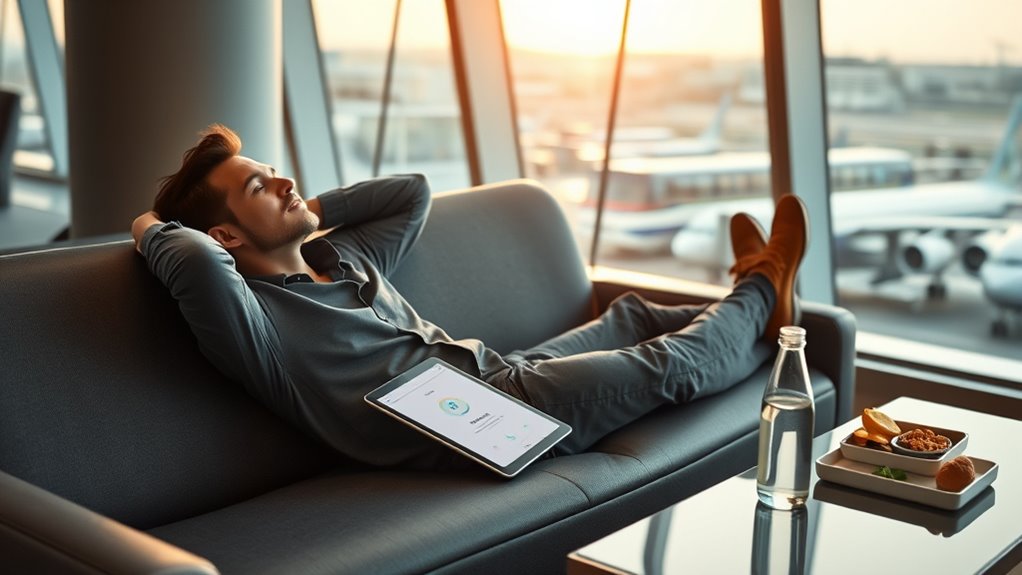
Preparing for your trip ahead of time can considerably reduce jet lag symptoms. Start by packing essentials like comfortable clothing, sleep aids, and any medications you might need. Ensuring you have your travel documentation, such as passports, visas, and boarding passes, organized and readily accessible minimizes last-minute stress. Double-check your luggage to avoid forgetting critical items that could disrupt your routine or cause delays. Planning your travel documents and packing essentials in advance helps you stay calm and focused, allowing you to begin adjusting to the new time zone smoothly. Being well-prepared means you can focus on your journey rather than scrambling at the last minute, setting a positive tone for minimizing jet lag’s impact upon arrival. Additionally, reviewing your travel itinerary beforehand can help you stay organized and reduce anxiety during your trip. Considering travel checklists can further ensure that no important items are overlooked. Incorporating comfortable clothing options, such as Suprem fabric garments, can also enhance your comfort during long flights and layovers. To further enhance your readiness, staying informed about your flight schedule and potential delays can help you adapt more quickly to changes and reduce stress. Moreover, understanding your destination’s time zone differences can help you plan your sleep and activity schedule more effectively.
Adjusting Your Sleep Schedule Before Departure
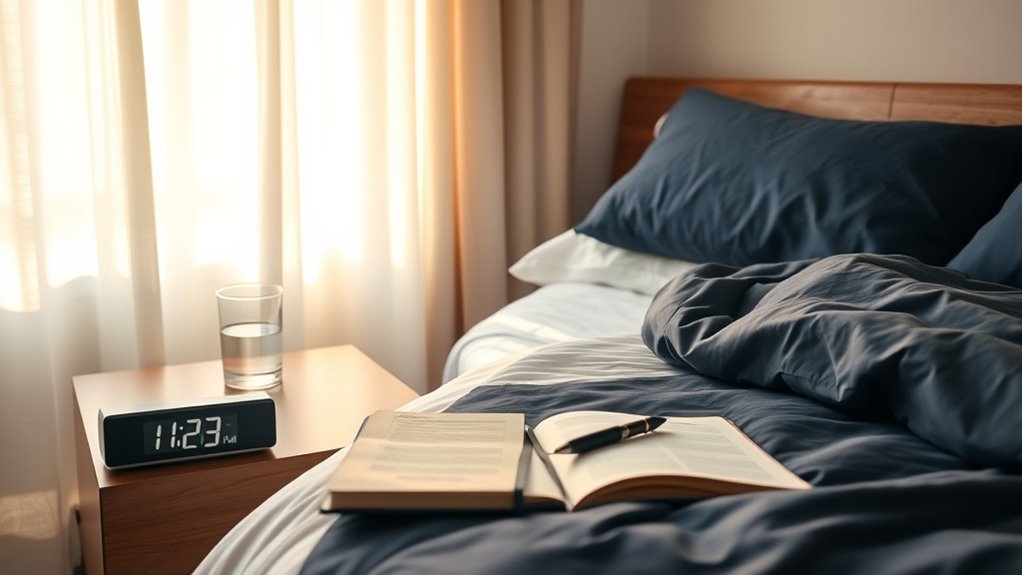
To minimize jet lag, start adjusting your sleep schedule several days before your departure. Focus on improving your sleep hygiene and aligning your circadian rhythm with your destination’s time zone. This can involve gradually shifting your bedtime and wake time by an hour or two each day. Incorporate home décor inspiration into your sleeping environment by optimizing lighting and comfort to support better rest. Consider:
- Going to bed and waking up earlier or later, depending on the direction of travel
- Avoiding screens and caffeine before sleep to promote quality rest
- Creating a relaxing pre-sleep routine to support circadian alignment
Additionally, paying attention to light exposure can significantly help your circadian adjustment process. Being mindful of sleep environment factors, such as temperature and noise, can further enhance your ability to adapt quickly.
Managing Light Exposure During Your Journey
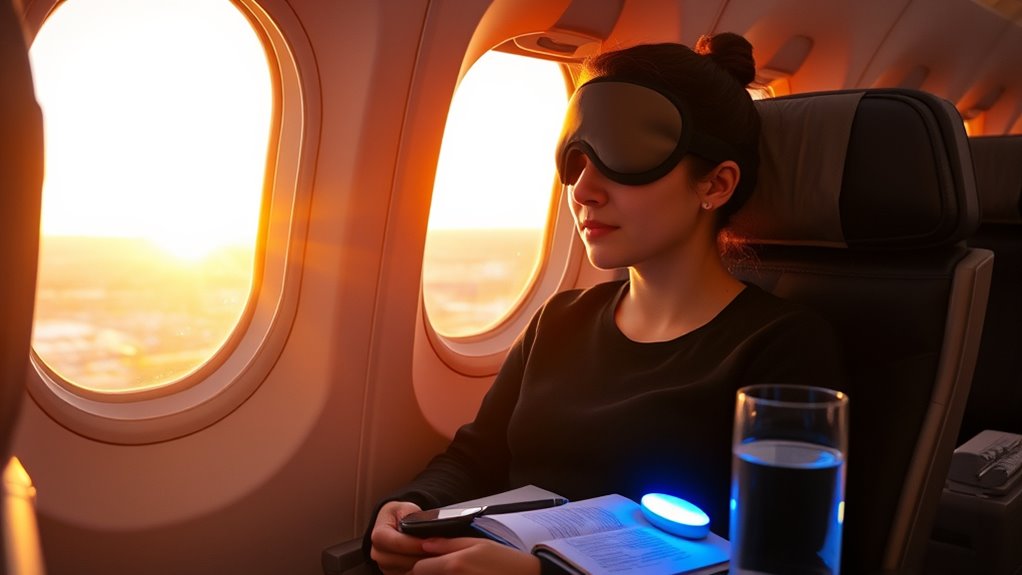
During your journey, try to get plenty of natural light to help reset your internal clock. Avoid bright lights in the evening to prevent disrupting your sleep schedule. Managing your light exposure strategically can make adjusting to a new time zone much easier. Incorporating smart lighting into your travel routine can optimize your light exposure and support better adaptation. Additionally, understanding the Gold IRA markets can be beneficial if you’re considering diversifying your investments during your travels. Being aware of light exposure management techniques can further enhance your ability to adapt quickly and minimize jet lag. For example, using light exposure planning tools can help you synchronize your circadian rhythm more effectively. Remember, proper air purifier maintenance can also help improve indoor air quality during your trip, making your environment more comfortable and healthier.
Maximize Daylight Exposure
Have you ever wondered how exposure to natural light can help reset your internal clock? Maximizing daylight exposure is key to adjusting quickly. Seek out direct sunlight during the day, especially in the morning, to help your body sync with the new time zone. Use light therapy lamps if natural light isn’t available, positioning them near your window for ideal exposure. Pay attention to window positioning: sit close to windows that face the sun to soak up more light. This boosts your alertness and helps shift your internal clock faster. Additionally, light exposure strategies can further enhance your adjustment process and reduce jet lag symptoms. Remember, regular daylight exposure signals your body to wake up and stay alert, easing the transition across time zones. To optimize your routine, consider natural light as a vital component in combating jet lag and aligning your circadian rhythm. Furthermore, consult reliable power guides to ensure your travel devices stay powered, so you can maintain your routines without interruption. Incorporating consistent light management techniques can also improve your overall adjustment experience.
Minimize Evening Light
Managing light exposure during your journey is essential, especially in the evening when bright screens and artificial lighting can disrupt your internal clock. To support your adjustment, incorporate light blocking strategies into your evening routines. Use blackout curtains or wear a sleep mask to reduce exposure to artificial light before bedtime. Dim your device screens or enable blue light filters to minimize blue light emissions, which can interfere with melatonin production. Avoid bright lighting at least an hour before sleep, creating a darker environment that signals your body it’s time to rest. Incorporating light management techniques like controlling light exposure can further enhance your ability to adapt quickly. These small adjustments help reset your internal clock more quickly, making it easier to adapt to the new time zone and minimizing jet lag symptoms. Additionally, maintaining a consistent sleep schedule during your travels supports your body’s natural rhythms for quicker adjustment. Being mindful of your light exposure patterns can significantly influence how smoothly you transition across time zones.
Staying Hydrated and Nourished Throughout the Trip

Staying hydrated and well-nourished keeps your energy up and helps combat jet lag. You should drink plenty of water and choose nutritious snacks like nuts or fruit to stay alert. Proper hydration and good food choices make your trip more comfortable and help you adjust faster.
Hydration Strategies for Travel
Travel can quickly dehydrate you, especially when crossing time zones and spending hours on planes or in unfamiliar environments. To stay properly hydrated, focus on your water intake and maintaining electrolyte balance. Dehydration can lead to fatigue and worsen jet lag, so proactive hydration is key.
Consider these strategies:
- Drink water regularly, even if you don’t feel thirsty
- Consume electrolyte-rich drinks to replenish salts lost during travel
- Avoid excessive caffeine or alcohol, which can dehydrate you further
Keeping hydration levels stable helps your body adjust faster to new time zones and keeps you alert. Proper hydration isn’t just about quenching thirst—it’s essential for maintaining energy, cognitive function, and overall well-being during your trip.
Nutritious Snacks for Energy
Choosing the right nutritious snacks can keep your energy levels steady and prevent dehydration during your trip. Opt for snacks rich in healthy fats, such as nuts, seeds, or avocado, which provide sustained energy and support brain function. Incorporate antioxidant-rich snacks like berries, dark chocolate, or green tea, to combat oxidative stress caused by travel and jet lag. These snacks help maintain your immune system and reduce fatigue, keeping you alert and refreshed. Avoid processed, sugary options that cause energy crashes. Instead, focus on portable, nutrient-dense choices that nourish your body and keep you hydrated. By selecting the right snacks, you’ll stay energized, support your recovery, and make adjusting to new time zones much easier.
Strategically Using Sleep and Napping Techniques

To effectively combat jet lag, you should strategically use sleep and napping techniques to align your body’s internal clock with your new time zone. Planning your sleep around your destination’s schedule helps reduce fatigue and improves alertness. Consider these strategies:
- Take a power nap of 20-30 minutes during the day to recharge without disrupting your sleep schedule.
- Adjust your sleep times gradually before departure to match your destination’s daytime hours.
- Use light exposure to signal your body when to be awake or asleep, reinforcing your new sleep pattern.
Incorporating Physical Activity to Boost Energy

Engaging in physical activity upon arrival can notably boost your energy levels and help reset your internal clock. Start with stretching exercises to loosen stiff muscles and improve circulation, making you feel more alert. Incorporate a brisk walking routine outdoors to expose yourself to natural light, which helps regulate your circadian rhythm. Even a short walk around your accommodation or nearby park can make a difference. Moving your body stimulates blood flow and releases endorphins, reducing fatigue and enhancing your mood. Keep the activity light to moderate; intense workouts may tire you out further. By staying active, you signal to your body that it’s daytime, helping you adapt more quickly to the new time zone. This simple approach can significantly lessen jet lag symptoms.
Utilizing Supplements and Remedies for Faster Adjustment

After staying active upon arrival, many travelers turn to supplements and remedies to further ease their adjustment to a new time zone. Natural supplements and herbal remedies can help regulate your sleep-wake cycle and reduce jet lag symptoms. For example, you might consider:
- Melatonin, which signals your body to sleep at appropriate times
- Valerian root or chamomile tea for calming effects and improved sleep quality
- Magnesium supplements to relax muscles and promote restful sleep
These options can support your body’s natural rhythms and help you adapt more quickly. Always choose reputable brands and consult a healthcare professional before starting new supplements, especially if you’re on medication or have underlying health conditions. Using these remedies can make your transition smoother and reduce fatigue.
Tips for Re-establishing Routine Once Arrived
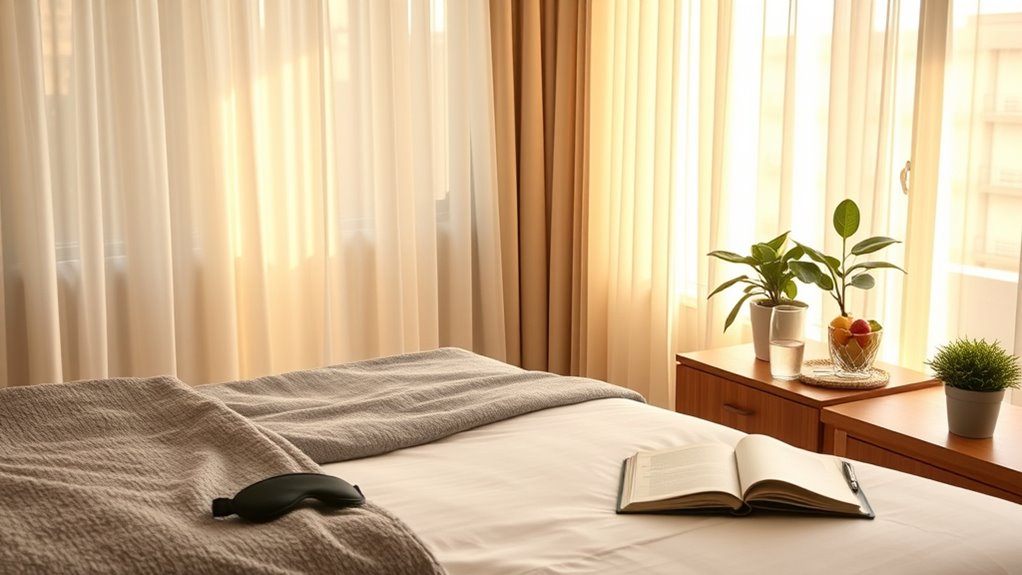
Once you arrive at your destination, establishing a consistent daily routine helps your body adjust more quickly to the new time zone. Focus on creating post travel routines that align with local activity schedules, such as meal times, sleep, and outdoor activities. Avoid napping excessively during the day to prevent disrupting your sleep cycle. Instead, stay active by taking walks or engaging in light exercise to help your body adapt to local activity patterns. Stay hydrated and get plenty of sunlight, especially in the morning, to reinforce your new schedule. By sticking to these routines and embracing local activity adaptation, you signal to your body that it’s time to sync with the new time zone, reducing jet lag symptoms and speeding up your adjustment.
Frequently Asked Questions
Are There Specific Foods That Help Reduce Jet Lag Symptoms?
You can reduce jet lag symptoms by eating nutrient-rich foods like leafy greens, berries, and nuts, which support your energy levels and immune system. Antioxidant-rich snacks, such as dark chocolate or colorful fruits, help fight oxidative stress caused by travel. Incorporate these into your meals and snacks to boost your recovery, stay alert, and ease into the new time zone more comfortably. Remember, balanced nutrition makes a difference.
How Do Different Age Groups Experience Jet Lag Differently?
Think of age groups as different types of clocks—each adjusts uniquely. Younger travelers often bounce back quickly due to faster metabolic rates, making age-specific adjustment easier. Older adults may find jet lag more intense because of developmental differences, like slower circadian rhythms. You might notice that children adapt faster, while seniors need more time and patience. Recognizing these differences helps you tailor your strategies for a smoother shift across time zones.
Can Meditation or Relaxation Techniques Aid in Adjusting Faster?
Yes, meditation and relaxation techniques can help you adjust faster to new time zones. Practicing mindfulness and deep breathing exercises calms your mind and reduces stress, making it easier to reset your internal clock. By dedicating a few minutes daily to these relaxation methods, you can improve your sleep quality and ease jet lag symptoms, helping you feel more alert and synchronized with your destination’s schedule.
What Are the Long-Term Health Effects of Frequent Jet Lag?
Frequent jet lag can lead to long-term health issues. Circadian disruption from constant travel messes with your internal clock, increasing risks of sleep deprivation, heart problems, and metabolic disorders. While occasional travel is manageable, repeated disruptions may weaken your immune system and raise your chances of chronic conditions. To protect your health, try to maintain consistent sleep routines and manage exposure to light, helping your body adjust better over time.
Are There Any New Technologies or Gadgets That Assist in Jet Lag Recovery?
New technologies like wearable sleep trackers and light therapy devices can help you recover from jet lag faster. Wearable sleep trackers monitor your sleep patterns, giving you insights to optimize rest. Light therapy devices simulate natural sunlight, helping reset your internal clock. By using these gadgets, you actively manage your exposure to light and sleep quality, making it easier to adjust to new time zones and reduce jet lag symptoms quickly.
Conclusion
Think of your body as a ship steering through shifting currents. With the right preparations and strategies, you can steer smoothly across time zones, avoiding turbulent waters. Embrace these remedies as your guiding stars, helping you find calm and balance on your journey. Soon, you’ll arrive at your destination with energy and ease, ready to set sail into new adventures, confident that you’ve mastered the art of crossing time zones seamlessly.