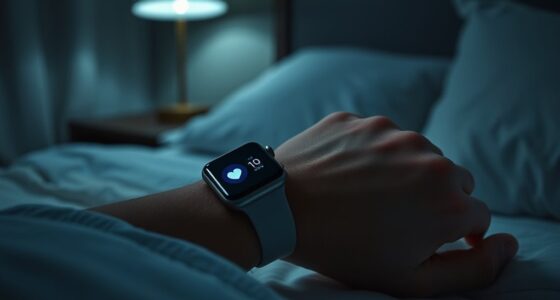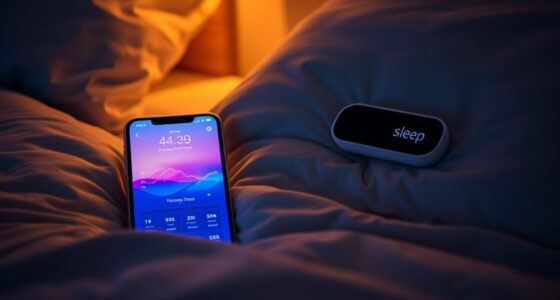
Choosing between wearable and under-mattress sleep trackers depends on your lifestyle and preferences. Wearables give you quick setup, detailed health data, and the flexibility to track sleep and daily activity but require regular charging and may feel uncomfortable. Under-mattress sensors offer a hands-off, easy-to-install option that stays hidden and requires no charging. To find the best fit for your habits and needs, consider how comfortable and reliable each option is for you; more details await.
Key Takeaways
- Wearables offer detailed, real-time data and additional health metrics but may cause discomfort and require regular charging.
- Under-mattress sensors provide a hands-off, hassle-free experience but may have less precise sleep phase differentiation.
- Device accuracy depends on proper setup, calibration, and sensor quality, impacting the reliability of sleep insights.
- Wearables suit active users seeking comprehensive health monitoring; under-mattress sensors are ideal for passive, easy setup.
- Privacy and data security are vital; choose devices with transparent policies and secure data handling practices.
How Wearable Sleep Trackers Work
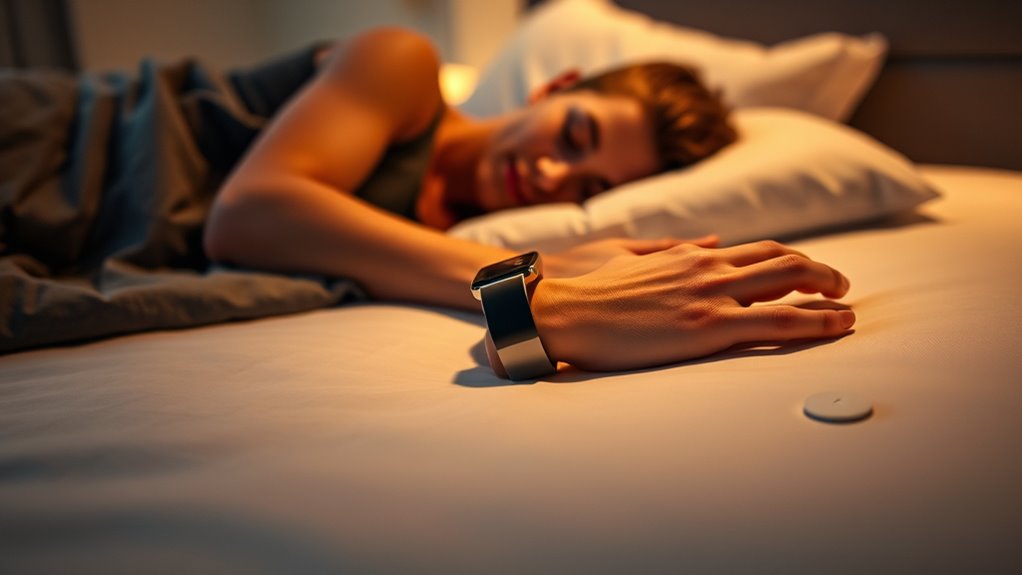
Wearable sleep trackers work by using sensors that monitor your body’s movements and physiological signals throughout the night. These devices track sleep quality by analyzing how much you move and your heart rate, providing insights into your rest patterns. Thanks to technology integration, they sync seamlessly with your smartphone or other devices, making data collection straightforward. As you wear the tracker, it continuously gathers data, which is then processed to give you a detailed overview of your sleep cycles, duration, and disturbances. Incorporating sensor technology advancements can enhance the accuracy of the data collected. Additionally, understanding sensor technology can help you choose a device that offers more accurate and reliable data. Modern wearable trackers often utilize biometric sensors that improve the precision of physiological measurements, leading to better sleep analysis. The integration of data analysis algorithms further refines the insights provided, making sleep tracking more comprehensive. Furthermore, selecting a device with customizable settings can help tailor the tracking experience to your specific sleep habits, increasing its effectiveness. Overall, wearable sleep trackers combine sensor technology with easy connectivity to give you a thorough picture of your sleep health.
How Under-Mattress Sensors Function

Under-mattress sensors detect your sleep patterns by using embedded technology that monitors movement, breathing, and heart rate without direct contact. Sensor placement is key; these devices are placed underneath your mattress, so they can pick up subtle signals through the bedding. The sensors use advanced algorithms to interpret the data they collect, translating raw signals into meaningful sleep metrics. This approach aligns with European cloud innovation by utilizing energy-efficient data processing techniques. You don’t need to wear anything or adjust your routine, making them discreet and unobtrusive. The data interpretation process involves analyzing patterns in movement and physiological signals to determine sleep stages, duration, and quality. This seamless integration provides insights into your sleep habits without disturbing your sleep environment, giving you a clear picture of your sleep health with minimal effort.
Accuracy and Data Reliability
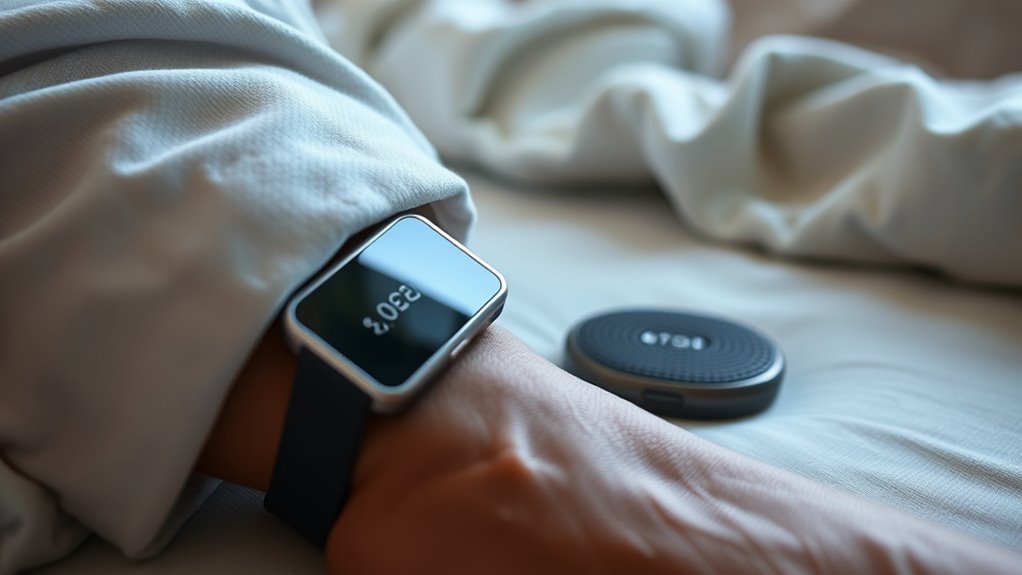
While under-mattress sleep trackers offer a convenient and non-intrusive way to monitor your sleep, their accuracy can vary depending on several factors. Battery life influences how often you need to recharge, affecting continuous data collection. Shorter battery life may lead to interruptions, reducing reliability. Calibration accuracy is also vital; if the device isn’t properly calibrated, it might misinterpret movements or sleep stages, leading to less precise data. Unlike wearables, under-mattress sensors can sometimes struggle with detecting subtle changes or differentiating between sleep phases. Additionally, the science behind sleep tracking indicates that the reliability of these devices is closely tied to their ability to accurately interpret physiological signals. Overall, while these trackers provide valuable insights, their data’s reliability depends heavily on consistent calibration and sufficient battery life to guarantee uninterrupted monitoring.
Convenience and User Experience
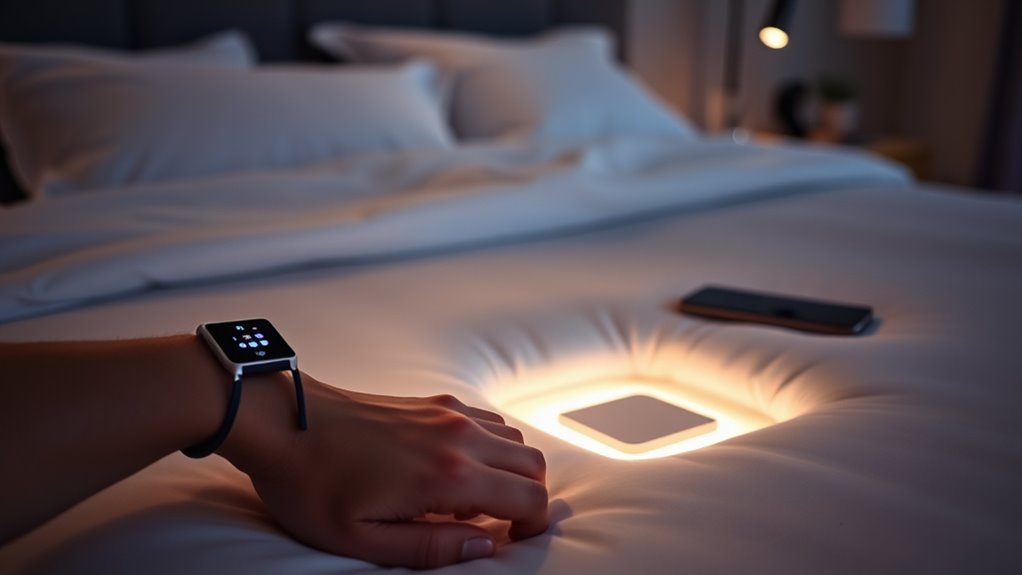
Convenience and user experience play a significant role in choosing between wearable and under-mattress sleep trackers. With wearables, you benefit from quick setup and immediate access to data, but their battery life can be a concern, requiring regular charging. User comfort varies; some find wearing a device all night uncomfortable, while others barely notice it. Under-mattress trackers, on the other hand, offer a hands-off experience—just place the device and forget about it—without worrying about charging or comfort issues. Additionally, the integration of smart home fitness technology can enhance your sleep environment and overall wellness. Moreover, Suprem fabric in sleep wearables can improve comfort and durability, making devices more pleasant to wear overnight. However, they may lack real-time feedback and sometimes require more setup. For example, wearable devices may also track additional health metrics like heart rate and activity levels, providing a more comprehensive picture of your health. Incorporating advanced sensor technology can further improve data accuracy and insights. The choice often depends on how well a device seamlessly fits into your smart home ecosystem and daily routine. Ultimately, your preference depends on how much you value ease of use, comfort, and battery maintenance in your sleep tracking experience.
Privacy and Data Security
When choosing a sleep tracker, privacy and data security are essential considerations, especially since these devices collect sensitive health information. You should guarantee that the company uses data encryption to protect your data from unauthorized access. Check their privacy policy to understand how your information is stored, shared, and used. It’s also important to verify that they obtain your user consent before collecting or sharing any data. Be cautious about third-party access and whether your data might be sold or used for marketing. Opt for brands that prioritize transparency and give you control over your information. Protecting your sleep data helps maintain your privacy and reduces the risk of identity theft or misuse. Additionally, consider whether the company adheres to vetted wave and wind standards to ensure reliable data handling and privacy practices. Paying attention to data security protocols can further safeguard your information against potential breaches. Ensuring that the device manufacturer follows established privacy standards can provide added assurance that your data is handled responsibly. Moreover, selecting devices with reputable data handling practices can help ensure your information remains secure throughout its lifecycle. Engaging with vendors who demonstrate a commitment to software quality assurance can also be an indicator of overall trustworthy data management.
Cost and Accessibility
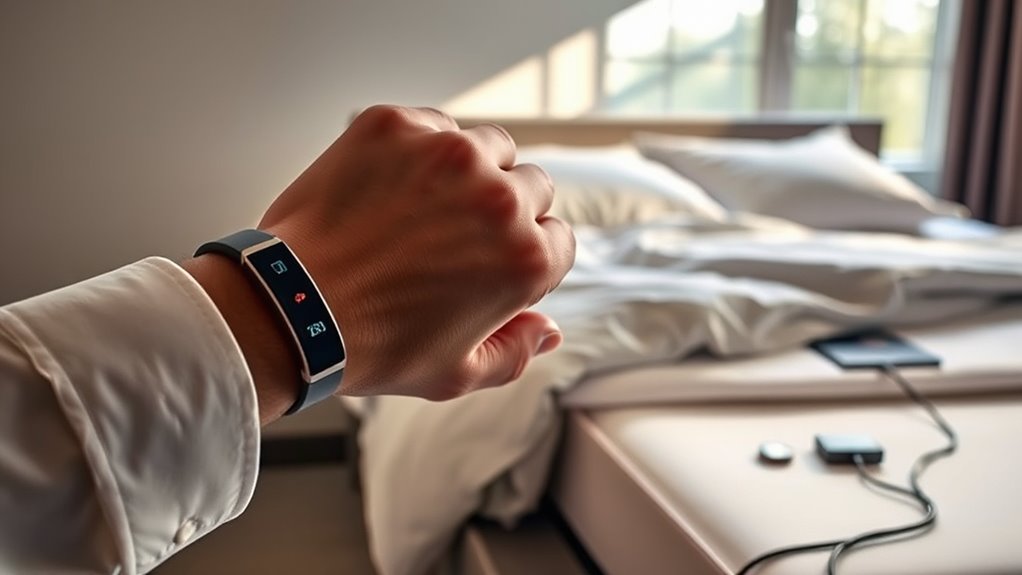
You’ll find that both wearable and under-mattress sleep trackers come in affordable options, making it easier to find a device that fits your budget. Purchasing these devices is straightforward, with many models available online and in stores. This accessibility means you don’t have to wait long to start tracking your sleep improvements.
Affordable Options Available
Affordable sleep trackers are more accessible than ever, offering options that fit various budgets without sacrificing essential features. If you’re looking for budget friendly solutions, you’ll find many models that provide accurate sleep data at a fraction of the cost of premium devices. These budget conscious choices often include basic wearable options and under-mattress sensors that track sleep without breaking the bank. Many brands now offer entry-level devices that still deliver useful insights into your sleep patterns, making it easier to improve your sleep hygiene without overspending. By exploring these affordable options, you can enjoy the benefits of sleep tracking without compromising your financial priorities. This accessibility ensures that more people can prioritize their sleep health, regardless of their budget.
Ease of Purchase
Getting your hands on a sleep tracker has become easier than ever, thanks to widespread availability and a variety of purchasing options. Retail availability guarantees you can find both wearable and under-mattress trackers at major stores, online retailers, and specialty health shops. The purchase process is straightforward—many devices come with user-friendly websites and quick checkout options, making it simple to buy from the comfort of your home. Price ranges vary, but most models are competitively priced, and some retailers offer discounts or bundles. Accessibility is also enhanced by the variety of brands and features available, giving you the flexibility to choose a device that fits your budget and preferences. Overall, acquiring a sleep tracker now takes less time and effort than ever before. Additionally, cybersecurity considerations are important when purchasing online, ensuring your personal data remains protected during the transaction.
Which Option Fits Your Lifestyle?
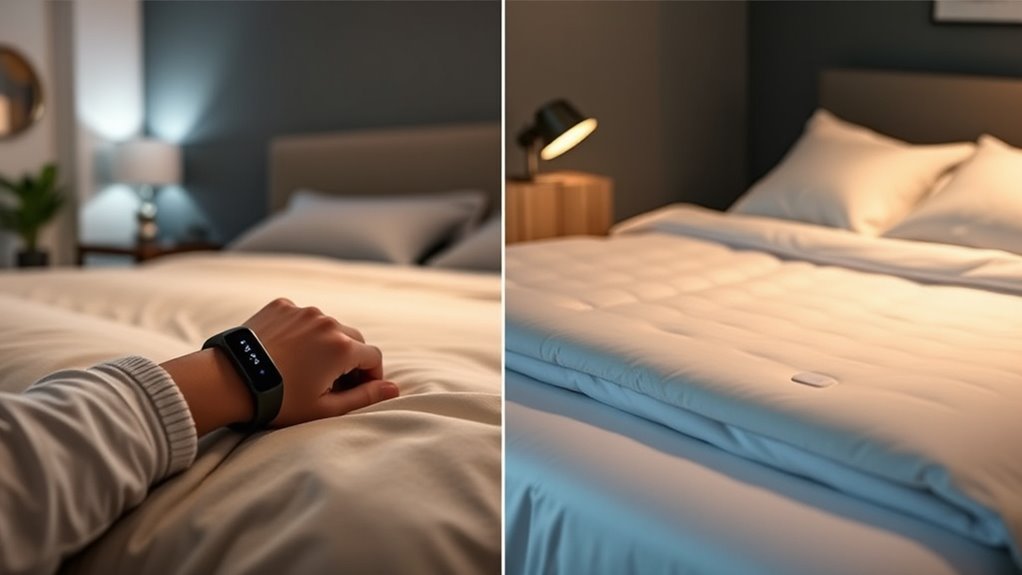
Choosing between wearable and under-mattress sleep trackers depends largely on your daily routine and personal preferences. If you value lifestyle adaptability, consider how each option fits into your habits. Wearables are ideal if you want a device you can easily wear during the day, offering continuous health tracking beyond sleep. They suit active individuals who like to monitor their activity levels and sleep patterns on the go. On the other hand, under-mattress trackers provide seamless daily routine compatibility by requiring no effort once set up, making them perfect for those who prefer a hands-off approach. If you sleep lightly or tend to move a lot, a wearable might give more accurate data. Additionally, sensor accuracy can vary between options, influencing how reliable the data feels. For example, some biometric sensors in wearables are designed to capture detailed physiological signals, which can enhance data precision. When selecting a device, consider how data reliability aligns with your expectations for tracking your sleep, especially since proper device calibration can impact overall accuracy. Furthermore, the comfort and convenience of each device can significantly affect your willingness to wear or use it consistently, ultimately impacting the usefulness of the tracked data. Ultimately, choose the option that best aligns with your habits and comfort level.
Frequently Asked Questions
Can Both Types of Trackers Monitor Sleep Stages Accurately?
Yes, both types of trackers can monitor sleep stages, but sensor accuracy varies. Wearables often provide more detailed data because they directly measure heart rate and movement, enhancing data reliability. Under-mattress options rely on sensors that detect movement and sounds, which may be less precise. Your choice depends on how much you prioritize accurate sleep stage monitoring, but both can give useful insights into your sleep patterns.
Are Wearable or Under-Mattress Trackers Suitable for Children?
Are wearable or under-mattress trackers suitable for children? It’s complicated. You need to take into account child safety and comfort concerns. Wearables might pose safety risks or cause discomfort, especially for active kids, while under-mattress options are less intrusive but may not be as accurate for children’s sleep. Always prioritize safety, and consult a healthcare professional before choosing a device to ensure it’s suitable and safe for your child.
How Do Environmental Factors Affect Sensor Performance?
Environmental factors can substantially impact sensor performance. You should guarantee proper sensor calibration to maintain accuracy, especially in changing conditions. Ambient noise can interfere with sleep data, making it harder for sensors to detect true sleep patterns. To get reliable results, keep the environment quiet and stable, and regularly calibrate your device. This way, your sleep tracker provides precise insights, helping you improve your sleep quality effectively.
Which Tracker Type Is Better for Detecting Sleep Disorders?
You might think a wearable is the hero for detecting sleep disorders, but under-mattress trackers often surprise you with clinical accuracy. They stay comfortably under your mattress, providing detailed data without disturbing your sleep. While wearables can be less comfortable and prone to user error, under-mattress devices excel in consistent, non-intrusive monitoring. For precise diagnosis, under-mattress trackers usually offer better detection, blending comfort with reliable clinical accuracy.
Do Different Sleep Trackers Integrate With Health Apps Seamlessly?
Most sleep trackers, whether wearable or under-mattress, generally integrate seamlessly with popular health apps thanks to device compatibility features. They often share data automatically, allowing you to monitor your sleep patterns easily. However, check specific device compatibility to guarantee smooth data sharing with your preferred health app. Compatibility varies by brand, so it’s best to verify that your sleep tracker and health app work well together before purchasing.
Conclusion
Ultimately, choosing between wearable and under-mattress sleep trackers depends on your lifestyle and priorities. If you want detailed insights and don’t mind wearing a device, a wearable might be your best bet. But if you prefer something seamless that won’t interfere with your sleep, an under-mattress sensor could be ideal. Remember, there’s no one-size-fits-all — it’s about finding what fits you like a glove and helps you get better rest every night.