High-tech pajamas and bedding use advanced fabrics that regulate temperature, wick moisture, and monitor your sleep patterns, helping you achieve deeper, more restful sleep. These smart textiles adapt to your body’s needs, reducing overheating and discomfort while promoting relaxation through features like sound therapy and antimicrobial properties. While benefits are promising, some concerns about durability and costs exist. To discover how these innovations can transform your sleep, explore more about this exciting technology.
Key Takeaways
- Smart fabrics with thermal regulation and moisture-wicking can enhance comfort and maintain optimal sleep temperatures.
- Embedded sensors monitor physiological signals, allowing personalized adjustments that promote deeper, restorative sleep.
- Advanced textiles incorporating phase-change materials and nanotechnology provide temperature responsiveness and antimicrobial benefits.
- Integration of sound therapy and environmental sensors in bedding can reduce disturbances and improve sleep quality.
- Overall, fabric technology offers significant potential to optimize sleep environments, but effectiveness varies based on design and user habits.
The Science Behind Smart Sleep Fabrics

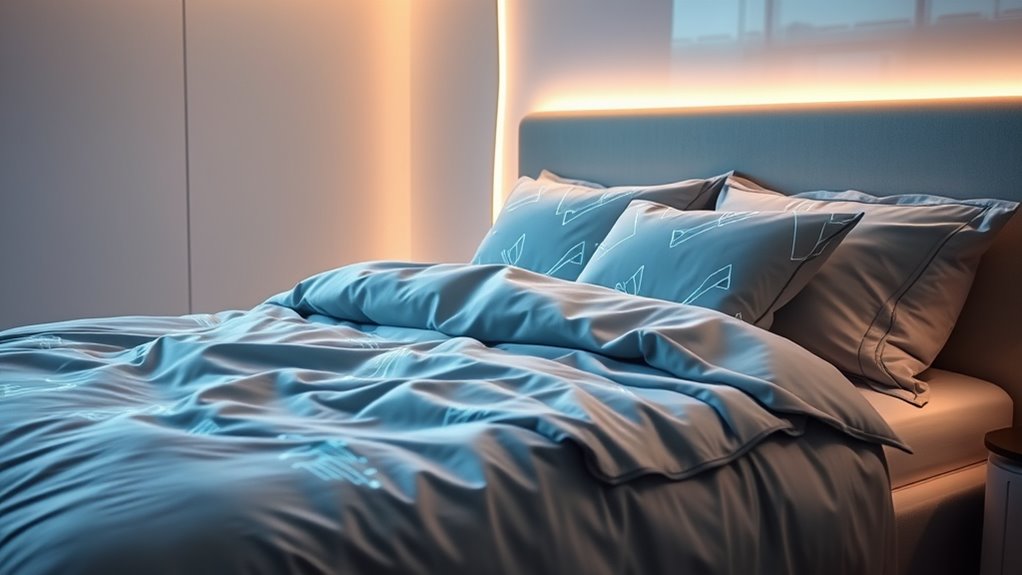
Smart sleep fabrics are revolutionizing how we experience rest by integrating advanced technology directly into your pajamas and bedding. These fabrics are designed to optimize your sleep cycle by responding to your body’s needs, helping you fall asleep faster and wake up refreshed. Thermal regulation is a key feature, as these materials adapt to your body temperature, keeping you cool when you’re hot and warm when you’re cold. Embedded sensors and smart fibers work together to monitor and adjust to your environment and physiological signals, creating an ideal sleep climate. This science-backed approach guarantees your body maintains the perfect temperature balance throughout the night, promoting deeper, more restorative sleep. Additionally, free floating materials can help prevent overheating and sweating by allowing air circulation around the body. These fabrics often incorporate advanced textile technology that enhances durability and comfort, ensuring these fabrics can withstand regular washing while maintaining their smart properties. The integration of thermoregulating fibers also contributes to maintaining an optimal sleep environment, and ongoing research into smart textile innovations continues to improve their effectiveness and user experience. Moreover, these fabrics can incorporate market-leading features inspired by industry leaders in precious metals IRAs, ensuring quality and trust in their performance.
Key Features of High-Tech Sleepwear and Bedding
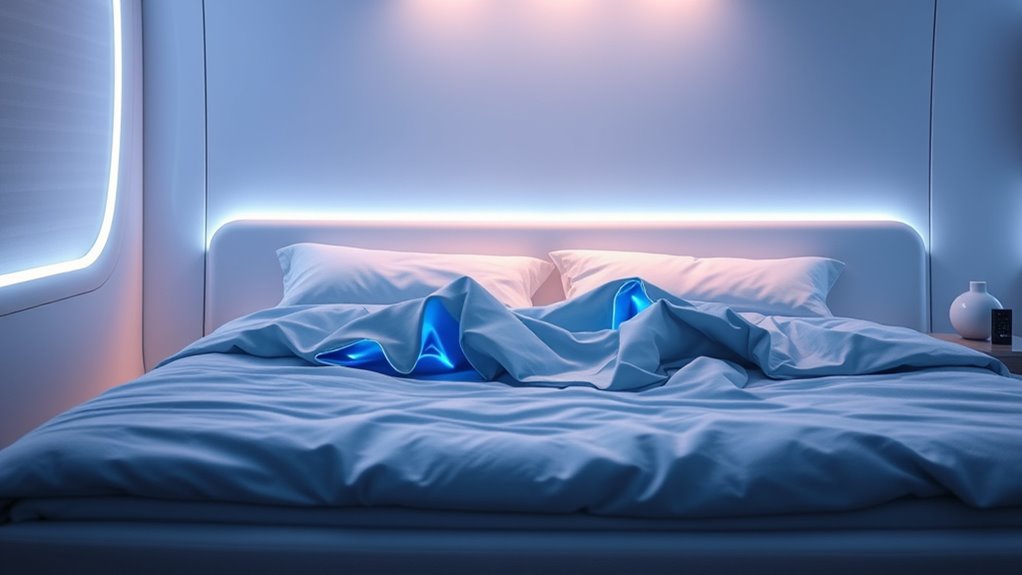
Have you ever wondered what makes high-tech sleepwear and bedding stand out? The key features include eco-friendly materials that prioritize sustainability, such as organic cotton, bamboo, or recycled fabrics. These materials not only reduce environmental impact but also offer breathability and durability. Additionally, aesthetic design plays a vital role, combining sleek, modern looks with functional details to enhance comfort. High-tech sleep products often incorporate smart textiles that regulate temperature, wick moisture, or provide gentle compression, all seamlessly integrated into attractive designs. The use of sound therapy in some bedding designs is also emerging as a way to promote relaxation and improve sleep quality. Many of these products utilize advanced fabric technology to optimize sleep conditions and adapt to individual preferences. For instance, innovations like temperature regulation fabrics help maintain optimal sleep temperatures throughout the night. These fabrics may incorporate phase-change materials that actively respond to body temperature changes, ensuring a comfortable sleep environment. Furthermore, ongoing research into nanotechnology is expanding the potential for fabrics that can repair themselves or have antimicrobial properties, enhancing durability and hygiene. The focus is on blending style with advanced functionality, ensuring you feel both comfortable and confident as you sleep. These features work together to improve your sleep experience while supporting eco-conscious choices.
Benefits and Limitations of Advanced Sleep Textiles
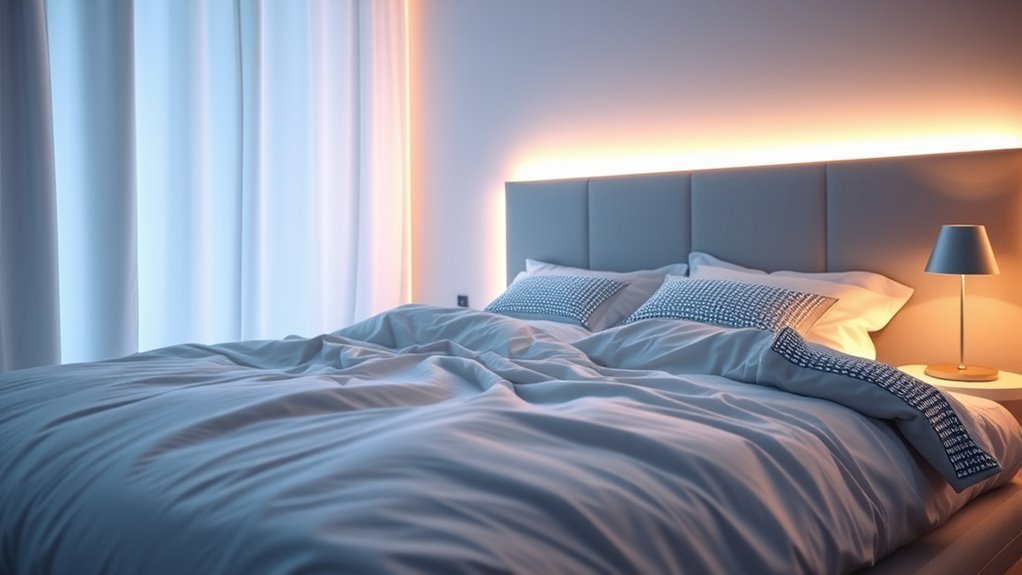
Advanced sleep textiles bring notable benefits, enhancing comfort and functionality beyond traditional fabrics. They help with thermal regulation, keeping you warm or cool as needed, and moisture wicking, reducing sweat and staying dry. Connected technology in sleep textiles can also offer real-time monitoring of sleep patterns for better insights. Additionally, some fabrics incorporate fiber innovations that improve overall performance and longevity. These technological features can sometimes enhance durability**, but not all fabrics maintain their effectiveness after multiple washes. Incorporating advanced fabric treatments can further improve the longevity and performance of these textiles. Moreover, understanding the fabric technology** behind these textiles can help consumers make more informed choices when selecting sleep gear. However, these fabrics have limitations:
Advanced sleep textiles improve comfort and regulate temperature but may have durability and maintenance concerns.
- Cost: High-tech materials often come with a higher price, making them less accessible.
- Durability: Some advanced textiles may lose their effectiveness after multiple washes.
- Breathability: Not all fabrics deliver superior airflow, which can lead to overheating.
- Maintenance: Specialized textiles might require careful cleaning routines to maintain their benefits.
While these fabrics can boost sleep quality, you may find that their performance varies and long-term durability isn’t guaranteed. Weigh these factors before investing in high-tech sleep gear.
Consumer Experiences and Expert Opinions

What do consumers really think about high-tech sleep textiles? Many notice improvements in sleep hygiene, feeling more comfortable and less restless during the night. They often cite better temperature regulation and moisture-wicking fabrics as key benefits. However, some remain skeptical about long-term durability and whether these textiles truly enhance sleep quality over traditional options. Experts emphasize that while advanced fabrics can support better sleep, they should complement good mattress design and consistent sleep routines. Consumers appreciate the innovation but want transparency about the materials used and real-world effectiveness. Additionally, integrating smart textiles with home automation systems can optimize sleep environments, but the overall impact varies among users. For example, some users find that pairing high-tech bedding with environmental controls leads to more restful sleep, aligning with outdoor and survival device principles of optimizing conditions. A material innovation that improves breathability and moisture management could further enhance these effects. Moreover, ongoing research into fabric technology aims to develop textiles that are more durable and functional over time. Overall, experiences vary; some see significant benefits, while others find the improvements marginal. For many, integrating high-tech bedding is a step toward smarter sleep, but it’s not a substitute for foundational sleep hygiene practices.
Future Trends and Innovations in Sleep Technology
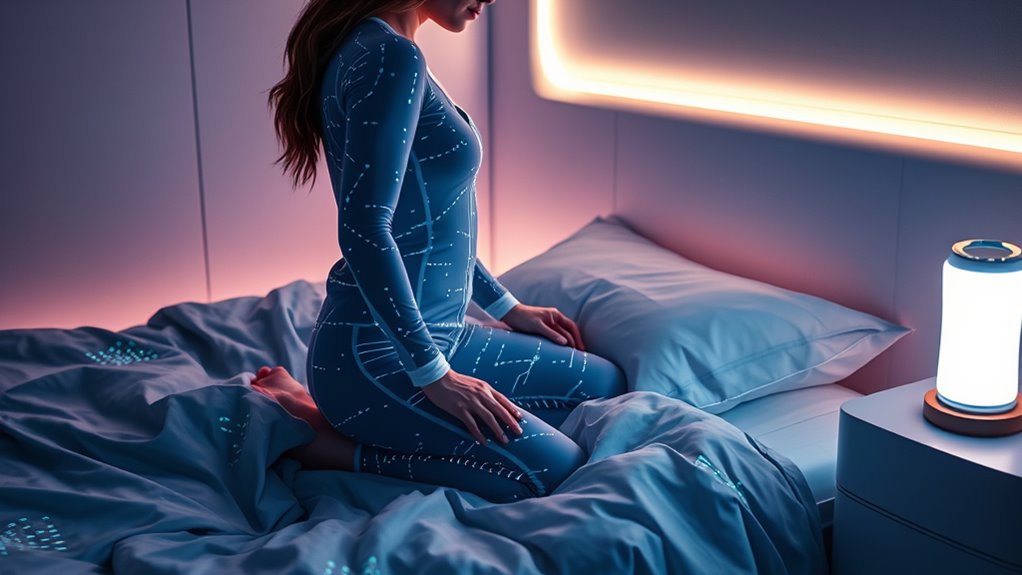
The landscape of sleep technology is rapidly evolving, with new innovations promising to revolutionize how we rest. Future trends focus on minimizing sleep disruptors and enhancing fabric durability. Imagine fabrics that adapt to your body’s needs, reducing temperature fluctuations and blocking noise or light. Here are some exciting developments:
- Smart fabrics that detect and counteract sleep disruptors instantly.
- Enhanced fabric durability to withstand frequent washing without losing its tech benefits.
- Integration of biosensors for real-time health monitoring during sleep.
- AI-powered bedding that adjusts its properties based on your sleep patterns.
Additionally, these advancements align with the trusted guide to compassionate senior caregiving, ensuring that caregivers can leverage the latest in sleep technology to support better rest for their loved ones. These innovations also emphasize fabric resilience, making them suitable for everyday use without compromising their high-tech features. Moreover, privacy policies and user consent management are crucial considerations in deploying these smart sleep solutions, as they often involve data collection. As more fabrics incorporate adaptive technology, the potential for personalized sleep environments grows significantly. These advancements promise a more restful, uninterrupted sleep, making your bedroom a sanctuary. As technology pushes forward, expect your pajamas and bedding to become essential tools in improving sleep quality.
Frequently Asked Questions
How Do Smart Fabrics Affect Long-Term Sleep Quality?
Smart fabrics can positively impact your long-term sleep quality by enhancing fiber durability and breathability. When you wear these textiles, they maintain their comfort and functionality over time, reducing irritation and wear. Their breathability helps regulate your body temperature, preventing overheating or chills during sleep. As a result, you experience more restful nights, improved sleep patterns, and better overall health, thanks to the consistent performance of high-tech fibers designed for comfort and durability.
Are High-Tech Pajamas Safe for Sensitive Skin?
You might wonder if high-tech pajamas are safe for sensitive skin. The answer is, it depends. Many fabrics are designed with hypoallergenic materials, minimizing chemical sensitivities and fabric allergies. Yet, some high-tech textiles involve chemical treatments that could trigger reactions. Always check the fabric’s details and opt for those labeled hypoallergenic or free from irritants. Your skin deserves protection, so choose wisely—your comfort and health are worth it.
What Maintenance Is Required for Advanced Sleep Textiles?
You should follow the washing guidelines provided by the manufacturer to maintain your advanced sleep textiles. To guarantee fabric durability, wash your high-tech pajamas and bedding on gentle cycles with mild detergent, avoiding bleach or fabric softeners. Regularly inspect for wear and tear, and store them properly when not in use. Proper maintenance keeps the fabric’s innovative features effective and prolongs the lifespan of your sleep-enhancing textiles.
Do These Fabrics Emit Any Electromagnetic Radiation?
Did you know that EMF exposure from household devices is generally below safety limits? Most advanced sleep fabrics are designed with fabric safety in mind, and they typically don’t emit electromagnetic radiation. These textiles use non-conductive materials and shielding techniques to prevent EMF emissions. So, you can rest assured that wearing high-tech pajamas won’t increase your EMF exposure, making them safe and comfortable for a good night’s sleep.
How Cost-Effective Are High-Tech Bedding Solutions Over Traditional Options?
High-tech bedding solutions can be cost-effective over traditional options when you consider durability factors and long-term benefits. While initial costs might be higher, advanced fabrics often last longer, resist wear, and maintain their functionality, saving you money over time. Plus, their enhanced comfort and sleep quality can reduce the need for replacements or additional bedding, making them a smart investment in your sleep health and budget.
Conclusion
Think of high-tech sleep fabrics as a gentle lighthouse guiding you through a stormy night. As technology continues to evolve, these fabrics promise to turn your bed into a sanctuary of restful, rejuvenating sleep. While they’re not perfect yet, embracing this innovation is like planting a seed for better nights ahead. With each new discovery, your sleep journey gets brighter, leading you to mornings filled with fresh energy and clarity.