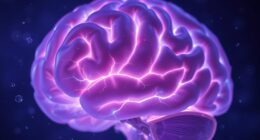
When you don’t get enough sleep, your brain struggles with concentration, memory, and decision-making, making you feel less alert and creative. Your hormones get out of balance, increasing hunger and leading to weight gain, while immune function weakens, raising your risk of infections. Sleep deprivation also raises blood pressure, elevates heart disease risk, and causes skin to age faster. Chronic lack of sleep impacts almost every part of your health, so exploring more can help you protect yourself.
Key Takeaways
- Sleep deprivation impairs cognitive functions like memory, concentration, and decision-making.
- It disrupts hormonal balance, increasing hunger and risking weight gain and metabolic issues.
- Lack of sleep weakens the immune system, raising infection vulnerability and slowing recovery.
- Insufficient rest elevates blood pressure and damages cardiovascular health over time.
- Chronic sleep deprivation raises risks of heart disease, diabetes, mental health problems, and accelerates aging.
Impact on Brain Function and Cognitive Performance
When you don’t get enough sleep, your brain’s ability to function properly quickly diminishes. You might notice difficulty concentrating, slower reaction times, and impaired decision-making. Sleep is essential for dream recall, which helps process emotions and consolidate memories. Polynesian symbols for strength are often used to emphasize resilience, much like the importance of sleep in maintaining mental resilience. Without enough rest, your brain struggles to transfer information from short-term to long-term storage, hampering memory consolidation. This disruption makes it harder to remember details or learn new skills. Cognitive performance declines as your mental clarity diminishes, affecting work, problem-solving, and communication. You may also experience increased forgetfulness and reduced creativity. Sleep deprivation hampers your brain’s efficiency, leaving you mentally foggy and less capable of handling daily tasks. Additionally, neuroplasticity, or the brain’s ability to adapt and reorganize itself, is significantly impaired by lack of sleep. Research indicates that sleep deprivation can negatively influence the brain’s connectivity patterns, which play a vital role in cognitive functioning. Prioritizing quality sleep is vital for maintaining sharp cognitive functions and overall mental health.
Disruption of Hormonal Balance and Appetite Regulation

Lack of sleep disrupts your body’s hormonal balance, directly affecting hunger and fullness signals. When you’re sleep-deprived, your hormones like ghrelin and leptin become unbalanced, sabotaging appetite control. Ghrelin, the hunger hormone, increases, making you crave more food, while leptin, which signals fullness, drops. Here’s a visual to help imagine this effect:
| Sleep Level | Ghrelin (Hunger) | Leptin (Fullness) |
|---|---|---|
| Well-rested | Low | High |
| Slightly Sleep-deprived | Slightly high | Slightly low |
| Moderately Sleep-deprived | High | Low |
| Severely Sleep-deprived | Very high | Very low |
| Chronic Sleep Loss | Excessively high | Almost absent |
This hormonal imbalance hampers appetite control, leading to overeating and weight gain. Additionally, the disruption of hormonal balance can negatively impact overall health beyond appetite regulation. Research also shows that sleep deprivation can impair metabolic health, increasing the risk of developing chronic diseases. Moreover, inadequate sleep can negatively influence stress hormones, which further complicate weight management and overall well-being. Sleep deprivation can also affect immune function, making the body more vulnerable to illness.
Impaired Immune System Response
When you don’t get enough sleep, your immune system struggles to produce enough immune cells, making it harder to fight off illnesses. This increases your risk of infections and slows down your body’s ability to heal injuries. Without proper rest, your body becomes more vulnerable and takes longer to recover. Additionally, sleep deprivation can impair your body’s ability to engage in immune response, further reducing its effectiveness. Lack of sleep can also lead to decreased production of essential essential oils for immune health, which are vital for maintaining your body’s defenses. Moreover, poor sleep can negatively impact sleep hygiene, which is crucial for supporting overall immune function. Maintaining good immune-boosting strategies is essential for keeping your immune system resilient during periods of inadequate rest.
Reduced Immune Cell Production
Sleep deprivation disrupts your body’s ability to produce essential immune cells, weakening your overall immune response. Without enough rest, your bone marrow and lymphatic system struggle to generate the necessary white blood cells that fight off pathogens. This immune suppression leaves you more vulnerable to infections, as your body can’t mount an effective defense. Reduced immune cell production hampers the activation of your immune system’s defenses, making it harder to detect and eliminate harmful invaders. Over time, this decline in immune function can lead to prolonged illnesses and increased susceptibility to common infections. When you don’t get enough sleep, your body’s natural ability to produce immune cells diminishes, directly impacting your capacity to stay healthy and resist illnesses. Proper immune function relies heavily on adequate sleep, emphasizing its importance for maintaining health.
Increased Infection Risk
A weakened immune system from sleep deprivation leaves your body less equipped to fight off infections. When you don’t get enough sleep, your immune response becomes less effective, making you more vulnerable to bacteria and viruses. Sleep is vital for producing infection-fighting cells and antibodies, which help your body recognize and eliminate pathogens. Without adequate rest, your immune defenses weaken, increasing infection susceptibility. This means even minor illnesses can become more severe or last longer. Chronic sleep deprivation hampers your body’s ability to mount an ideal immune response, leaving you exposed to common colds, flu, and other infections more often. Maintaining proper sleep hygiene is essential for immune function, and lifestyle habits play a crucial role in supporting your immune health. Incorporating immune-boosting habits can help support your immune health. Using air purifiers can help reduce airborne pathogens and support your immune health. Prioritizing consistent, quality sleep helps maintain a strong immune system, reducing your risk of falling ill.
Slowed Healing Processes
Without sufficient sleep, your body’s ability to repair damaged tissues and recover from injuries slows down considerably. When you don’t get enough rest, wound healing becomes less efficient, and tissue repair takes longer. Sleep is essential for the production of cytokines and growth factors that support immune function and tissue regeneration. Sleep deprivation disrupts the production of these vital substances, further impairing healing. Without these, your immune system struggles to fight infections and mend injuries promptly. As a result, cuts and bruises stay open longer, increasing the risk of complications. Chronic sleep deprivation hampers the body’s natural healing processes, making it harder for your body to recover fully from physical stress. Impaired immune response reduces your body’s capacity to ward off illnesses and delays recovery times. Ensuring adequate sleep helps maintain a strong immune response, speeds up tissue repair, and promotes overall healing efficiency.
Increased Risk of Cardiovascular Problems

When you don’t get enough sleep, your risk of developing cardiovascular problems increases substantially. Sleep deprivation can lead to higher blood pressure, which strains your heart and arteries over time. If you have sleep apnea, a condition that disrupts breathing during sleep, it further raises your risk by causing repeated drops in oxygen levels and increasing blood pressure. Without enough rest, your body produces more stress hormones, which can damage blood vessels and promote plaque buildup. Additionally, understanding the thermal behavior of your sleeping environment can help optimize sleep quality and further protect heart health. Maintaining a consistent sleep environment that supports optimal thermal regulation can aid in reducing cardiovascular stress. Proper sleep hygiene practices, such as setting a regular sleep schedule and creating a comfortable sleeping environment, are essential in maintaining cardiovascular health. Over time, these effects elevate your chances of heart attacks, strokes, and other cardiovascular issues. Proper sleep helps regulate blood pressure and reduces stress on your cardiovascular system, keeping your heart healthier and decreasing your risk of serious complications.
Effects on Mood and Emotional Well-Being
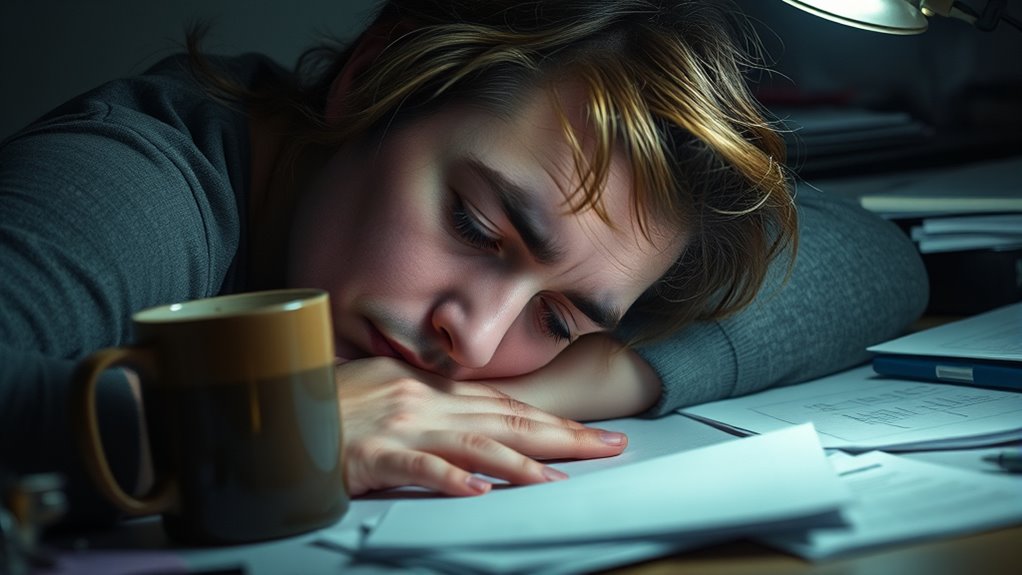
Lack of sleep directly impacts your mood and emotional stability, making you more prone to irritability, anxiety, and depression. Without enough rest, your mood swings become more intense and unpredictable, affecting your daily interactions. Sleep deprivation weakens your emotional resilience, making it harder to cope with stress and setbacks. You may find yourself feeling overwhelmed or unable to manage negative emotions effectively. Over time, these changes can create a cycle where poor sleep worsens your mood, and negative emotions further disrupt your sleep. Recognizing this connection is vital, as improving your sleep habits can help stabilize your mood and strengthen emotional resilience. Incorporating sleep hygiene practices into your routine can also help boost your overall well-being and emotional health. Prioritizing restful sleep isn’t just about feeling better physically; it’s essential for maintaining a balanced, healthy emotional state. Being aware of the emotional impact of sleep can motivate you to adopt better sleep habits and seek support when needed.
Metabolic Changes and Blood Sugar Levels

Sleep deprivation disrupts your body’s metabolic processes, particularly how it manages blood sugar levels. When you don’t get enough sleep, your glucose metabolism becomes less efficient, causing your body to struggle with processing sugars properly. This leads to elevated blood sugar levels, increasing your risk for insulin resistance. Additionally, sleep loss reduces your insulin sensitivity, meaning your cells don’t respond to insulin as well as they should. Over time, these changes can set the stage for metabolic disorders like type 2 diabetes. You might notice that even small amounts of sugar cause spikes in your blood glucose. Prioritizing quality sleep helps maintain healthy glucose metabolism and supports your body’s ability to regulate blood sugar effectively.
Effects on Skin Health and Appearance
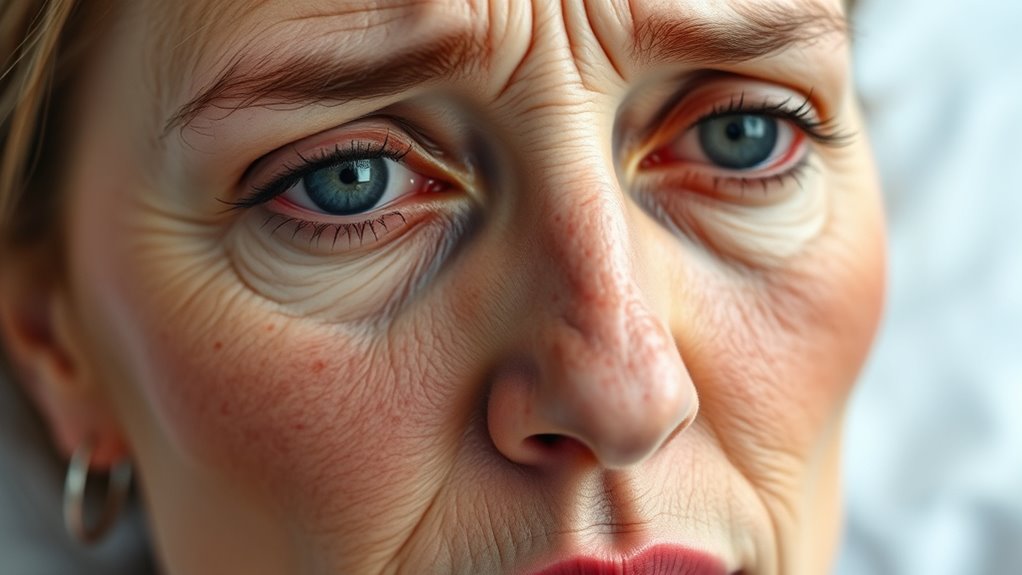
When you don’t get enough sleep, your skin shows it by aging faster and losing its natural glow. You’ll notice your skin feels less hydrated and more prone to dryness, making fine lines more visible. Additionally, sleep deprivation can trigger breakouts and worsen acne, affecting your overall appearance.
Skin Aging Acceleration
Missing out on restorative sleep speeds up skin aging by disrupting the body’s ability to repair and regenerate skin cells. Without enough rest, your skin becomes more vulnerable to wrinkles, sagging, and dullness. Sleep deprivation accelerates collagen breakdown, weakening the skin’s structure and firmness. To visualize, think of this:
| Restful Sleep | Sleep Deprivation |
|---|---|
| Supports collagen production | Causes collagen breakdown |
| Keeps skin elastic | Leads to sagging |
| Promotes cell repair | Triggers aging skin |
| Maintains glow | Dulls appearance |
| Reduces wrinkles | Increases fine lines |
When you skip sleep, your skin’s youthful resilience diminishes, making signs of aging more prominent and faster.
Reduced Skin Hydration
Lack of restorative sleep not only accelerates skin aging but also reduces your skin’s ability to stay properly hydrated. When you don’t get enough sleep, your hydration levels drop, leading to less skin moisture. This makes your skin look dull, dry, and flaky. Without sufficient rest, your skin’s barrier function weakens, allowing moisture to escape more easily. As a result, fine lines become more noticeable, and your complexion appears less vibrant. Reduced skin hydration also hampers your skin’s ability to repair itself overnight, compounding dryness and rough texture. To maintain healthy, glowing skin, prioritize good sleep to support ideal hydration levels and keep your skin moist, soft, and resilient. Sleep is essential for preserving your skin’s natural moisture balance.
Increased Acne Breakouts
Sleep deprivation triggers increased acne breakouts by disrupting your skin’s oil production and clogging pores. When you don’t sleep enough, hormonal fluctuations can spike, leading to excess sebum that traps dirt and dead skin cells. This promotes skin inflammation, making existing pimples worse and creating new ones. Lack of rest also impairs your skin’s ability to repair itself, prolonging inflammation and redness. To visualize this, consider the table below:
| Cause | Effect | Result |
|---|---|---|
| Hormonal fluctuations | Increased sebum production | More acne breakouts |
| Sleep deprivation | Elevated skin inflammation | Redness and swelling |
| Poor sleep quality | Impaired skin repair | Longer-lasting acne |
| Clogged pores | Bacteria buildup | Increased infection risk |
| Reduced healing | Persistent blemishes | Worse skin appearance |
Neglecting sleep worsens acne and damages your skin’s health and appearance.
Long-Term Health Risks of Chronic Sleep Deprivation
Chronic sleep deprivation can silently damage your health over time, increasing your risk for serious conditions. When you don’t get enough sleep, your sleep architecture becomes disrupted, affecting the quality and stages of your rest. This disturbance can impair dream recall, indicating deeper issues with your sleep cycles. Over months and years, poor sleep raises your chances of developing heart disease, diabetes, and cognitive decline. It also weakens your immune system and increases inflammation. Long-term sleep deprivation can even lead to mental health problems like anxiety and depression. By neglecting sleep, you’re not just sacrificing rest—you’re risking these long-term health issues that can diminish your quality of life. Prioritizing good sleep helps protect your body and mind from these silent threats.
Frequently Asked Questions
How Does Sleep Deprivation Affect Memory Retention and Learning Ability?
When you don’t get enough sleep, your memory impairment worsens, making it harder to retain information. Sleep deprivation hampers your brain’s ability to process and store new memories, leading to a learning decline. You may struggle to concentrate and recall details, which affects your overall learning ability. Without sufficient rest, your brain can’t function at its best, hindering your capacity to learn new skills or remember important facts.
Can Lack of Sleep Lead to Long-Term Neurological Conditions?
Lack of sleep can indeed boost neurodegenerative risks and accelerate cognitive decline over time. As you skip restful nights, your brain struggles to clear harmful toxins, increasing the chance of conditions like Alzheimer’s. Think of your neurons as fragile highways; without proper sleep, they become clogged and damaged, raising long-term neurological risks. Prioritize sleep now to protect your brain’s health and preserve your mental sharpness for years to come.
What Are the Effects of Sleep Deprivation on Mental Health Disorders?
Sleep deprivation worsens mental health disorders by increasing emotional instability and causing dream deprivation. You might find it harder to manage stress, experience mood swings, or feel more anxious and depressed. Lack of sleep hampers your brain’s ability to process emotions and memories, making mental health symptoms more intense. Over time, this can lead to serious issues, so prioritizing good sleep is essential for maintaining emotional balance and overall mental well-being.
How Does Poor Sleep Influence Stress Hormone Levels Over Time?
Imagine you skip several nights of sleep, and over time, your cortisol levels spike, creating a hormonal imbalance. This increase in stress hormones can make you feel anxious and overwhelmed, impairing your ability to handle daily pressures. Consistently poor sleep disrupts the body’s regulation of cortisol, leading to chronic stress and health problems. You might notice your mood dipping and your energy waning as your body struggles to restore balance.
Are Certain Populations More Vulnerable to Health Issues From Sleep Deprivation?
Certain age groups and those with specific occupational risks are more vulnerable to health issues from sleep deprivation. As you age, your body becomes less resilient, making it harder to recover from poor sleep. If you work in high-stress or demanding jobs, sleep loss can heighten risks like heart disease, diabetes, and mental health problems. Recognizing these vulnerabilities helps you prioritize better sleep habits for long-term health.
Conclusion
If you neglect sleep, your body pays the price—your mind struggles, your mood dips, and your health suffers. Think of sleep as your body’s reset button; without it, everything gets out of sync. Skimp on rest, and you’ll find yourself more prone to illness, stress, and long-term health issues. Remember, “A stitch in time saves nine”—prioritize quality sleep now to keep your body and mind in top shape tomorrow.