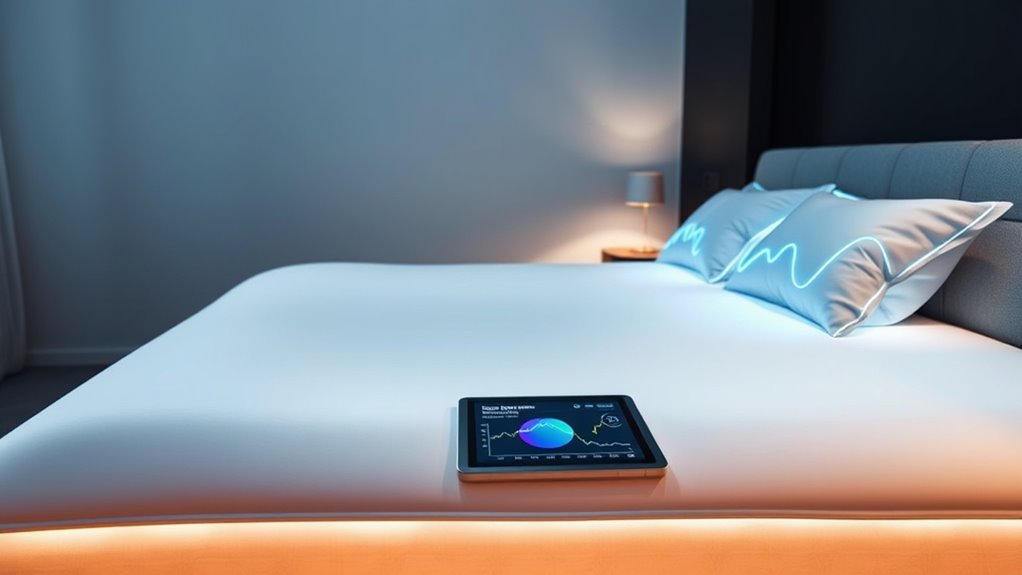

Smart beds use sensors and automation to personalize comfort and monitor your sleep, but their high costs often raise questions about their true benefits. While they can improve sleep by adjusting firmness and tracking health patterns, data accuracy and long-term reliability vary. You may find some features helpful, but they aren’t perfect solutions. To understand if they’re worth the investment and how effective they really are, explore more insights below.
Key Takeaways
- Smart beds offer personalized comfort adjustments and sleep monitoring, which can improve sleep quality for some users.
- Sensor accuracy and environmental factors impact the reliability of sleep data and subsequent benefits.
- High costs and maintenance may outweigh the actual sleep improvements for budget-conscious consumers.
- Privacy concerns and technical issues can affect user satisfaction and trust in smart mattress technology.
- Long-term value depends on the durability, software updates, and whether features truly enhance sleep health.
The Technology Behind Smart Beds
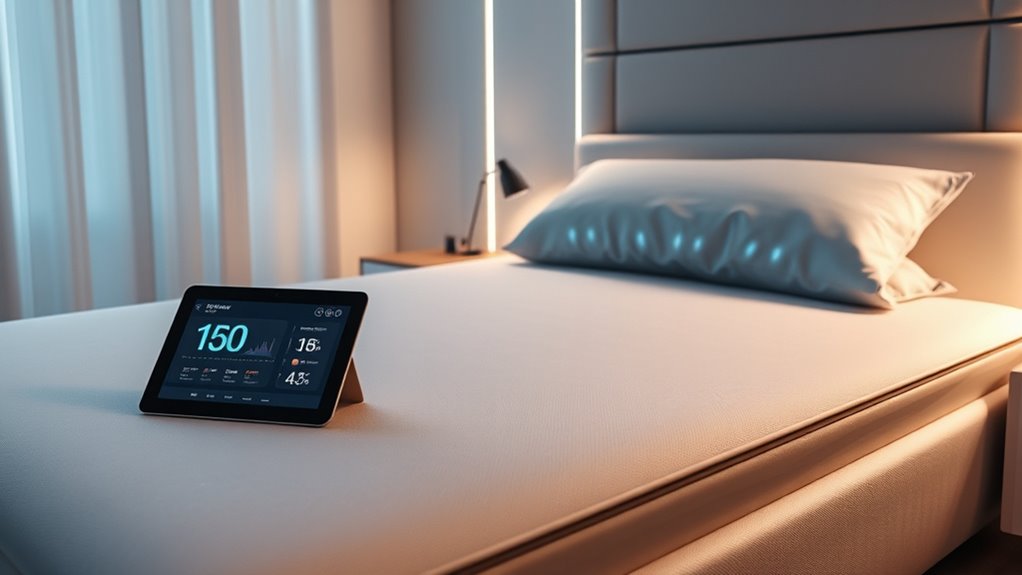
Smart beds leverage advanced technology to enhance your sleep experience. They adapt to your body’s movements, adjusting firmness and support to improve bed comfort throughout the night. Sensors monitor your sleep environment, tracking temperature, humidity, and even heart rate, to create ideal conditions. This data can be used to optimize your sleep quality and help you develop better sleep habits. Additionally, some models incorporate leasing options for flexible ownership or upgrading, making them more accessible to a wider range of consumers. This technology ensures that your bed responds in real-time, helping you maintain a consistent, comfortable sleep environment. Some models feature automated adjustments, like raising or lowering head positions or altering firmness levels, all controlled through intuitive apps or voice commands. By integrating these innovations, smart beds aim to provide a more personalized sleep experience, reducing discomfort and disturbances. The combination of advanced sensors and responsive features makes smart beds a cutting‑edge solution for those seeking better sleep quality, especially when combined with home automation systems that can adjust lighting and temperature for optimal sleep conditions.
How Smart Mattresses Claim to Improve Sleep Quality

Smart mattresses claim to improve your sleep by monitoring your sleep patterns and providing real-time feedback. They can automatically adjust comfort levels to suit your preferences, ensuring you stay comfortable all night. Additionally, they analyze your sleep data to help you identify habits that may be affecting your rest. Incorporating auditory processing techniques can further enhance sleep quality by addressing underlying sensory sensitivities. Understanding sleep science can help you make more informed choices about whether these high-tech options are right for you. Employing load‑planning tools can assist in selecting the right features and ensuring your sleep environment remains optimized, especially when considering the benefits of Free Floating mattress designs. Leveraging smart automation can also streamline adjustments and create a more personalized sleep experience.
Sleep Monitoring Capabilities
Many high-tech mattresses now come equipped with sleep monitoring capabilities that track your movements, heart rate, and breathing patterns throughout the night. These features aim to give you detailed insights into your sleep quality, helping you identify disruptions and improve your sleep environment. By analyzing data, smart beds can suggest adjustments to optimize comfort and reduce disturbances. As you focus on bedroom aesthetics, these mattresses often integrate seamlessly with your decor, making the technology less intrusive. The goal is to create a sleep space that promotes better rest without sacrificing style. While these monitoring tools offer valuable feedback, it’s important to remember they’re just one piece of the puzzle in achieving a healthier, more restful sleep.
Personalized Comfort Adjustments
Because sleep quality is highly individualized, smart mattresses claim to enhance your rest by automatically adjusting firmness, support, and temperature based on real-time data. These adjustments can improve comfort and even influence your bedroom aesthetics by maintaining a sleek look. Here’s how they do it:
- Tailor firmness levels to your preferred sleep position, whether side, back, or stomach.
- Adjust support zones to reduce pressure points and prevent tossing.
- Modify temperature settings to keep you cool or warm throughout the night.
- Change mattress material firmness and feel without needing a new bed, ensuring your comfort stays consistent.
- They often incorporate personalized comfort adjustments that adapt to your changing sleep needs over time. These adjustments are typically guided by sensor technology that monitors your sleep patterns and body movements to optimize your rest, leveraging adaptive algorithms to refine comfort settings continuously. Additionally, some models utilize real-time feedback to make immediate adjustments, further enhancing sleep quality. Advanced data analytics can also help identify patterns and suggest personalized improvements for your sleep environment.
These features help personalize your sleep experience, making it easier to achieve restful nights and a visually appealing, cohesive bedroom environment.
Sleep Pattern Analysis
By continuously monitoring your sleep patterns through embedded sensors, smart mattresses gather detailed data on your sleep cycles, movements, and breathing. This information helps identify disruptions and track overall sleep quality. The data is analyzed to provide insights that can improve your sleep habits. Many smart beds sync with apps, offering personalized suggestions tailored to your sleep patterns. They also consider bedroom aesthetics, ensuring the mattress complements your decor while enhancing comfort. The choice of mattress material plays a role in sleep analysis, as different materials influence temperature regulation and pressure points. Additionally, sensor quality significantly impacts the accuracy of the sleep data collected. The data analysis algorithms used to interpret this information are crucial for delivering reliable recommendations. The effectiveness of these insights depends on both sensor accuracy and how well the algorithms process the data. Accurate data collection is essential for meaningful insights, as poor sensor performance can lead to misleading conclusions. In addition, advanced sensor technology can help capture more precise sleep metrics, improving overall data reliability. By understanding your unique sleep behavior, smart mattresses aim to optimize your rest, but the accuracy of these insights depends on sensor quality and data interpretation. Ultimately, sleep pattern analysis endeavors to deliver better sleep, whether or not it always meets expectations.
Evaluating the Accuracy of Sleep Tracking Features
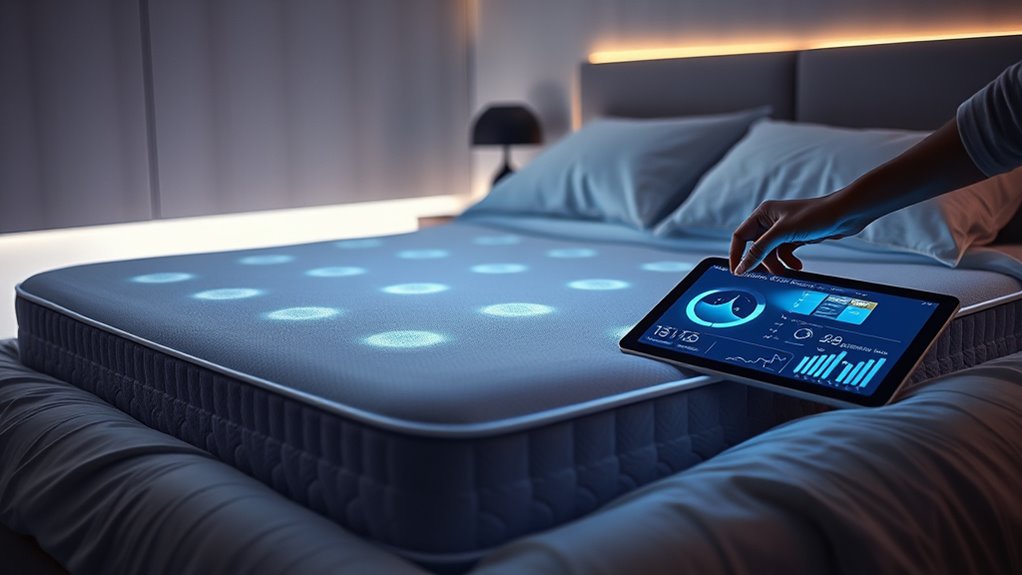
Evaluating the accuracy of sleep tracking features is essential when choosing a high-tech mattress. You want reliable data to improve your sleep quality. To assess this, consider:
- How well the sensors detect movement and restlessness, influenced by your sleep environment.
- The consistency of heart rate and breathing rate measurements, which depend on mattress materials and sensor placement.
- The device’s ability to distinguish between light and deep sleep stages accurately.
- Whether the data aligns with traditional sleep studies or clinical devices.
Keep in mind that a noisy sleep environment or mattress materials that don’t support sensor contact can skew results. Accurate tracking hinges on both the technology and your sleep setup. Additionally, sensor effectiveness plays a crucial role in ensuring the data collected remains trustworthy and meaningful. Proper sensor contact and minimizing environmental interference are vital for trustworthy measurements, as sensor calibration can also impact measurement precision.
The Cost-Benefit Analysis of Investing in High-Tech Sleep Solutions

Investing in high-tech sleep solutions can seem costly upfront, but weighing the potential benefits against the expenses helps determine if they’re worth it. Improved sleep hygiene is a key benefit, as smart beds often include features like sleep tracking and personalized recommendations, promoting better habits. When considering costs, look at mattress materials—advanced foams, gels, or hybrid designs—often justify higher prices through durability and comfort. While these mattresses may seem expensive, they can reduce long-term health costs by supporting better rest and preventing issues related to poor sleep. However, it is crucial to evaluate if the added features genuinely enhance your sleep quality or if they’re just marketing hype. Ultimately, a thorough cost-benefit analysis helps you decide if the investment aligns with your sleep goals and budget.
Common Limitations and Potential Drawbacks of Smart Beds

Are smart beds truly as beneficial as they seem, or do they come with notable limitations? You might face some challenges with these high-tech solutions. First, privacy concerns are significant, as your sleep data could be vulnerable to hacking or misuse. Second, maintenance challenges arise, with devices needing regular updates and troubleshooting. Third, you could experience technical failures or connectivity issues that disrupt functionality. Fourth, the high cost of repairs or replacements can add up over time. Additionally, some users find that the sensors and automation don’t always deliver consistent results. While smart beds offer innovative features, these drawbacks highlight that they’re not perfect and may not suit everyone’s needs. Always weigh these limitations before investing.
Consumer Experiences and Satisfaction Levels

Many consumers find that their experiences with smart beds are quite varied, reflecting both the technology’s promise and its limitations. Some appreciate how the advanced features, like sleep tracking and adjustable firmness, enhance their overall sleep quality. They also note that the sleek design and customizable bedroom aesthetics make these beds a stylish addition to their rooms. However, others feel disappointed if the mattress material doesn’t meet expectations or if the smart features malfunction. Satisfaction often depends on how well the smart bed integrates into their existing bedroom setup and whether it aligns with personal preferences for comfort and design. While some users report improved sleep, others find the high price doesn’t justify the benefits, leading to mixed overall satisfaction levels.
Making an Informed Decision: Are They Worth It?
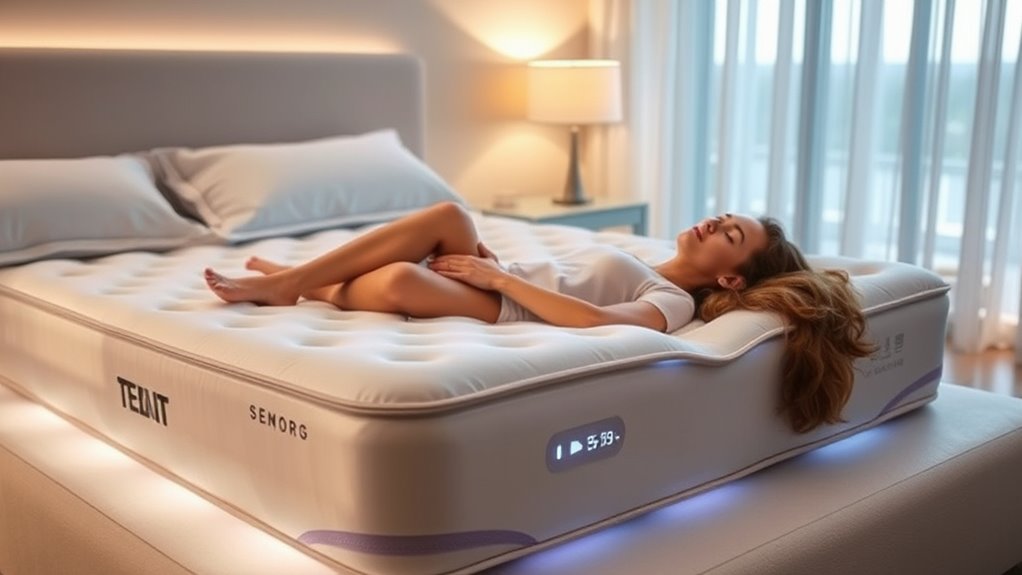
You need to contemplate whether the benefits of high-tech mattresses justify their higher cost. Think about how reliable the technology is and if it will hold up over time. Ultimately, weigh the long-term value against the initial investment to decide if they’re worth it for you.
Cost vs. Benefits
While high-tech mattresses often come with a higher price tag, weighing their benefits against the costs is essential for making an informed choice. Conducting a thorough cost comparison helps address your affordability concerns. Consider these factors:
- Initial investment versus long-term savings on sleep-related health issues
- Features offered and whether they justify the price difference
- Potential energy costs of smart features
- Resale value or durability over time
Although smart beds can improve sleep quality, the added expense might not be justified for everyone. You need to decide if the benefits, like personalized comfort and health tracking, outweigh the price premium. By evaluating these aspects carefully, you’ll better understand if a high-tech mattress is a worthwhile investment for your sleep needs.
Technology Reliability
Before investing in a high-tech mattress, it’s essential to take into account the reliability of its technology. You want hardware durability that can withstand nightly use without breaking down. Software updates are equally important—they improve functionality and fix bugs, ensuring your mattress stays current. If a mattress lacks consistent updates or has fragile hardware, you might face frequent malfunctions or costly repairs. To assess reliability, review product warranties and customer feedback. A well-designed smart bed should offer sturdy hardware and regular software updates to keep features running smoothly over time. Here’s a quick overview:
| Aspect | What to Look For |
|---|---|
| Hardware Durability | Strong, resilient build for nightly use |
| Software Updates | Regular updates that improve and secure features |
| Reliability Track | Consistent performance without frequent glitches |
| Customer Feedback | Positive reviews on hardware and software stability |
| Warranty & Support | Good warranty and responsive customer service |
Long-term Value
Evaluating the long-term worth of a high-tech mattress involves weighing its upfront cost against the benefits it offers over time. First, consider durability—quality mattress materials like memory foam or hybrid setups can last years, saving you money. Second, think about bedroom aesthetics; a sleek, modern design can enhance your space and motivate better sleep habits. Third, assess ongoing maintenance needs; some smart beds require updates or repairs that could add to costs. Fourth, reflect on sleep quality improvements; if the tech consistently boosts rest, it justifies the investment. Ultimately, a smart bed’s longevity and ability to blend with your bedroom decor determine if it’s a wise, lasting choice. Prioritize mattress material and aesthetics to maximize long-term value.
Frequently Asked Questions
Do Smart Beds Really Reduce Sleep Disruptions or Just Track Them?
Smart beds can help reduce sleep disruptions by adjusting firmness, temperature, or support based on your needs, therefore improving sleep quality. They also track your sleep patterns, but the accuracy of their data varies. While some features genuinely enhance your rest, others mainly provide data, which may not directly lead to better sleep. You need to evaluate if the data accuracy and adaptive features truly benefit your sleep quality.
How Long Do Smart Mattresses Typically Last Before Needing Replacement?
Smart mattresses typically last about 7 to 10 years, depending on their durability lifespan and usage. You should follow the recommended replacement schedule to guarantee maximum comfort and functionality. Regularly check for signs of wear, like sagging or tech malfunctions, so you know when it’s time for a replacement. Proper maintenance can extend their lifespan, but eventually, upgrading ensures you continue enjoying the benefits of smart sleep technology.
Are There Health Risks Associated With the Sensors in Smart Beds?
You might worry about health risks from smart bed sensors, but serious concerns are infrequent. Sensor malfunctions could lead to inaccurate data, and data security is essential to safeguard your privacy. Manufacturers typically implement safeguards, but it’s wise to review privacy policies and stay informed. Overall, these sensors pose minimal health risks, though being cautious about data security helps ensure your personal information stays protected.
Can Smart Mattresses Be Customized for Individual Sleep Preferences?
Like a tailored suit, smart mattresses can be customized to fit your individual sleep preferences. You can adjust firmness, temperature, and support settings to achieve personalized comfort. This customization promotes sleep optimization, helping you wake up refreshed. With smart beds, you’re in control of your sleep environment, ensuring it’s perfectly suited to your needs. So yes, these mattresses can adapt to you, making every night a bespoke sleep experience.
Do Smart Beds Require Professional Installation or Setup Assistance?
Smart beds usually don’t require professional installation, but setup concerns can vary. You’ll typically find that setup requirements involve connecting the bed to Wi-Fi, downloading an app, and following straightforward instructions. While some models might have more complex features, most users find setup simple enough to do on their own. However, if your smart bed has advanced features or integration needs, consulting the manufacturer’s guidance can guarantee smooth installation and peak performance.
Conclusion
Ultimately, investing in a smart bed depends on your priorities. While they promise better sleep through advanced tech, remember, not all that glitters is gold—sometimes, it’s just costly. Weigh the benefits against the price and potential limitations. As the saying goes, “You get what you pay for,” so make sure it aligns with your needs. Do your research, and choose wisely—your sleep and wallet will thank you.