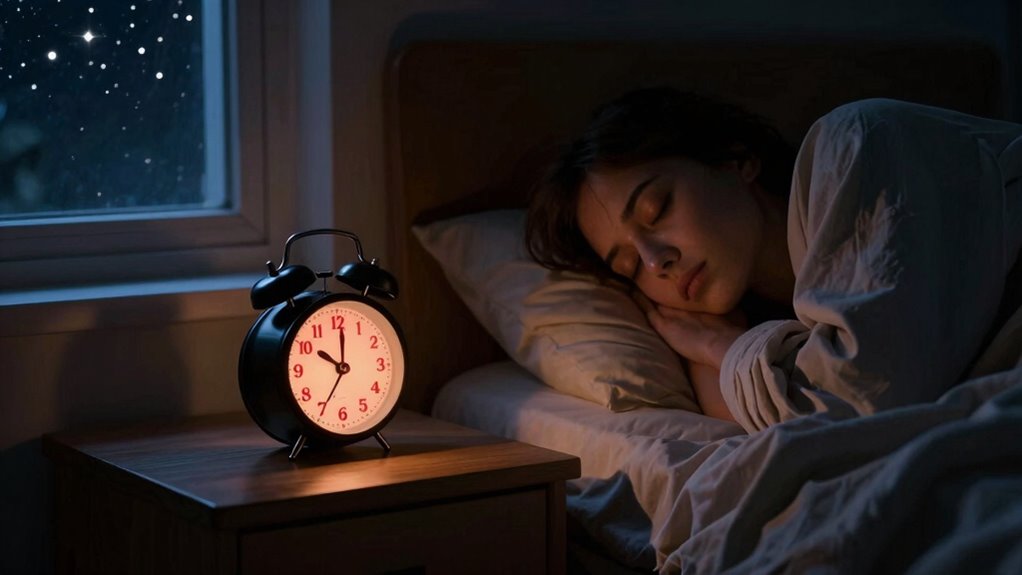

Your night wakings often signal emotional stress or unresolved issues that your subconscious is trying to highlight. Waking at specific times, like around 3 a.m., can reflect feelings like grief or anxiety, while recurring patterns may point to ongoing worries. Creating calming routines and paying attention to these signals can help you address underlying emotions. If you stay open to understanding these messages, you’ll uncover more insights into what your sleep patterns are really telling you.

Get health and wellness essentials delivered free — and shop member deals
- Fast, free delivery on millions of items
- Access to Prime Big Deal Days deals on October 6–7
- Prime Video, Amazon Music and more included
Key Takeaways
- Night awakenings often signal emotional stress or unresolved issues needing attention.
- Consistent waking at specific times may indicate underlying emotional or mental health concerns.
- External environmental factors, including biodiversity and surroundings, influence sleep quality and disruptions.
- Recognizing emotional signals during wakefulness can guide personal or therapeutic interventions.
- Creating calming routines and addressing feelings like anxiety can reduce night wakings and improve sleep.

If you find yourself waking up in the middle of the night more often than you’d like, it’s easy to dismiss these interruptions as mere inconveniences. But these awakenings might be messages your body and mind are trying to send you. Your sleep cycle, which includes several stages, naturally causes brief awakenings, especially during lighter sleep phases. However, if you notice yourself waking multiple times or staying awake longer than usual, it could be a sign that something deeper is going on. These interruptions are often tied to emotional signals, alerting you to stress, anxiety, or unresolved feelings that need attention.
Waking frequently at night may signal underlying emotional stress needing your attention.
When you wake up during the night, it’s not just about physical rest. Your subconscious might be trying to tell you that something’s bothering you emotionally. For example, if you’re experiencing ongoing worry or fear, your mind can become hyper-alert during the night, causing you to wake up. These emotional signals don’t necessarily scream for immediate action but serve as gentle prompts that your mental health needs some care. Sometimes, your body’s response to emotional stress manifests physically, disturbing your sleep cycle and leading to those frustrating night wakings.
Pay attention to the timing of your awakenings. If you tend to wake up at the same time each night, it could be linked to specific emotional triggers or unresolved issues. For instance, waking around 3 a.m. might correlate with feelings of grief or sadness, while waking at other times might relate to different emotional states. Recognizing these patterns can help you understand what your subconscious is trying to communicate. It’s not just about fixing sleep hygiene; it’s about addressing the emotional signals that influence your sleep cycle. Additionally, sleep architecture can be affected by external factors, which may contribute to disruptions in your sleep pattern. Factors like biodiversity and environmental influences also play a role in overall sleep quality, highlighting the importance of a holistic approach. Furthermore, understanding the impact of external environmental factors can help you create a more conducive sleep environment and improve your overall rest.
You can start to decode these signals by taking note of what you’re feeling during these wakeful moments. Are you anxious? Overwhelmed? Lonely? Acknowledging these feelings can be the first step toward resolving underlying stressors. Creating a calming bedtime routine, practicing mindfulness, or journaling before bed can help reduce emotional burdens that interfere with sleep. If emotional signals persist, seeking support from a mental health professional can provide deeper insights and coping strategies. Furthermore, understanding how your sleep cycle is affected by biodiversity and environmental factors can offer a holistic approach to improving your sleep quality. Recognizing the influence of these external elements can empower you to make adjustments that foster better rest.
Ultimately, your night wakings are not random. They’re cues that your emotional well-being might need attention, and understanding this connection can lead to better sleep and improved overall health. Listening to what your body and mind are trying to tell you is a vital step toward restful nights and a more balanced life.
As an affiliate, we earn on qualifying purchases.
Frequently Asked Questions
Can Stress Cause Frequent Night Awakenings?
Yes, stress can cause frequent night awakenings. When you’re stressed, your body releases stress hormones like cortisol, which disrupts your sleep cycle. You may experience stress symptoms such as racing thoughts or anxiety, making it hard to stay asleep. Improving your sleep hygiene—like maintaining a consistent bedtime, avoiding screens before sleep, and practicing relaxation techniques—helps reduce stress and promotes better, uninterrupted rest.
How Does Diet Affect Nighttime Sleep Interruptions?
Think of your diet as the architect of your sleep; it shapes your nights profoundly. Poor sleep hygiene, like consuming heavy evening snacks or caffeine late, can lead to frequent awakenings. Eating light and mindfully in the evening helps stabilize your sleep, preventing interruptions. By choosing wholesome foods and avoiding stimulants, you create a peaceful foundation for uninterrupted rest, allowing your body to naturally stay asleep through the night.
Are Night Wakings Different for Children and Adults?
Night wakings differ for children and adults. Children’s sleep patterns naturally include more frequent awakenings, especially during shifts between sleep stages, which are part of healthy development. Adults, however, experience wakefulness mainly due to disruptions in their sleep cycles or external factors like stress or environment. Understanding these differences helps you recognize whether your wakefulness is typical or signals a deeper issue, guiding better sleep habits for both children and adults.
What Role Do Sleep Disorders Play in Waking up at Night?
Sleep disorders, like restless leg syndrome, often cause night wakings. Research shows these conditions disrupt your sleep cycle, making it hard to stay asleep. Restless leg syndrome creates uncomfortable sensations that prompt you to move, waking you up frequently. If you notice persistent awakenings, a sleep disorder might be the culprit. Addressing these issues with a healthcare professional can help restore restful sleep and reduce night wakings.
How Can I Improve Sleep Quality Despite Frequent Awakenings?
To improve sleep quality despite frequent awakenings, focus on optimizing your sleep environment—keep it cool, dark, and quiet. Incorporate dream analysis to understand recurring themes that might signal underlying issues. Establish a calming bedtime routine, avoid screens before bed, and limit caffeine. If awakenings persist, consider journaling your dreams and feelings, which can help identify stressors, leading to better sleep and fewer disruptions.
sleep environment improvement kit
As an affiliate, we earn on qualifying purchases.
As an affiliate, we earn on qualifying purchases.
Conclusion
Your night wakings are like whispers from your subconscious, gently beckoning you to listen deeper. They’re not just interruptions but signals—a lighthouse guiding you through the fog of stress, imbalance, or unspoken fears. Embrace these moments as sacred messages from within, urging you to nurture, heal, and reconnect with yourself. When you tune into their meaning, you turn restless nights into a symphony of self-awareness, illuminating the path to peace and true rest.
As an affiliate, we earn on qualifying purchases.
emotional stress relief products for sleep
As an affiliate, we earn on qualifying purchases.
As an affiliate, we earn on qualifying purchases.
Evergreen bestsellers Picks
bestsellers
As an affiliate, we earn on qualifying purchases.