Sleeping with the TV on isn’t ideal because it can disrupt your sleep cycles and keep your brain in lighter, less restful states. TV sounds can interfere with deep sleep, reduce REM sleep, and cause frequent awakenings, leaving you tired. Background noise like white noise can help mask disruptive sounds without the negative effects. If you want to improve your sleep quality, understanding how TV impacts your brain and sleep is important—keep going to learn more.
Key Takeaways
- Sleeping with the TV on can disrupt sleep cycles by increasing brainwave activity, leading to lighter, less restorative sleep.
- Background TV noise may cause frequent awakenings and prevent reaching deep sleep stages.
- Bright screens and loud sounds interfere with melatonin production and circadian rhythms.
- Consistent TV noise can impair sleep quality, reducing dream vividness and overall restfulness.
- Opting for calming sounds or a quiet environment promotes healthier, more restorative sleep.
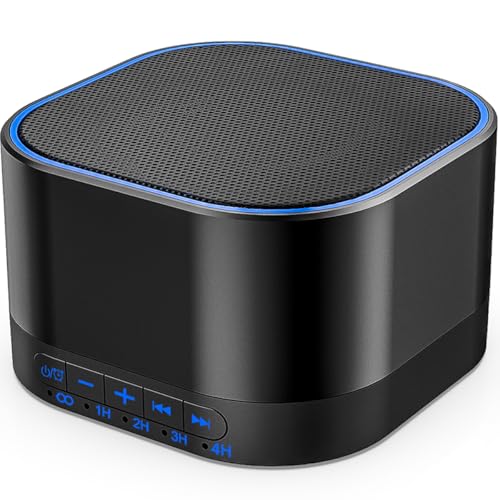
Magicteam Sound White Noise Machine with 20 Non Looping Natural Soothing Sounds and Memory Function 32 Levels of Volume Powered by AC or USB and Sleep Sound Timer Therapy for Baby Kids Adults
- 20 Non-Looping Soothing Sounds: Includes white, brown, pink, blue noise, and nature sounds
- Adjustable Volume & Timer: 32 volume levels and multiple timer options
- Portable & Compact Design: Small size for home, office, or travel use
As an affiliate, we earn on qualifying purchases.
As an affiliate, we earn on qualifying purchases.
The Impact of Background Noise on Sleep Quality

Background noise can profoundly affect how well you sleep, even if you don’t consciously notice it. It shapes your sleep environment, influencing both sleep quality and dream enhancement. Steady, gentle sounds can mask disruptive noises, helping you fall asleep faster and stay asleep longer. This creates a more consistent sleep environment, reducing awakenings caused by sudden sounds. However, loud or irregular background noise can fragment your sleep and hinder your ability to reach REM stages, where dreams occur. If your goal is dream enhancement, maintaining a calming noise level may boost the frequency and vividness of dreams. Additionally, sound masking techniques can be used intentionally to optimize sleep quality and create a more peaceful environment. Understanding how background noise impacts your sleep environment allows you to better tailor your surroundings for restorative sleep, and knowing the types of noises that are most beneficial can help you develop effective strategies. Incorporating knowledge about ambient sound levels can further enhance your ability to select the ideal background sounds for restful nights.

White Noise: Sound Masking, Sleeping Aid, Tinnitus Relief
As an affiliate, we earn on qualifying purchases.
As an affiliate, we earn on qualifying purchases.
How Television Sound Affects Your Brain During Rest
When the TV is on while you sleep, the sounds can change your brain’s wave patterns, making it harder to reach deep, restorative stages of sleep. These noises can also throw off your natural sleep cycle, causing you to wake more often or feel less rested. Understanding how television sound impacts your brain can help you decide if keeping it on is disrupting your rest. Additionally, exposure to background noise like TV sounds may interfere with the brain’s ability to produce the sleep-promoting hormones, further impairing your sleep quality. Research indicates that consistent exposure to such noise can disrupt circadian rhythms, affecting overall sleep health. Recognizing the effects of background noise on sleep can guide you toward creating a more restful environment. It is also important to consider that sound frequency may have varying impacts on sleep quality depending on the volume and type of noise.
Brainwave Activity Shift
Listening to television sounds as you drift into sleep can considerably influence your brainwave activity. When you hear consistent background noise, your brain continues to engage in auditory processing, which prevents your waves from slowing down into deeper sleep stages. Instead, your brain remains in a lighter state of consciousness, with increased beta and alpha wave activity. This changeover in brainwave activity can make it harder for you to reach restorative sleep phases, leading to fragmented rest. Your brain remains semi-alert, constantly analyzing sounds from the TV even as you try to relax. As a result, the transition from wakefulness to sleep becomes less smooth, impacting overall sleep quality. Understanding how auditory processing affects brainwave activity helps clarify why background noise can interfere with restful sleep. Additionally, Free Floating concepts suggest that sound environments play a significant role in sleep health and quality. It is important to consider how ambient noise levels influence your sleep cycles and overall well-being. Furthermore, research indicates that consistent background noise can cause your brain to stay in a heightened state of alertness, making uninterrupted rest more difficult to achieve. Incorporating sound management strategies may help improve sleep quality for those sensitive to noise disturbances.
Sleep Cycle Disruption
Television sounds can markedly disrupt your sleep cycle by preventing your brain from progressing into deeper, restorative stages of sleep. When your brain remains alert due to background noise, your sleep depth diminishes, making it harder to achieve quality rest. This interruption affects dream recall, often reducing the vividness and frequency of dreams, which are tied to REM sleep. Over time, this can lead to lighter sleep and increased fatigue. To understand how sound impacts your sleep, consider the following:
| Sound Level | Effect on Sleep | Impact on Dream Recall |
|---|---|---|
| Low | Minimal | Slight decrease |
| Moderate | Fragmented | Reduced |
| Loud | Sleep disturbance | Significantly reduced |
Consistently disrupted sleep hampers your ability to reach the deep stages necessary for restorative rest.
Magicteam Sound White Noise Machine with 20 Non Looping Natural Soothing Sounds and Memory Function 32 Levels of Volume Powered by AC or USB and Sleep Sound Timer Therapy for Baby Kids Adults
- 20 Non-Looping Soothing Sounds: Includes white, brown, pink, blue noise, and nature sounds
- Adjustable Volume & Timer: 32 volume levels and multiple timer options
- Portable & Compact Design: Small size for home, office, or travel use
As an affiliate, we earn on qualifying purchases.
As an affiliate, we earn on qualifying purchases.
The Science Behind Noise and Sleep Cycles
When noise interrupts your sleep, it can keep your brain more active than it should be, making it harder to rest fully. Loud or unpredictable sounds disturb your natural sleep cycles, leading to more fragmented sleep. Understanding how noise affects your brain and sleep patterns can help you make better choices for restful nights. Additionally, background noise can influence your overall sleep quality and well-being, especially when it disrupts the sleep architecture that is essential for restorative sleep. Certain types of noise, such as white noise, may help mask disruptive sounds and promote more consistent sleep patterns. Research shows that noise regulation plays a crucial role in maintaining healthy sleep cycles and minimizing sleep disturbances. Moreover, using specific sound therapies, like consistent ambient noise, can help reinforce your sleep environment and support better sleep continuity.
Noise and Brain Activity
Although noise might seem harmless, it actually plays a significant role in influencing your brain’s activity during sleep. Noise affects neural synchronization, which is how your brain’s neurons coordinate during different sleep stages. When background noise is present, your brain continues to process auditory information through auditory processing pathways, even as you sleep. This ongoing input can interfere with the brain’s ability to fully synchronize neurons, potentially disrupting sleep quality. The brain remains somewhat alert to sounds, making it harder to reach deeper, restorative sleep stages. Understanding how noise impacts neural synchronization and auditory processing helps explain why some background sounds can fragment sleep or cause lighter sleep, making it essential to contemplate noise levels when aiming for restful, uninterrupted sleep. Additionally, exposure to consistent background noise can influence sleep architecture, leading to less time spent in deep sleep phases. Recognizing the impact of noise on neural activity is crucial for improving sleep hygiene and ensuring restorative rest. Moreover, research shows that the neural response to sounds varies depending on the type and predictability of background noise, further influencing sleep quality. For example, certain sound characteristics such as unpredictability and sudden changes can cause more arousal, disrupting sleep cycles. Considering noise characteristics such as volume and predictability can help optimize your sleep environment for better rest.
Sleep Cycle Disruptions
Noise can directly interfere with your sleep cycles by causing frequent awakenings and preventing your brain from progressing smoothly through restorative sleep stages. When your sleep is fragmented, it hampers the natural rhythm, making it harder to reach deep sleep or REM stages essential for memory and mood. Background noise, like the TV on, can also disrupt dream interpretation, which occurs during REM sleep, lowering its quality. Poor sleep hygiene caused by constant noise increases the likelihood of waking up feeling unrefreshed. Additionally, sleep environment quality plays a crucial role in maintaining healthy sleep patterns. Over time, these disruptions can lead to chronic sleep issues and affect overall health. To protect your sleep cycle, aim for a quiet, consistent sleep environment that fosters uninterrupted rest and supports healthy sleep patterns.
Magicteam Sound White Noise Machine with 20 Non Looping Natural Soothing Sounds and Memory Function 32 Levels of Volume Powered by AC or USB and Sleep Sound Timer Therapy for Baby Kids Adults
- 20 Non-Looping Soothing Sounds: Includes white, brown, pink, blue noise, and nature sounds
- Adjustable Volume & Timer: 32 volume levels and multiple timer options
- Portable & Compact Design: Small size for home, office, or travel use
As an affiliate, we earn on qualifying purchases.
As an affiliate, we earn on qualifying purchases.
Potential Benefits of White Noise Versus TV Sound

White noise often provides a consistent, soothing background sound that can help block out sudden or disruptive noises, making it easier for you to fall asleep and stay asleep. Unlike TV sound, which can be unpredictable and attention-grabbing, white noise offers effective sound masking, reducing the impact of environmental disturbances. This steady, uniform sound can create a calming environment that promotes relaxation and minimizes the brain’s need to respond to sudden noises. White noise’s ability to mask background sounds can help you achieve deeper, more restful sleep. In contrast, TV sound, with its variable volume and content, might draw your attention or stimulate your brain, making it harder to relax fully. Overall, white noise’s consistency makes it a beneficial sleep aid.
Common Disruptions Caused by Television While Sleeping

While white noise can help create a peaceful sleep environment, having the TV on during the night often introduces several disruptions. Excessive TV volume can wake you during quieter moments, making it harder to reach deep sleep. Bright screen brightness may strain your eyes or cause your brain to stay alert, disrupting your sleep cycle. Additionally, rapid scene changes or loud sounds can startle you awake. The flickering light from the screen can interfere with melatonin production, affecting your sleep quality. Ultimately, the constant background noise can prevent you from reaching restorative sleep stages. These disruptions can leave you feeling tired and unrested, emphasizing why managing TV settings and considering other noise sources might be better for your sleep health.
Tips for Creating a Sleep-Friendly Environment

Creating a sleep-friendly environment starts with controlling your bedroom conditions to promote restfulness. Good sleep hygiene involves maintaining a consistent sleep schedule, keeping your room dark, and minimizing noise. Focus on creating a calming bedroom ambiance by using soft lighting and comfortable bedding. Keep electronic devices, including the TV, out of reach or turned off to reduce distractions. Adjust the temperature to a cool, comfortable level to enhance sleep quality. Declutter your space to foster a sense of calm and relaxation. Consider adding soothing elements like blackout curtains or a white noise machine if background noise is unavoidable. These steps help set the stage for restful sleep, making your environment conducive to relaxation and uninterrupted rest.
Alternatives to Watching TV for Falling Asleep
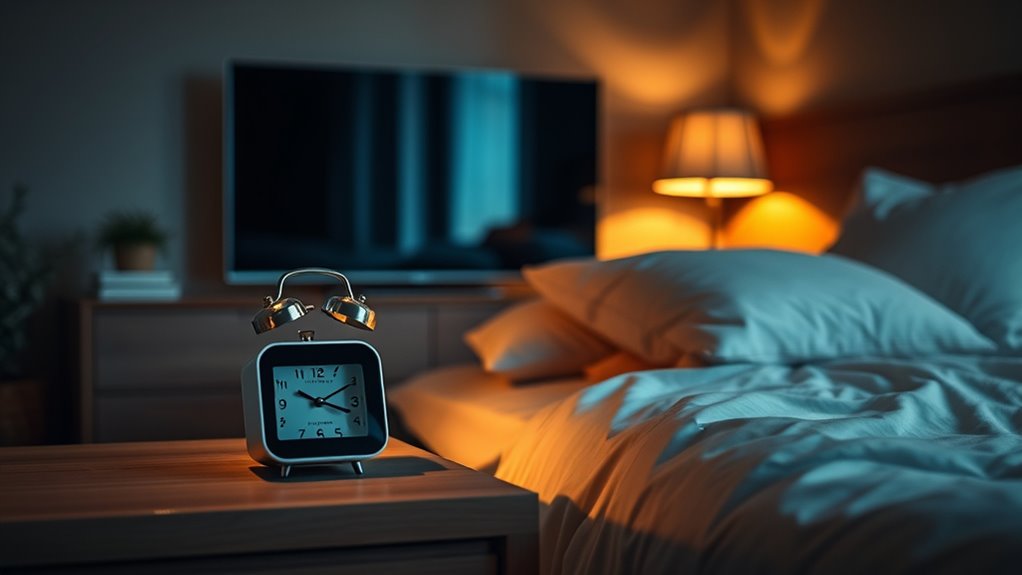
If falling asleep after watching TV feels challenging, there are effective alternatives that can help you relax and drift off more easily. You might consider trying music therapy, which involves listening to calming tunes or nature sounds that promote relaxation. Aromatherapy with essential oils like lavender or chamomile can create a soothing environment, easing your mind and body. Other options include guided meditation or deep breathing exercises to reduce stress. You could also explore white noise machines or gentle ambient sounds that provide a consistent background. Finally, establishing a calming bedtime routine, such as reading a book or practicing mindfulness, helps signal to your body that it’s time to sleep. These alternatives can enhance your sleep quality without relying on television.
Making Informed Choices for Better Rest

Making informed choices about your sleep habits empowers you to improve your rest and overall well-being. To do that, consider how background noise, like the TV, affects your sleep duration and dream recall. If you notice shorter sleep or less vivid dreams, it might be a sign that noise disrupts your sleep cycles. Knowing this allows you to adjust your environment for better rest, such as reducing noise or creating a consistent sleep routine. Prioritizing quality sleep helps you wake up refreshed and supports your mental and physical health. By understanding how your choices influence sleep, you can implement strategies that promote longer, more restorative sleep, making each night more effective for rejuvenation and ensuring you wake up ready to face the day.
Frequently Asked Questions
Can Background Noise Help or Hinder Sleep for Everyone?
Background noise can help or hinder your sleep depending on your noise sensitivity and sleep environment. If you’re sensitive to noise, constant or loud sounds might disrupt your rest. However, a consistent, soft background noise like white noise can create a calming sleep environment, masking disruptive sounds. Pay attention to how your body reacts and adjust your sleep environment accordingly, ensuring it promotes restful, uninterrupted sleep.
How Does TV Volume Influence Sleep Cycle Consistency?
Turning up the TV volume can cause chaos in your sleep cycle, disrupting your rest and reducing sleep quality. When the sound is too loud, it prevents effective sound masking, making you more sensitive to sudden noises, which leads to sleep disruption. Keep the volume low or off to foster a consistent sleep cycle, ensuring the soothing sounds don’t sabotage your sleep and help you drift into deep, restorative rest.
Are There Specific Types of TV Sounds Better for Sleep?
Certain TV sounds are better for sleep, especially those with soothing sound quality and gentle ambient noise. You prefer ambient noise that’s consistent and calming, like nature sounds or soft music, over loud or abrupt sounds. Opt for TV settings that enhance sound quality for relaxation. By choosing peaceful, high-quality audio, you create a comfortable environment that can help you fall asleep faster and stay asleep longer.
Does Falling Asleep With the TV on Impact Sleep Latency?
Falling asleep with the TV on can increase your sleep latency, meaning it takes longer to actually fall asleep. The TV influence, especially if it’s loud or stimulating, can disrupt your natural sleep signals and delay your shift into deeper sleep stages. If you wanna improve sleep quality, consider turning off the TV or using calming background sounds instead. This helps your brain wind down more quickly, reducing sleep latency.
What Are the Long-Term Effects of Sleeping With Background Noise?
Sure, sleeping with background noise might seem harmless, but it can lead to long-term sleep disruption, making you feel tired and irritable. Ironically, that constant hum could also harm your hearing health over time. You might think you’re just relaxing, yet you’re quietly sabotaging your sleep quality and auditory well-being. Keep in mind, sustained noise exposure isn’t just annoying; it can subtly erode your health and peace of mind.
Conclusion
Just like Rip Van Winkle drifted into peaceful slumber, you can find serenity by choosing the right environment. Turning off the TV or opting for gentle white noise helps your brain rest like a calm lake at dawn, free from disruptive ripples. Remember, your sleep is your kingdom—treat it with care. By making simple changes, you’ll wake up refreshed, ready to face the day, just like a hero emerging from a well-earned rest.