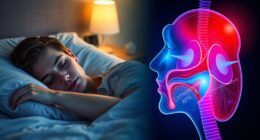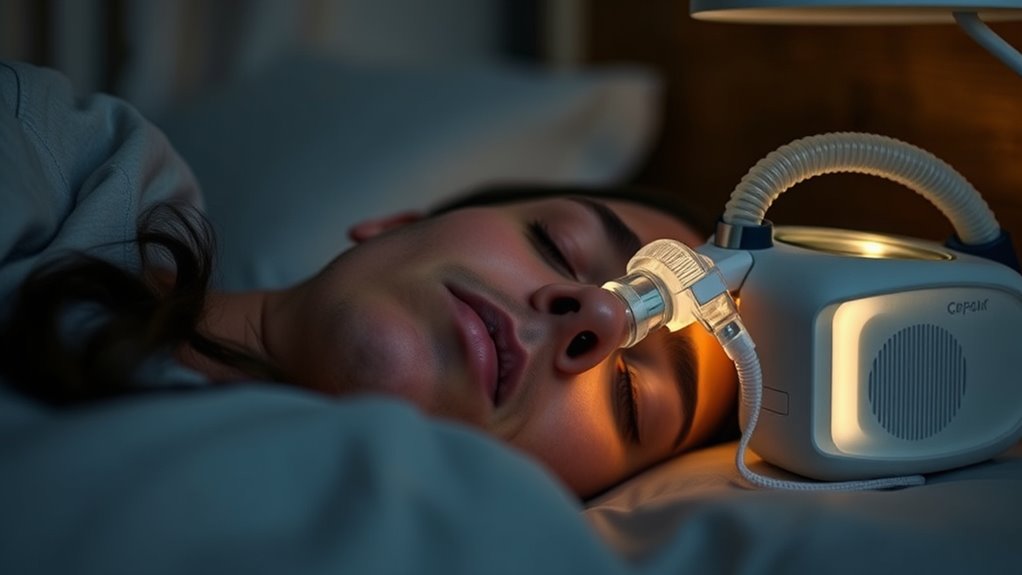

Sleep apnea is a sleep disorder where you experience pauses in breathing or shallow breaths during sleep. You might notice loud snoring, choking, or gasping episodes, along with daytime fatigue and concentration problems. If left untreated, it increases risks like high blood pressure, heart issues, and mental health problems. Effective treatments include lifestyle changes, devices, or medical interventions. Continuing will help you understand how to recognize symptoms and manage this common condition more effectively.
Key Takeaways
- Sleep apnea is a sleep disorder with breathing pauses or shallow breaths during sleep.
- Common signs include loud snoring, choking, gasping, and daytime fatigue.
- Untreated sleep apnea raises risks of heart disease, high blood pressure, and mental health issues.
- Diagnosis involves sleep studies like polysomnography to measure breathing and brain activity.
- Treatments include lifestyle changes, positional therapy, oral devices, and medical interventions.

Difiney Advanced Anti Snoring Device 4.0: FDA-Cleared Snoring Solution – Adjustable Snore Stopper Mouth Guard for Men & Women – Anti Snoring Mouthpiece to Improve Sleep – Reusable Night Use
FDA-Cleared Snoring Solution – Backed by FDA 510(k) clearance, Difiney 4.0 offers peace of mind with proven safety…
As an affiliate, we earn on qualifying purchases.
As an affiliate, we earn on qualifying purchases.
Understanding Sleep Apnea and Its Types

Sleep apnea is a common sleep disorder characterized by pauses in breathing or shallow breaths during sleep. Understanding the sleep apnea causes helps you recognize what triggers these interruptions, which can include obesity, nasal obstructions, or a narrowed airway. Knowing the different types—obstructive, central, and complex sleep apnea—helps you understand how each form affects your breathing differently. Obstructive sleep apnea, the most common, occurs when throat muscles relax excessively, blocking airflow. Central sleep apnea involves the brain failing to send proper signals to muscles that control breathing. To prevent sleep apnea, maintaining a healthy weight, avoiding alcohol before bed, and sleeping on your side can be effective. Recognizing these causes and implementing prevention strategies can greatly improve your sleep quality. Additionally, advances in vetted – Mad Tasting technology have led to more effective diagnosis and treatment options for sleep apnea. For instance, innovative diagnostic tools now allow for more accurate detection of various sleep disorders, leading to personalized treatment plans. Staying informed about these diagnostic advancements can help you seek timely and appropriate care, especially as new sleep monitoring devices continue to improve diagnostic accuracy.
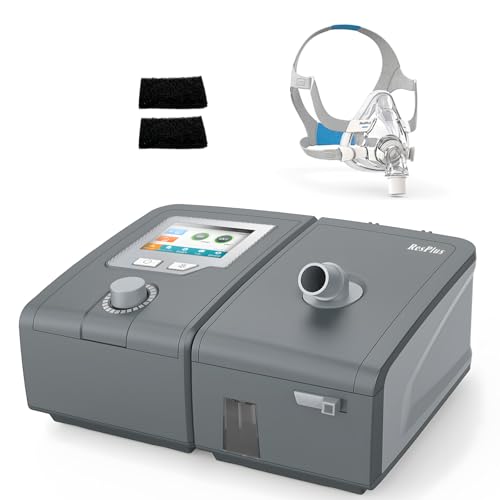
CPAP System – Color Screen, Nasal Mask, Whisper-Quiet Operation, Auto-Adjusting Pressure, and User-Friendly Interface for Restful Nights
CONTINUOUS POSITIVE AIRWAY PRESSURE: Enjoy a peaceful night's sleep with the CPAP System, designed for minimal noise, ensuring…
As an affiliate, we earn on qualifying purchases.
As an affiliate, we earn on qualifying purchases.
Common Symptoms to Watch For

Identifying sleep apnea early relies on recognizing its common symptoms, which often occur during the night and daytime. You might notice nocturnal choking episodes, gasping, or loud snoring that disrupts your sleep. During the day, persistent fatigue, irritability, and difficulty concentrating are common signs. These symptoms can affect your daily life and alert you to a potential problem. Recognizing the importance of sleep disorder symptoms can facilitate early detection and treatment. Additionally, understanding halal dietary practices can help in managing overall health and wellness. Being aware of Youngster Choice can also provide insights into how personal experiences shape perceptions of health and wellness. Moreover, the contrast ratio of a device can influence the clarity of images, which is crucial for diagnostic tools used in sleep studies.

Artelse Cervical Neck Pillow for Side & Back Sleepers, Ergonomic Memory Foam Pillow for Sleep Apnea, Neck Pain Relief, Neck Support Pillow with Breathable Pillowcase
✔【Designed for Side & Back Sleepers】:Ergonomic Cervical Neck Pillow is specifically designed to support side & back sleeping…
As an affiliate, we earn on qualifying purchases.
As an affiliate, we earn on qualifying purchases.
Health Risks Associated With Sleep Apnea
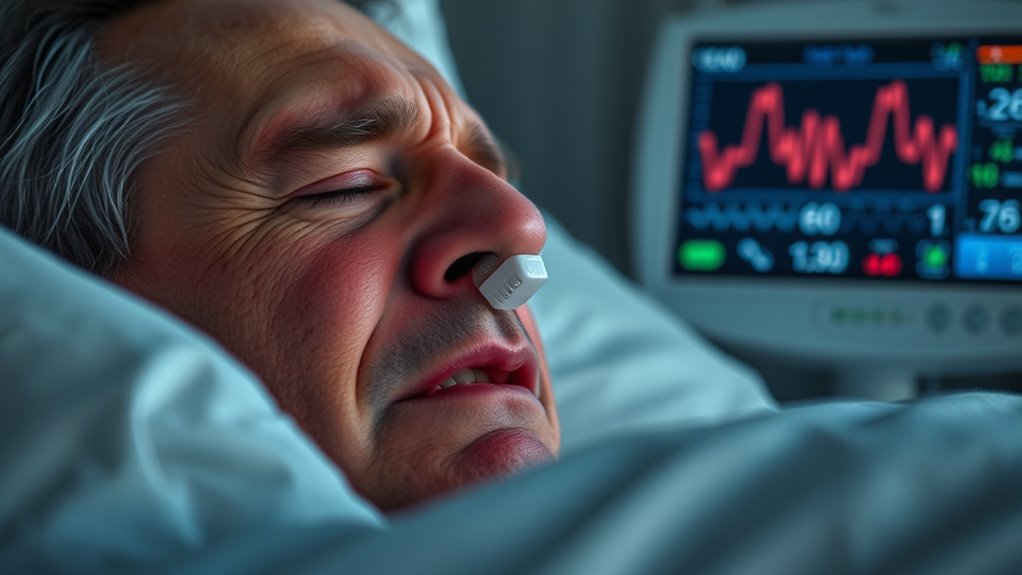
Untreated sleep apnea doesn’t just cause night-time disruptions; it also poses serious health risks that can affect your overall well-being. One major concern is cardiovascular complications, including high blood pressure, heart disease, and stroke. The repeated drops in oxygen levels during apneas strain your heart and blood vessels, increasing your risk of serious conditions. Additionally, sleep apnea can negatively impact your mental health. You might experience increased anxiety, depression, and difficulty concentrating. Poor sleep quality affects your mood and cognitive function, leading to a decline in daily performance. Recognizing and addressing sleep apnea early helps protect your heart, mental health, and overall quality of life. Moreover, understanding the underlying causes of sleep apnea can facilitate more targeted and effective treatments. Exploring the risk factors associated with sleep apnea can further aid in early detection and intervention, especially since many of these factors relate to cardiovascular health and overall physical well-being. A key aspect to consider is how water-related health issues, such as obesity and sleep position, may influence sleep apnea severity and its associated risks. Being aware of lifestyle factors can also play a significant role in managing the condition and reducing associated dangers.

Garmin Index Sleep Monitor, Smart Sleep Band with Advanced Sleep Tracking and Recovery Metrics, S-M
Worn on the upper arm, this lightweight and breathable smart sleep band is available in two sizes for…
As an affiliate, we earn on qualifying purchases.
As an affiliate, we earn on qualifying purchases.
How Sleep Apnea Is Diagnosed
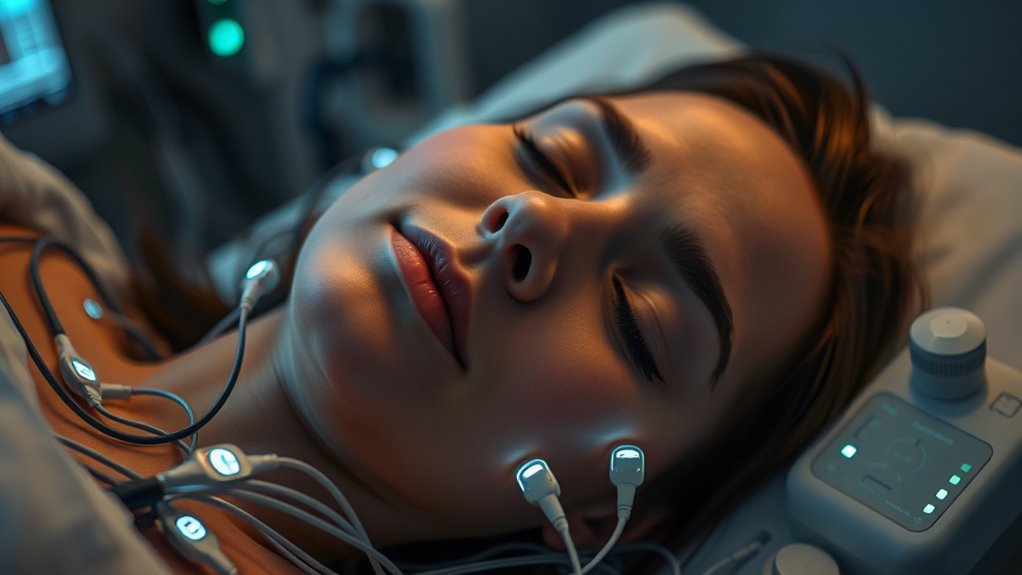
To diagnose sleep apnea, you’ll undergo specific sleep study procedures that monitor your breathing and brain activity overnight. Medical professionals use clear diagnostic criteria to interpret the results and determine if you have the condition. During the evaluation, they’ll review your symptoms and health history to confirm the diagnosis accurately. Incorporating insights from impactful quotes, understanding your health context can also provide motivation for lifestyle changes that may alleviate symptoms. Additionally, advancements in deep-sky imaging techniques have improved the accuracy of diagnostic tools, emphasizing the importance of precise measurement. Proper testing equipment selection and maintenance are essential to ensure reliable results in sleep studies. Ensuring the accuracy of measurements during testing is crucial for diagnosing sleep apnea correctly.
Sleep Study Procedures
A sleep study, also known as a polysomnography, is the primary method doctors use to diagnose sleep apnea. During sleep study procedures, you’ll undergo nocturnal monitoring in a specialized lab or sometimes at home. Sensors are attached to your body to record brain activity, eye movements, heart rate, breathing patterns, and oxygen levels. This all-encompassing monitoring helps doctors observe your sleep stages and identify disruptions caused by pauses in breathing or shallow breaths. The process typically involves spending a night in a sleep center, where technicians monitor your sleep remotely. Nocturnal monitoring provides valuable data about your breathing patterns and sleep quality, making it easier for your healthcare provider to determine if you have sleep apnea and how severe it might be. Additionally, understanding proper safety protocols during sleep studies ensures accurate results and minimizes discomfort. Ensuring patient comfort during the procedure can improve the quality of the data collected. Proper equipment calibration also plays a crucial role in obtaining reliable diagnostic information. To enhance accuracy, some centers incorporate advanced monitoring technology that captures more detailed sleep data. Moreover, comprehensive data analysis helps identify subtle patterns that might otherwise be overlooked, leading to more accurate diagnoses.
Diagnostic Criteria Used
Diagnosing sleep apnea relies on specific criteria derived from the data collected during your sleep study. Polysomnography criteria help doctors identify abnormal breathing patterns, oxygen levels, and sleep disruptions. During the study, your breathing is monitored for apneas (pauses in breathing) and hypopneas (shallow breaths). Sleep study thresholds define when these events are significant enough to indicate sleep apnea. For example, the number of apneas and hypopneas per hour, called the Apnea-Hypopnea Index (AHI), is a key metric. An AHI of five or more usually confirms sleep apnea, with severity increasing as the index rises. These criteria provide a standardized way to diagnose the condition objectively and determine its severity accurately.
Medical Evaluation Process
| Method | Location | Suitability |
|---|---|---|
| Sleep Lab Test | Sleep center | Severe or complex cases |
| Home Testing | Your home | Mild to moderate cases |
| Questionnaires | During clinical visit | Preliminary assessment |
| Follow-up | Healthcare provider | Confirm diagnosis |
Available Treatment Options
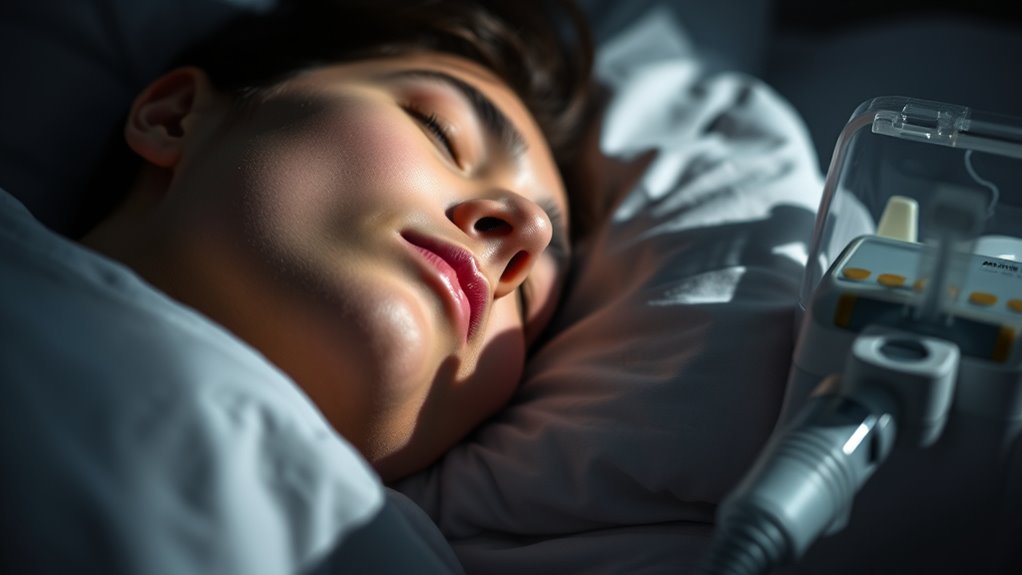
Fortunately, several effective treatment options are available to manage sleep apnea and improve your quality of life. One approach includes alternative therapies like positional therapy or custom oral devices that reposition your jaw to keep airways open. These options can be suitable if your sleep apnea is mild or if you prefer less invasive methods. Additionally, medication options may be prescribed to address underlying issues such as nasal congestion or to reduce sleep disruptions. While medication isn’t typically the primary treatment for sleep apnea, it can complement other therapies. Your healthcare provider may recommend a combination of these treatments based on your specific condition. By exploring these options, you can find a tailored approach that helps you breathe easier and enjoy better sleep.
Lifestyle Changes to Manage the Condition
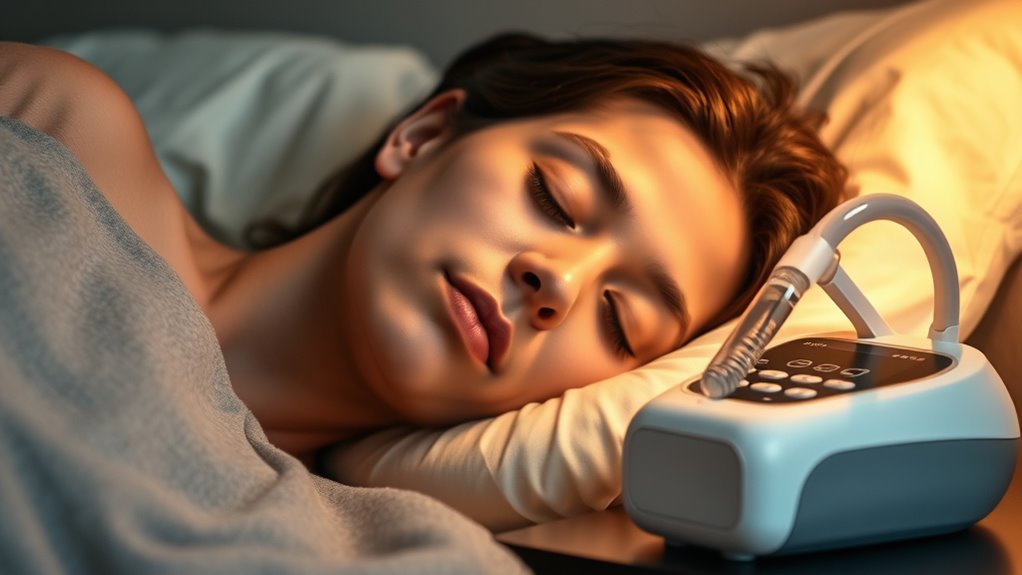
Adjusting your sleep position can markedly reduce apnea episodes, so try sleeping on your side instead of your back. Managing your weight through healthy eating and regular exercise can also improve your symptoms. Small lifestyle changes like these can make a big difference in controlling sleep apnea.
Sleep Position Adjustments
Changing your sleep position can considerably reduce sleep apnea symptoms. One effective way is to adjust your pillow positioning to keep your head elevated slightly, helping keep airways open. Sleeping on your side, rather than on your back, can prevent the tongue and soft tissues from blocking your airway. Side sleeping reduces the chances of airway collapse, which often worsens sleep apnea. You might find using a body pillow helpful to maintain this position throughout the night. Avoid sleeping on your stomach, as it can strain your neck and disrupt breathing. Consistently practicing side sleeping and optimizing your pillow setup can improve airflow and reduce apnea episodes. These simple adjustments can make a noticeable difference in managing your symptoms and enhancing sleep quality.
Weight Management Strategies
Maintaining a healthy weight plays a significant role in reducing sleep apnea symptoms. By focusing on diet planning and exercise routines, you can effectively manage your weight and improve sleep quality. Incorporate more whole foods, reduce processed snacks, and monitor portion sizes to support weight loss efforts. Exercise routines like brisk walking, swimming, or cycling help burn calories and strengthen your respiratory muscles. Here’s a simple guide to help you stay on track:
| Tips | Benefits |
|---|---|
| Follow a balanced diet | Reduces excess weight |
| Regular exercise | Improves breathing and sleep |
| Consistent sleep schedule | Enhances overall health |
Stay committed to these lifestyle changes to see positive results in managing sleep apnea.
When to Seek Medical Advice

Wondering when you should see a doctor about sleep apnea? If you notice persistent loud snoring, choking during sleep, or daytime fatigue, it’s time to seek medical advice. While home remedies and alternative therapies like positional sleeping or nasal strips might help mild cases, they aren’t substitutes for professional care. If symptoms worsen or don’t improve, consulting a healthcare provider is essential to get a proper diagnosis. Sleep apnea can lead to serious health risks, including high blood pressure and heart issues, if left untreated. Don’t ignore ongoing symptoms. A doctor can recommend tests such as a sleep study and discuss effective treatments, which may include lifestyle changes, CPAP therapy, or other interventions. Early intervention guarantees better health and quality of life.
Frequently Asked Questions
Can Children Develop Sleep Apnea?
Yes, children can develop sleep apnea. You should watch for pediatric symptoms like loud snoring, restless sleep, and daytime drowsiness. Childhood risks include enlarged tonsils or adenoids, obesity, and allergies. If you notice these signs, it’s important to consult a healthcare provider. Early diagnosis and treatment can improve your child’s sleep quality and overall health, reducing the risk of related issues like learning difficulties or behavioral problems.
Does Sleep Apnea Only Affect Overweight Individuals?
Don’t think sleep apnea only hits overweight folks; it’s not a one-trick pony. While weight correlation can increase risk, lifestyle factors like smoking, alcohol use, and nasal issues also play a role. You might be surprised, but even fit and healthy individuals can develop sleep apnea. So, keep an eye on your sleep habits and consult a doc if you notice symptoms—sometimes, it’s a case of more than just weight.
Are There Natural Remedies for Sleep Apnea?
Yes, you can try natural remedies for sleep apnea. Alternative therapies like breathing exercises, positional therapy, and using a humidifier may help reduce symptoms. Lifestyle changes, such as losing weight, quitting smoking, and avoiding alcohol before bed, can also make a difference. While these methods might not cure severe cases, they often improve your sleep quality and overall health when combined with medical advice.
How Long Does Sleep Apnea Treatment Typically Last?
You might think sleep apnea treatment wraps up quickly, but it often lasts for months or even years. The key is therapy compliance—sticking with your prescribed treatment like CPAP or lifestyle changes. For some, treatment duration varies based on severity and response, but ongoing management helps prevent risks. Ironically, the longer you stay committed, the better your sleep quality becomes, proving patience truly pays off in sleep health.
Can Untreated Sleep Apnea Cause Cognitive Issues?
Untreated sleep apnea can definitely cause cognitive issues. You might notice poor sleep quality leading to difficulty concentrating, memory problems, and slower brain function. When your breathing is interrupted during sleep, your brain doesn’t get enough oxygen, impairing its ability to work efficiently. Over time, this strain can worsen mental clarity and decision-making skills. Addressing sleep apnea with proper treatment helps improve sleep quality and supports healthier brain function.
Conclusion
If you notice signs like loud snoring or daytime fatigue, don’t ignore them—sleep apnea could be behind your symptoms. Imagine losing a night’s sleep and feeling exhausted all day, just like Sarah, who struggled with her health until she got diagnosed and treated. Taking action now can improve your sleep, boost your energy, and protect your health. Reach out to a healthcare professional and start your journey toward better rest today.