Dreams are a essential part of sleep, especially during REM stages, where your brain processes memories, emotions, and symbols. While vivid or disturbing dreams like nightmares can wake you up, they also help with emotional regulation and mental health. However, frequent nightmares or disrupted dreams may impair your sleep quality and overall rest. To discover how managing your dreams can boost your sleep health, explore the fascinating connections further.
Key Takeaways
- Nightmares and vivid dreams can cause awakenings that fragment sleep and reduce sleep quality.
- Dreaming during REM is essential for memory consolidation and emotional regulation, supporting overall sleep health.
- Disruptions from distressing dreams may lead to sleep disorders like sleep paralysis, impairing sleep continuity.
- Managing external stimuli and practicing relaxation techniques can minimize negative dream impact on sleep.
- Analyzing dream patterns can reveal underlying emotional or health issues affecting sleep quality.
The Science Behind Dreaming: What Happens in the Brain?

When you dream, your brain is highly active, even though your body remains relaxed and mostly immobile. During REM sleep, neural activity skyrockets, creating vivid experiences that feel real. This is when lucid dreaming can occur—when you’re aware you’re dreaming and may even control the dream’s direction. Your brain processes visual imagery, emotions, and memories, often interpreting symbols as part of dream symbolism. These symbols can reflect your subconscious thoughts or concerns, offering insights into your mind. Despite the clarity of some dreams, the brain’s activity during REM sleep differs from waking consciousness, emphasizing the complexity of dreaming. Interestingly, this activity is linked to the brain’s memory consolidation processes, helping to organize and store information from the day. Additionally, research suggests that REM sleep plays a role in emotional regulation, influencing how you handle feelings and stress. This connection underscores the importance of quality sleep for overall mental health. Understanding these processes helps explain why dreams can seem so meaningful and why they influence your overall sleep experience. Moreover, the brain’s activity during REM sleep is similar to that observed during certain brain disorders, highlighting the complex nature of dreaming and consciousness. Furthermore, evidence indicates that dream activity may facilitate emotional healing, assisting in processing grief or trauma.
The Potential Benefits of Dreaming for Mental Health

Dreaming isn’t just a fascinating phenomenon; it may also offer significant mental health benefits. Engaging in lucid dreaming allows you to become aware within your dreams, giving you a chance to confront fears or rehearse real-life challenges safely. This awareness can boost emotional resilience and reduce anxiety. Additionally, exploring dream symbolism helps you interpret subconscious messages, fostering self-awareness and personal growth. Recognizing patterns in your dreams can highlight unresolved issues or emotional conflicts, enabling you to address them more effectively. Understanding and intentionally engaging with your dreams, including the importance of dream analysis, may improve your overall mental health, reduce stress, and develop a deeper connection with your inner thoughts and feelings. Furthermore, understanding the cultural significance of certain symbols within dreams can deepen your insights and promote healing. Engaging with dream journaling can also help you track recurring themes and enhance your ability to interpret your dreams accurately. Incorporating psychological theories about dreaming can provide additional frameworks for understanding your nighttime visions. Exploring the benefits of aromatherapy to create a calming sleep environment can further enhance your dreaming experience and overall sleep quality.
How Dreams Influence Our Emotional Well-being

Dreams can have a powerful impact on your emotional well-being by reflecting your inner feelings and experiences. They facilitate emotional processing, helping you confront unresolved issues. Lucid dreaming, where you’re aware you’re dreaming, allows you to actively explore emotions in a safe space. Consider how:
- You can revisit challenging situations to gain new perspectives.
- Lucid dreaming helps you practice emotional regulation strategies.
- Dreaming can reinforce positive memories, boosting mood.
- Nighttime reflection through dreams supports resilience and mental clarity. Additionally, understanding the spiritual guidance you receive through dreams can influence your overall sense of well-being and peace of mind. Recognizing the energyLast in dreams may provide further insight into your subconscious influences and emotional state. Exploring the dream symbolism can deepen your understanding of your personal growth and emotional health, especially as it relates to Youngster Choice and how personal experiences shape our subconscious mind.
Do Nightmares Disrupt Restful Sleep?

While positive dreams can bolster your emotional resilience, nightmares often have the opposite effect, disrupting your sleep quality. Nightmares can wake you abruptly, making it hard to fall back asleep and leaving you exhausted. They may also trigger sleep paralysis, where your mind wakes but your body remains paralyzed, intensifying feelings of fear. Some people try lucid dreaming to control nightmares, but even this technique isn’t foolproof. Consider the following to understand nightmares better:
| Cause | Effect | Solution |
|---|---|---|
| Stress or anxiety | Intense nightmares disrupting sleep | Relaxation techniques before bed |
| Sleep paralysis | Fear and vivid dreams | Consistent sleep schedule |
| Trauma or PTSD | Recurrent nightmares | Therapy and support |
| Sleep disorders | Poor sleep quality | Medical evaluation |
| Substance use | Increased nightmare frequency | Reducing alcohol or drugs |
Additionally, maintaining a healthy sleep environment can help reduce the frequency of nightmares sleep hygiene practices, and understanding the underlying causes such as sleep disorders can aid in finding effective solutions. Recognizing the effects of trauma on dreams can also be crucial for addressing recurring nightmares. Moreover, addressing emotional health through counseling can make a significant difference in reducing nightmare frequency. Incorporating stress management techniques can further mitigate the occurrence of distressing dreams.
The Impact of Repeated Dreams and Nightmares on Sleep Quality
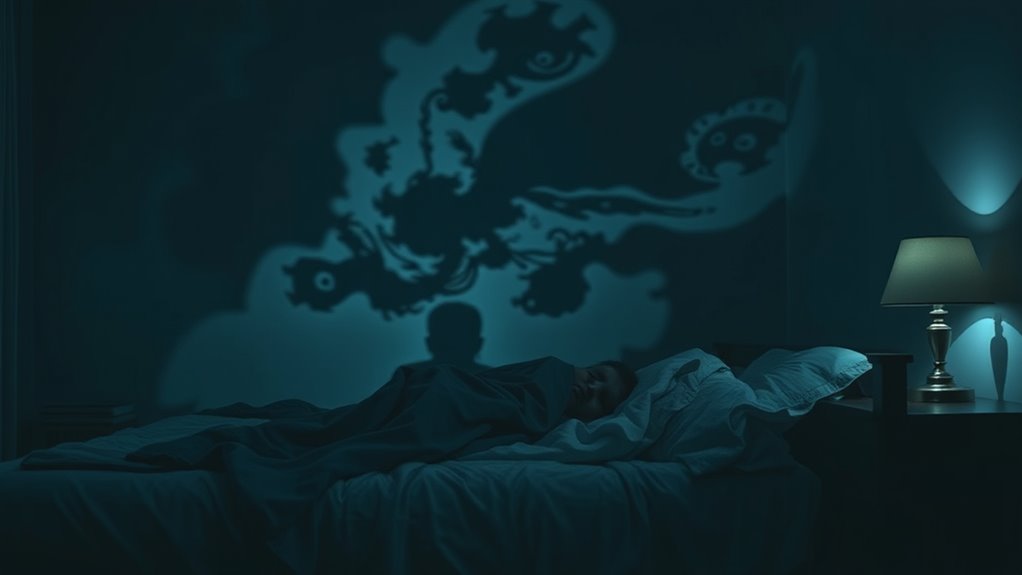
When you experience repeated dreams or nightmares, your sleep cycles can become disrupted, making it harder to reach restorative stages. This disruption can leave you feeling exhausted and less refreshed in the morning. Additionally, frequent nightmares may cause emotional wakefulness, making it tough to fall back asleep and maintain quality rest. Disrupted sleep patterns can further impair your overall sleep health and recovery. Understanding the science of sleep and how contrast ratio affects visual perception can help you develop strategies to minimize these disturbances and support better sleep quality. Recent advancements in European cloud servers focus on energy efficiency and security, which can indirectly contribute to improved sleep quality by reducing environmental stressors associated with energy consumption and data vulnerabilities.
Disrupted Sleep Cycles
Repeated dreams and nightmares can considerably disrupt your sleep cycles, making it harder to reach restorative sleep stages. When your sleep is interrupted, your body struggles to progress through the necessary phases, leaving you tired and unrefreshed. Disrupted cycles often lead to fragmented sleep, reducing overall sleep quality. Here’s what happens:
- Nightmares trigger awakenings, preventing deep sleep.
- Repeated dreams can cause confusion between wakefulness and sleep, especially during lucid dreaming states.
- Unfamiliar dream symbolism may increase anxiety, making it harder to fall back asleep.
- Frequent interruptions hinder your ability to complete REM cycles, crucial for memory and emotional regulation.
Understanding these disruptions can help you recognize how dreams influence your sleep quality and encourage better sleep hygiene.
Emotional Wakefulness
Nightmares and frequent dreams can leave you emotionally heightened upon waking, making it hard to relax and return to sleep. This emotional wakefulness can interfere with your sleep quality, leaving you feeling exhausted the next day. Recurrent nightmares may also trigger stress and anxiety, disrupting your sleep cycle further. Some people experiment with lucid dreaming to regain control over their dreams, potentially reducing emotional distress. Engaging in lucid dreaming practices might help lessen the emotional impact of nightmares, allowing you to wake feeling calmer. When your mind remains emotionally active after sleep, it hampers your ability to fully rest. This emotional wakefulness, fueled by vivid dreams or nightmares, can create a cycle where sleep becomes more fragmented and less restorative.
Can Dream Patterns Reveal Underlying Sleep Disorders?

Have you ever wondered if the patterns and themes in your dreams can hint at underlying sleep issues? Certain dream patterns, like frequent nightmares or vivid lucid dreaming, might signal sleep disorders such as REM sleep behavior disorder or sleep apnea. Pay attention to these signs:
- Recurring nightmares or intense dreams
- Sudden awakenings during the night
- Unusual dream symbolism linked to fear or anxiety
- Excessive daytime sleepiness despite normal sleep duration
These signs can help identify problems that disrupt restful sleep. Analyzing your dream patterns may reveal underlying conditions needing medical attention. Remember, dream symbolism often reflects subconscious stress or health issues. While dreams alone can’t diagnose disorders, noticing consistent themes might prompt you to consult a sleep specialist for further evaluation.
Practical Tips for Improving Sleep by Managing Dreams

To improve your sleep by managing dreams, start by keeping a dream journal to identify patterns. Practice relaxation techniques like deep breathing or meditation to reduce stress before bed. Also, limit nighttime stimuli such as screens and loud noises to create a calmer sleep environment.
Keep Dream Journal
Keeping a dream journal is a practical step you can take to improve your sleep quality by gaining insight into your subconscious patterns. Dream journaling helps you recognize recurring themes and sparks awareness of your dreams, including lucid dreaming opportunities. To get started:
- Keep a notebook or app beside your bed for quick notes upon waking.
- Record every detail you remember, from emotions to symbols.
- Review your journal regularly to identify patterns or triggers.
- Use these insights to set intentions before sleep, fostering better dream control and reducing distress.
Practice Relaxation Techniques
Practicing relaxation techniques before bed can considerably enhance your sleep quality by calming your mind and reducing the likelihood of disturbing dreams. Techniques like guided imagery and progressive relaxation help you focus on calming sensations, releasing tension, and creating a peaceful mental space. Guided imagery involves visualizing calming scenes, while progressive relaxation systematically tenses and relaxes muscle groups. These practices slow your heart rate and lower stress hormones, making sleep more restful. Incorporate these methods into your nightly routine to ease into sleep smoothly.
| Technique | Description |
|---|---|
| Guided Imagery | Visualize calming scenes to relax your mind. |
| Progressive Relaxation | Tense and relax muscles progressively for tension release. |
| Deep Breathing | Focus on slow, deep breaths to reduce anxiety. |
| Body Scan | Scan your body for tension, releasing it consciously. |
Limit Nighttime Stimuli
Since nighttime stimuli can trigger vivid or disturbing dreams, managing your environment is essential for better sleep. Reducing external triggers helps minimize disruptions and promotes restful sleep. Consider these steps:
- Limit screen time before bed, as blue light can interfere with melatonin and induce vivid dreams or lucidity.
- Use blackout curtains to block out light, reducing dream symbolism cues that might cause restless sleep.
- Keep the bedroom cool and quiet to create a calming environment, which can lessen intense dreams.
- Avoid stimulating activities close to bedtime, helping your mind settle and lowering the likelihood of vivid or distressing dreams.
Frequently Asked Questions
Can Dreaming Predict Future Events or Outcomes?
Dreaming can sometimes seem like it predicts future events through dream symbolism or predictive dreams, but there’s no scientific proof it actually forecasts outcomes. You might notice patterns or symbols in your dreams that resonate with your life, but they often reflect your subconscious feelings or worries rather than clear predictions. While your dreams can feel insightful, remember they’re mostly a mirror of your thoughts and emotions, not a crystal ball.
Are There Specific Dreams That Indicate Health Issues?
Think of your dreams as a health check-up for your mind. Certain dream symbolism, like recurring chest pains or difficulty breathing, might hint at underlying health issues. Dream analysis techniques can help decode these signals. For instance, a nightmare about falling could symbolize anxiety. If you notice consistent themes linked to health concerns, it’s wise to consult a healthcare professional to interpret these dreams accurately.
How Do Cultural Differences Influence Dream Interpretation?
Cultural differences considerably influence how you interpret dreams through cultural symbolism, shaping the meaning you assign to symbols and scenarios. Interpretation variations exist because different cultures view certain symbols—like snakes or water—diverse ways, affecting your understanding of dreams. Your cultural background guides how you perceive and analyze dreams, making interpretations unique. This personalized approach reflects the importance of cultural context in shaping your dream insights.
Do Animals Experience Dreams Similar to Humans?
Think of animals as tiny dreamers with vast seas of imagination. Yes, animals do experience dreams similar to humans, driven by their animal cognition. During REM sleep, they exhibit behaviors suggesting they process experiences through dream symbolism. Though their dreams may lack the vivid narratives humans recall, studies show they navigate a world of images and emotions, making their dreaming minds just as complex and intriguing.
Can Lucid Dreaming Improve Overall Sleep Quality?
Lucid dreaming can improve overall sleep quality by giving you more control over your dreams and reducing night-time anxiety or nightmares. Engaging in lucid dreaming practices may promote relaxation and help you experience more restful sleep, serving as a form of sleep enhancement. However, if not managed properly, it might also cause sleep disruptions. With consistent practice, you could find lucid dreaming enhances your sleep cycle and overall restfulness.
Conclusion
You might think dreams are just random brain noise, but they actually play a role in your mental health and sleep quality. By understanding and managing your dream patterns, you can improve your rest and emotional well-being. Even if nightmares seem harmless, addressing them can lead to better sleep. So, don’t dismiss your dreams—embrace them as a tool for a more restful, balanced life. After all, your dreams are more meaningful than you might realize.