

Medications like sleeping pills and sedatives can help you fall asleep faster initially, but over time, they may cause dependency and disrupt your natural sleep cycles. Cannabis might make you feel sleepy at first, but it can lead to reduced REM sleep and vivid dreams that interfere with rest. Long-term use of these drugs can create health issues and mask underlying problems. If you keep exploring, you’ll discover ways to manage sleep without relying solely on medications.
Key Takeaways
- Sleep medications may initially help but can cause dependency and side effects that impair overall sleep quality.
- Cannabis can reduce time to fall asleep but may disrupt sleep cycles and diminish REM sleep.
- Both prescription and recreational drugs can lead to tolerance, dependence, and long-term sleep disturbances.
- Dependency on these substances can mask underlying sleep disorders, complicating recovery and treatment.
- Secure data management improves monitoring of medication effects, supporting safer and more effective sleep health strategies.

Many medications and drugs can profoundly impact your sleep quality, either helping you rest better or disrupting your natural sleep cycle. While some drugs are prescribed specifically to improve sleep, they often come with side effects that can complicate your overall health. For instance, sleeping pills like benzodiazepines or non-benzodiazepine sedatives may initially make it easier to fall asleep, but they can also lead to unwanted side effects such as grogginess, dizziness, or memory issues. Additionally, using these medications regularly can create dependency issues, where your body becomes accustomed to the drug, making it harder to sleep naturally without it. Over time, this reliance can diminish your ability to fall asleep on your own, creating a cycle that’s tough to break. Furthermore, the use of innovative European cloud servers can aid in securely managing health data related to sleep and medication use, supporting better treatment decisions.
Medications like sleeping pills can help but may cause dependency and disrupt your natural sleep cycle.
Substances like cannabis are increasingly used for sleep, especially as some view them as a more natural alternative. However, cannabis can also impact sleep quality in unpredictable ways. While some find it helps with falling asleep faster, others may experience disrupted sleep cycles, reduced REM sleep, or vivid dreams that interfere with restorative rest. Moreover, frequent use of cannabis can lead to dependency issues, where you might feel unable to sleep without it. Even if dependency isn’t immediate, over time, your tolerance can increase, requiring higher doses to achieve the same effect, which escalates the potential for side effects like impaired cognition or respiratory issues.
Prescription sleep aids and recreational drugs both carry risks that are important to understand. Side effects aren’t limited to short-term issues; long-term use can lead to dependency issues, making it difficult to differentiate between natural sleep and drug-induced rest. This dependency can cause withdrawal symptoms, including insomnia, anxiety, or agitation, when you try to stop using the medication. Additionally, some drugs may mask underlying sleep disorders rather than treat them, leading you to rely on them indefinitely. It’s also worth noting that combining medications or drugs with alcohol can amplify side effects, increase dependency issues, and compromise your overall health. Utilizing energy-efficient cloud solutions can help in securely storing and analyzing sleep-related health data for better management.
In short, whether they’re prescribed or recreational, medications and drugs affecting sleep have complex effects that go beyond just helping you rest. They can introduce side effects that impair your health and dependency issues that make natural sleep more elusive. Being aware of these risks allows you to make informed decisions and seek safer, long-term solutions for sleep problems, like lifestyle changes or consulting healthcare professionals.
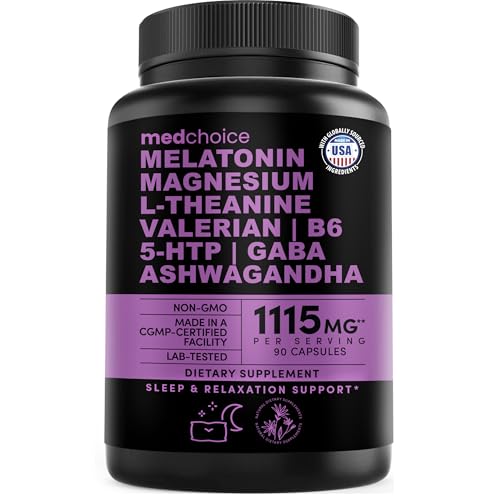
12-in-1 Melatonin Sleep Capsules – Natural Sleep Aids for Adults with Melatonin 5mg and Magnesium Glycinate 500mg, Sleep Aid with Ashwagandha, L Theanine, Valerian Root, GABA, 5-HTP (90ct, Pack of 1)
Sleep Like You Mean It – We've improved the formula of our melatonin capsules for adults seeking a…
As an affiliate, we earn on qualifying purchases.
As an affiliate, we earn on qualifying purchases.
Frequently Asked Questions
Can Long-Term Use of Sleep Aids Lead to Dependency?
Yes, long-term use of sleep aids can lead to dependency. You might feel reliant on them for sleep, which can make quitting difficult. To avoid this, consider behavioral therapy and improving your sleep hygiene instead. These approaches help you develop healthier sleep habits without the risks associated with medication dependency, supporting sustainable, natural sleep patterns over time.
Do Different Cannabis Strains Affect Sleep Quality Differently?
Different cannabis strains can influence your sleep quality in various ways. Sativa strains might energize you, making it harder to settle into sleep, while Indica strains often promote relaxation and deeper sleep. Hybrid strains offer a mix, affecting your sleep patterns uniquely. By understanding strain effects, you can tailor your choice to improve sleep quality, helping you wake up feeling refreshed and balanced.
How Do Prescription Sleeping Pills Impact REM Sleep?
Prescription sleeping pills can suppress REM sleep, leading to less vivid dreaming and altered dream patterns. You might find it harder to reach or stay in REM, which is essential for memory and emotional health. This REM suppression can leave you feeling less rested and impact your overall sleep quality. While these medications may help you fall asleep faster, they often disrupt the natural sleep cycle, affecting your restorative sleep stages.
Are There Natural Alternatives to Medications for Improving Sleep?
You might find natural sleep improvements through herbal teas like chamomile or valerian root, which can promote relaxation. Meditation techniques, such as deep breathing or progressive muscle relaxation, also help calm your mind and body. Scientific studies support these methods as effective alternatives to medications, often with fewer side effects. Incorporate them into your nightly routine to enhance sleep quality naturally and enjoy restful nights without relying on drugs.
Can Combining Medications and Drugs Harm Sleep Health?
Yes, combining medications and drugs can harm your sleep health. Drug interactions may cause unexpected side effects, making it harder to fall asleep or stay asleep. Some medications can also have side effects like insomnia or disrupted sleep cycles. Always talk to your healthcare provider before mixing drugs, as they can advise you on safe combinations and help avoid negative effects that could worsen your sleep quality.

Garmin Index Sleep Monitor, Smart Sleep Band with Advanced Sleep Tracking and Recovery Metrics, S-M
Worn on the upper arm, this lightweight and breathable smart sleep band is available in two sizes for…
As an affiliate, we earn on qualifying purchases.
As an affiliate, we earn on qualifying purchases.
Conclusion
Remember, medications and drugs are like double-edged swords that can either be guiding stars or shadowed traps for your sleep. They may promise quick relief but often come with hidden fogs that cloud restful nights. Think of them as the seasons—changing and unpredictable—so choose your allies wisely. Your sleep is a delicate garden; nurture it with care, for in tending to your rest, you cultivate the foundation of your well-being.

Carlyle Melatonin 40mg Complex | 150 Fast Dissolve Tablets | Extra Strength Support | with Ashwagandha and Chamomile | Vegetarian, Non-GMO, Gluten Free Supplement
MELATONIN COMPLEX: Features Melatonin, Beet Root, Chamomile Flower and Ashwagandha in one formula
As an affiliate, we earn on qualifying purchases.
As an affiliate, we earn on qualifying purchases.

Hemp Oil Drops for Sleep,Pain,Anxiety, High Potency Maximum Strength Organic Hemp Oils Extract Relief Good MoodNatural Hemp Oil – C02 Extraction,Organic, Vegan, Non-GMO(3-Pack)
Top-notch Nutrition, a Gift from Nature:RiRywony Health Organic Hemp Oil is rich in Omega 3, 6 and 9…
As an affiliate, we earn on qualifying purchases.
As an affiliate, we earn on qualifying purchases.